Dakar · 28 September 2026
Being Ethiopian in Dakar: Places, Holidays and Food
Living in Dakar when you come from Ethiopia: where to find the food, coffee and holidays of home, and how ge'eza brings Ethiopians living in Dakar and Dakarois around the same table.
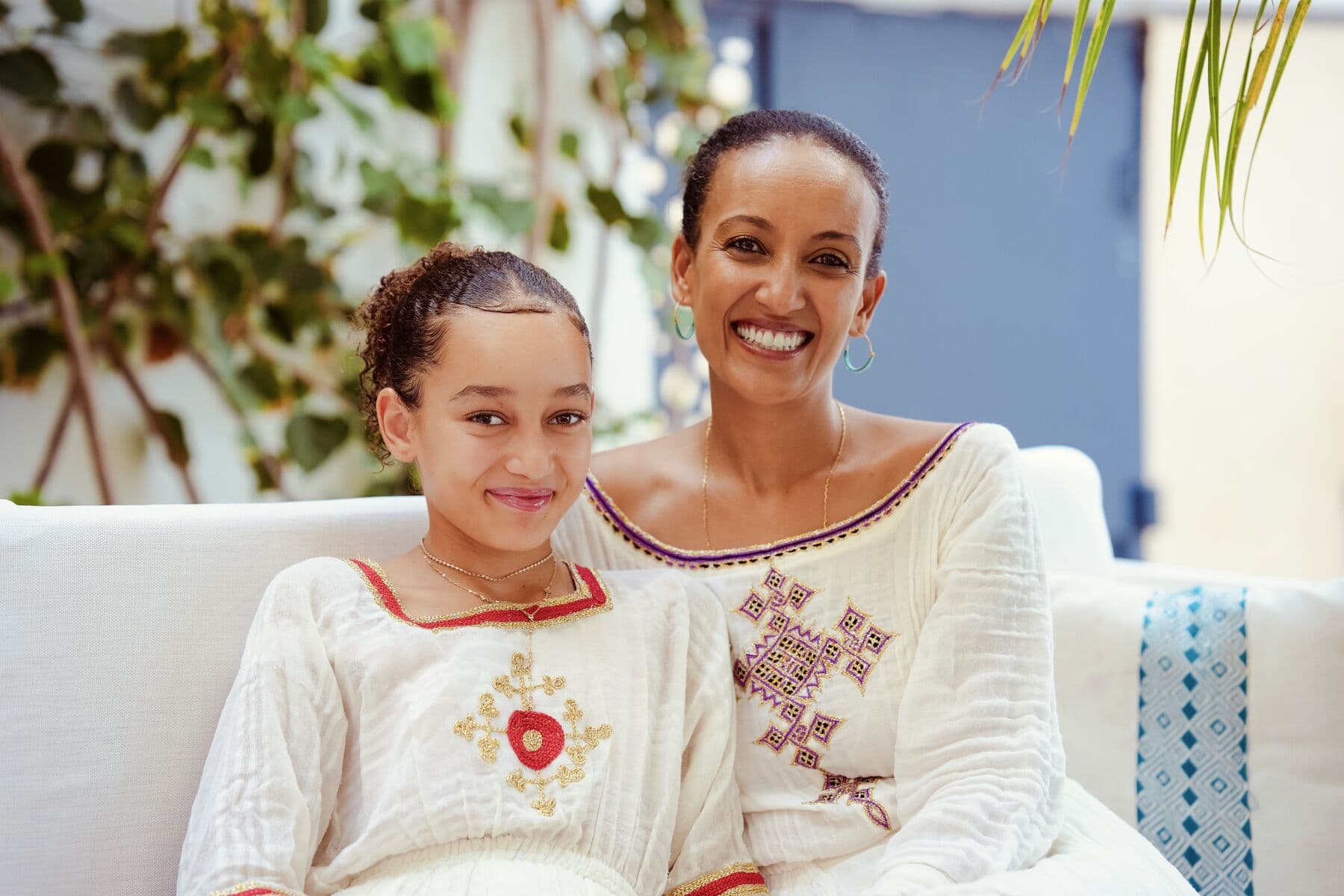
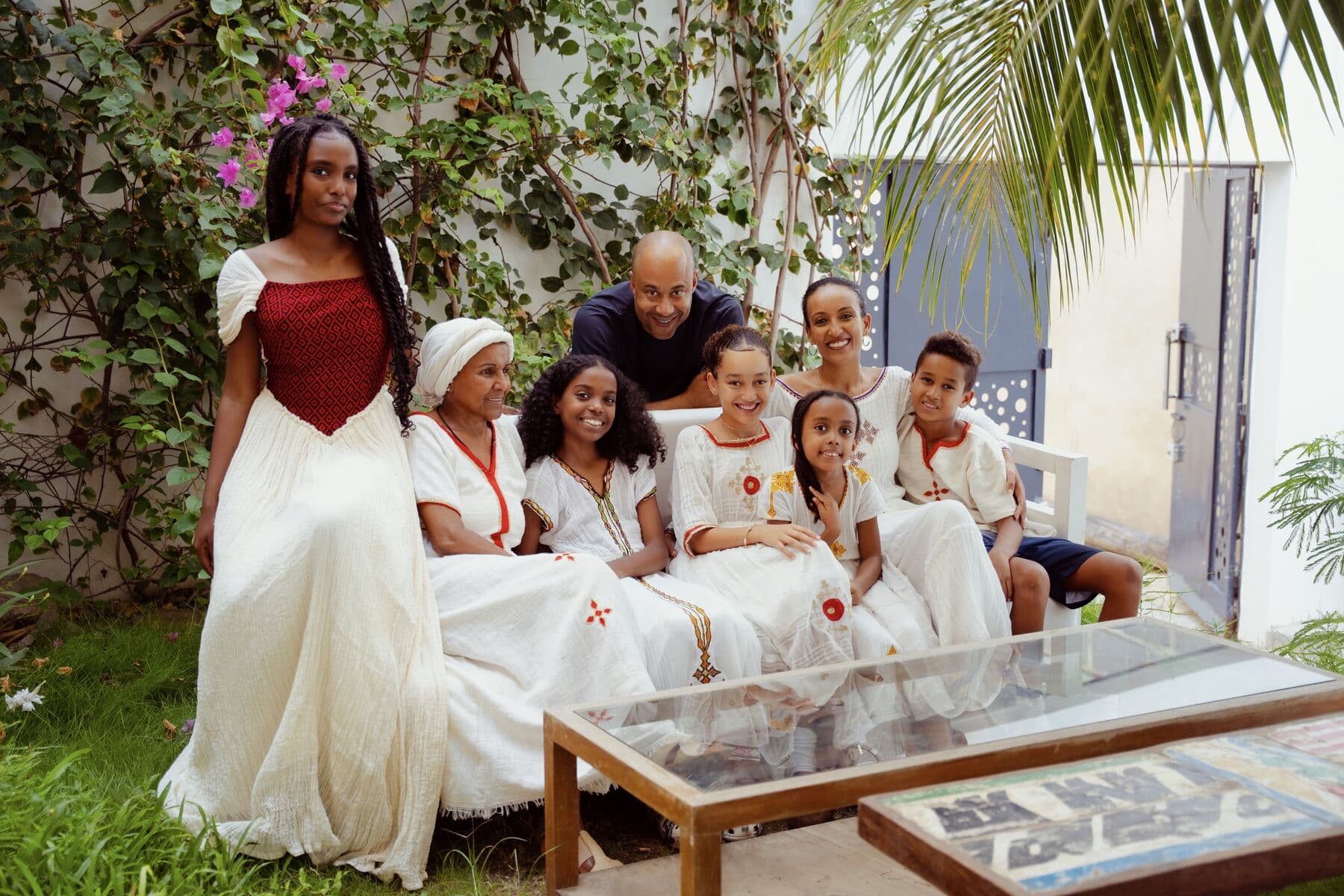
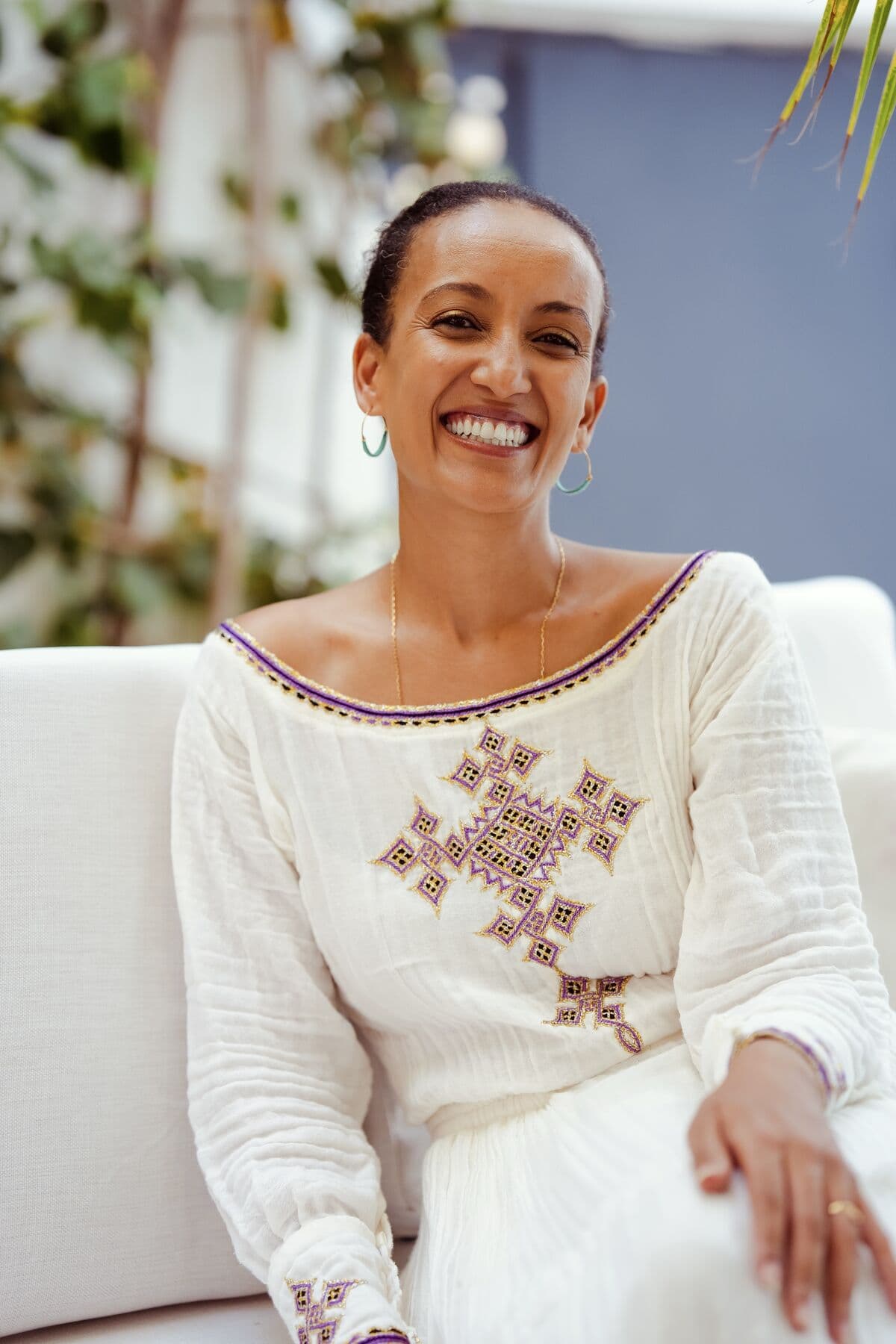
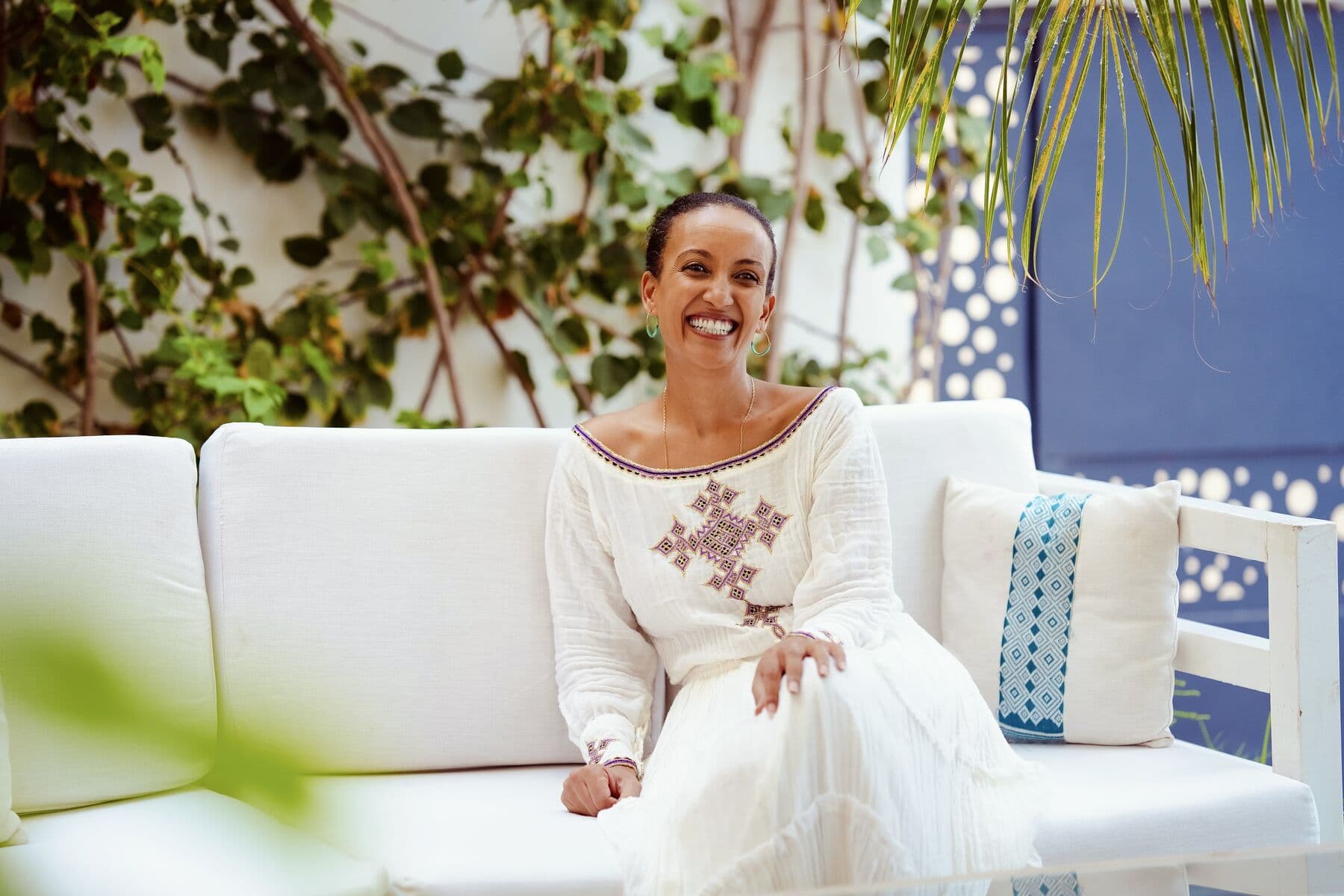
Being Ethiopian in Dakar means living far from a country deeply attached to its food, its coffee, its holidays and its calendar, in a city with its own culture of welcome, teranga. Landmarks are found mostly in the places that keep these traditions alive: an Ethiopian table, a coffee ceremony, a shared celebration. ge'eza, in Point E, is one example, founded by Maraki Germa Bekele, who is Ethiopian.
A discreet presence
We do not publish figures on the Ethiopian community in Dakar: we have no reliable ones, and it is better to say nothing than to be wrong. What we can say is that it is made up of varied profiles: diplomats and staff of international organisations, students, entrepreneurs, families settled for a long time or recently, artists.
This presence shows more in shared moments than in statistics: a Sunday lunch, a religious holiday, a conversation in Amharic over coffee.
What is missed most, and how to find it again
For many people far from home, it is first the flavours and rituals that are missed:
- Injera, the fermented bread served with stews, which is also how people eat together;
- Coffee, prepared in the three-round ceremony, Abol, Tona, Baraka;
- Festive dishes, such as doro wot;
- The landmarks of the calendar, with its own holidays and its own New Year date, explained in our article on the Ethiopian calendar.
Finding these in Dakar is not always easy. That is what makes the places that offer them valuable.
Holidays, high points of the community
The holidays follow the Ethiopian calendar: Enkutatash (New Year), Meskel on 27 September, Genna on 7 January, Timkat on 19 January. They are lived with family, at church and at the table. In Dakar they are marked in small groups. We present them in our articles on Meskel and on Genna and Timkat.
And the ties with Senegal
The two countries share a history, covered in our article on the historic ties between Ethiopia and Senegal. Day to day, these ties can be read at the table: an Ethiopian dish alongside a thiéboudienne, an Ethiopian coffee after an attaya. Each cuisine has its own generosity, and the two answer each other.
What ge'eza offers
ge'eza is an Ethiopian restaurant, an art gallery, a concept store and an events venue, in a villa with a garden and terrace at 656 avenue Birago Diop in Point E. Ethiopian breakfast (foul, chechebsa, genfo, enqulal tibs) is served from 8am to 11am. The rest of the day, the menu offers vegan fasting dishes, doro wot, tibs, tej and birz. From Tuesday to Friday, a Senegalese dish of the day links it with local cooking.
The coffee ceremony, about 45 minutes, is booked in advance. The gallery shows artists from East and West Africa, and the villa hosts openings, brunches, workshops and evenings. The idea: for the place to serve both as a landmark for those who come from Ethiopia and as a gateway for those discovering it.
For curious Dakarois
You do not need to be Ethiopian to feel welcome. The simplest is to start with a beyaynetu, the platter of seven vegan fasting dishes, for 1, 2 or 3 people, and finish with a coffee. Our article on the coffee ceremony as a language of hospitality explains the ritual.
The house is open Tuesday to Sunday, 8am to 10pm, and closed on Mondays. Phone and WhatsApp: +221 78 660 07 07. You can also book online or read the about page.
Getting together: a few practical pointers
For a newly arrived Ethiopian, the first weeks are often spent finding one's feet: neighbourhood, school, market, and a place where one's language is spoken. A few general tips, valid in any foreign city:
- Look for places that keep the home culture alive: a restaurant, a café, a cultural centre.
- Stay close to the holidays: they bring people together more than any announcement.
- Share the cooking: inviting Senegalese neighbours to try injera is a good start, and the reverse works too with a thiéboudienne or a mafé.
- Learn teranga: Senegalese codes of greeting and welcome, which are strongly marked, make settling in easier.
We do not publish a directory of associations or contacts: we know of no reliable list to cite here.
A Sunday in Point E
Point E is a quiet residential neighbourhood in central Dakar, where it is easy to walk from one address to another. It is a pleasant setting for a long family lunch: people come to eat, to see an exhibition, to take time over a coffee. The ge'eza villa, with its garden and terrace, suits this pace. You can come with family, children, friends or colleagues.
Two cuisines, two ways of welcoming
Ethiopian hospitality and Senegalese teranga resemble each other more than one might expect: the guest is welcomed before being asked what they want, offered food, urged to stay. The gursha, the Ethiopian gesture of offering a mouthful from your own hand to someone close, has its counterpart in the Senegalese shared bowl, where the best pieces are pushed towards your neighbour. These similarities help build bridges without erasing differences.
Frequently asked questions
Is there an Ethiopian community in Dakar?
Yes, made up of varied profiles. We do not publish figures, for lack of reliable data.
Where can I eat Ethiopian food in Dakar?
At ge'eza, in Point E, Tuesday to Sunday, 8am to 10pm. Ethiopian breakfast is served from 8am to 11am.
Can an Ethiopian celebration be organised at ge'eza?
The villa can be booked out for lunches, dinners and receptions. Write to the team with the date and format.
Do I need to be Ethiopian to come?
No. The place welcomes Ethiopians living in Dakar as well as Dakarois and visitors passing through.