Event · 28 September 2026
Meskel, the Ethiopian Festival of the Cross: Meaning and Rites
Meskel, an Ethiopian festival held on 27 September and inscribed by UNESCO: what it commemorates, the Demera bonfire, traditions around the table, and how to mark it in Dakar.
Meskel is one of the great festivals of the Ethiopian Orthodox Church. Celebrated on 27 September (28 September in the year following a leap year of the Ethiopian calendar), it commemorates the finding of the True Cross. Its best-known rite, the lighting of the Demera, a large bonfire, was inscribed on UNESCO's intangible cultural heritage list in 2013. You can mark it in Dakar around an Ethiopian meal.
What Meskel commemorates
The word "meskel" means "cross" in Geez and Amharic. The festival commemorates, according to Christian tradition, the discovery of the cross on which Christ is said to have been crucified, attributed to Empress Helena. In Ethiopia the cross holds a central place in religious life and in art, where crosses take a great variety of forms.
The Demera, the great bonfire
On the eve of the festival, the community gathers around the Demera, a large pile of branches topped with a cross and decorated with flowers. The pyre is lit in the evening after songs and prayers. The direction in which the structure falls is, in some local traditions, read symbolically. In Addis Ababa, celebrations are held in Meskel Square, with a large gathering.
Rites vary between regions and communities, and we stick to the broad outlines here.
A festival at the end of the rains
Meskel comes at the end of the rainy season, shortly after Ethiopian New Year, Enkutatash. The landscape is green and seasonal flowers are in full bloom. It is associated with renewal, which explains the joyful tone of the festival. To understand the link with the calendar, see our article on the Ethiopian calendar.
At the table
As with most Ethiopian holidays, the meal is central: injera is shared, with meat or fasting dishes depending on the family, along with coffee. We do not claim to describe a single Meskel menu, which varies between households and regions. At ge'eza, the menu includes doro wot, a festive dish, along with beyaynetu, tibs and tej. The coffee ceremony is at the heart of the welcome.
Marking Meskel in Dakar
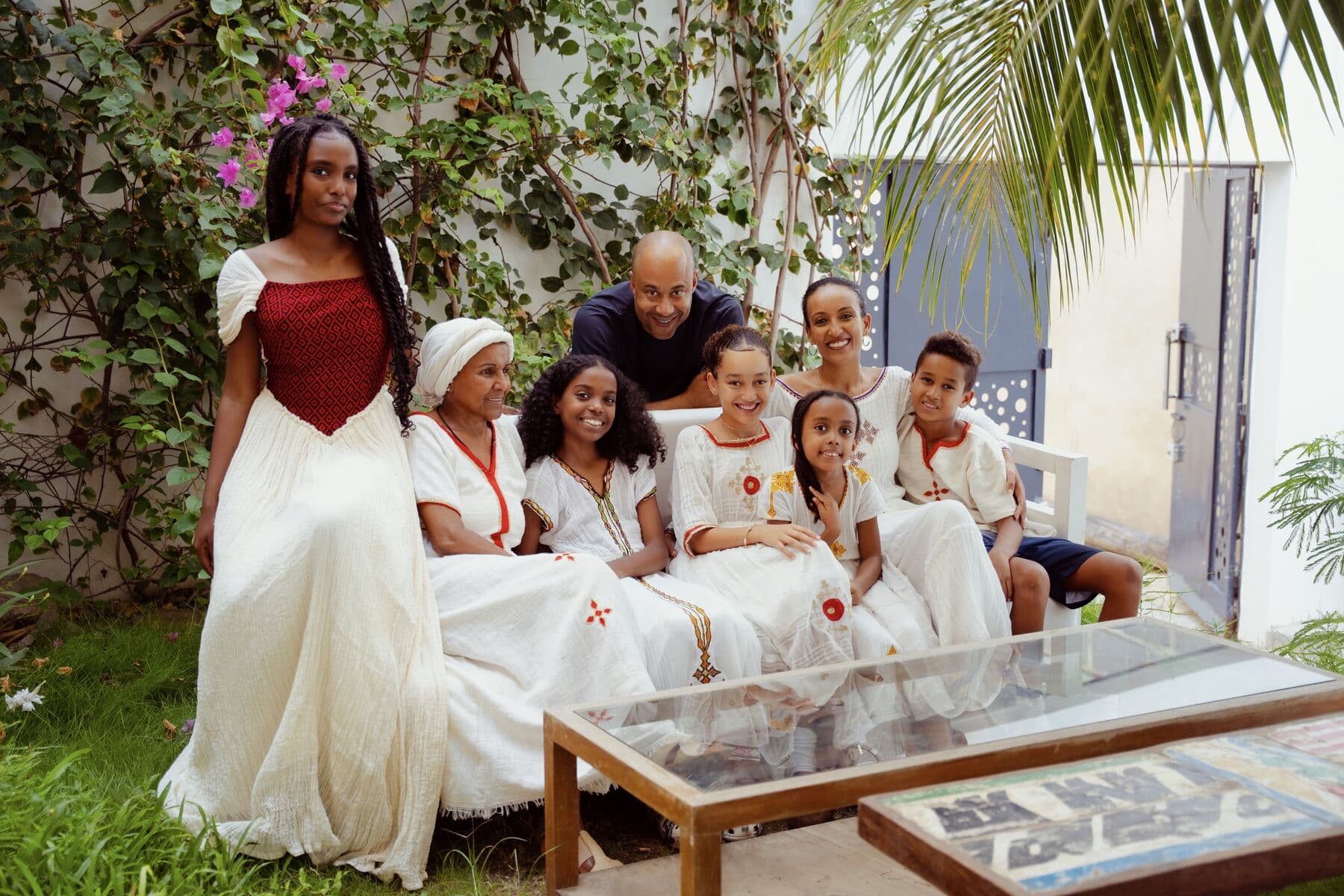
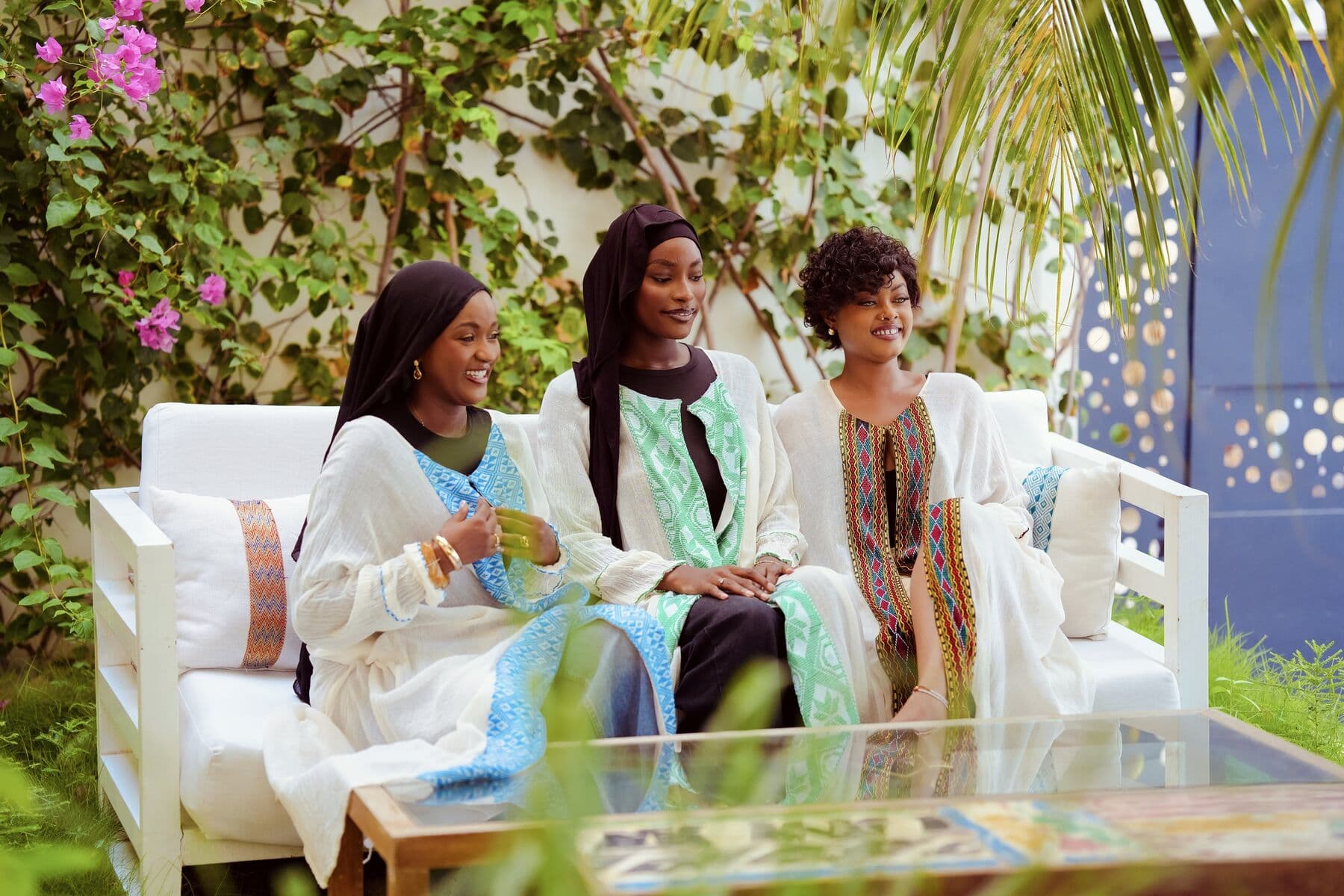
In Dakar, there is no large public Demera as in Addis Ababa. But you can mark the festival with family or friends: an Ethiopian lunch or dinner, a coffee, time to talk about the tradition. For Ethiopians living in Dakar, as for the curious, it is an occasion to get together, a subject we cover in our article on the Ethiopian community in Dakar.
ge'eza is at 656 avenue Birago Diop in Point E, and hosts private events in the villa. We do not publish a programme or dates of upcoming events here: to organise a celebration, write to +221 78 660 07 07 on WhatsApp or check the events page. The house is open Tuesday to Sunday, 8am to 10pm. You can also book a table.
One festival, two worlds
Meskel shows what is distinctive about Ethiopian culture: a calendar of its own, rites that combine fire, song and prayer, and a relationship to the table where everything is shared. Sharing this in Dakar also opens a dialogue with Senegalese culture, which has its own teranga.
Symbols worth knowing
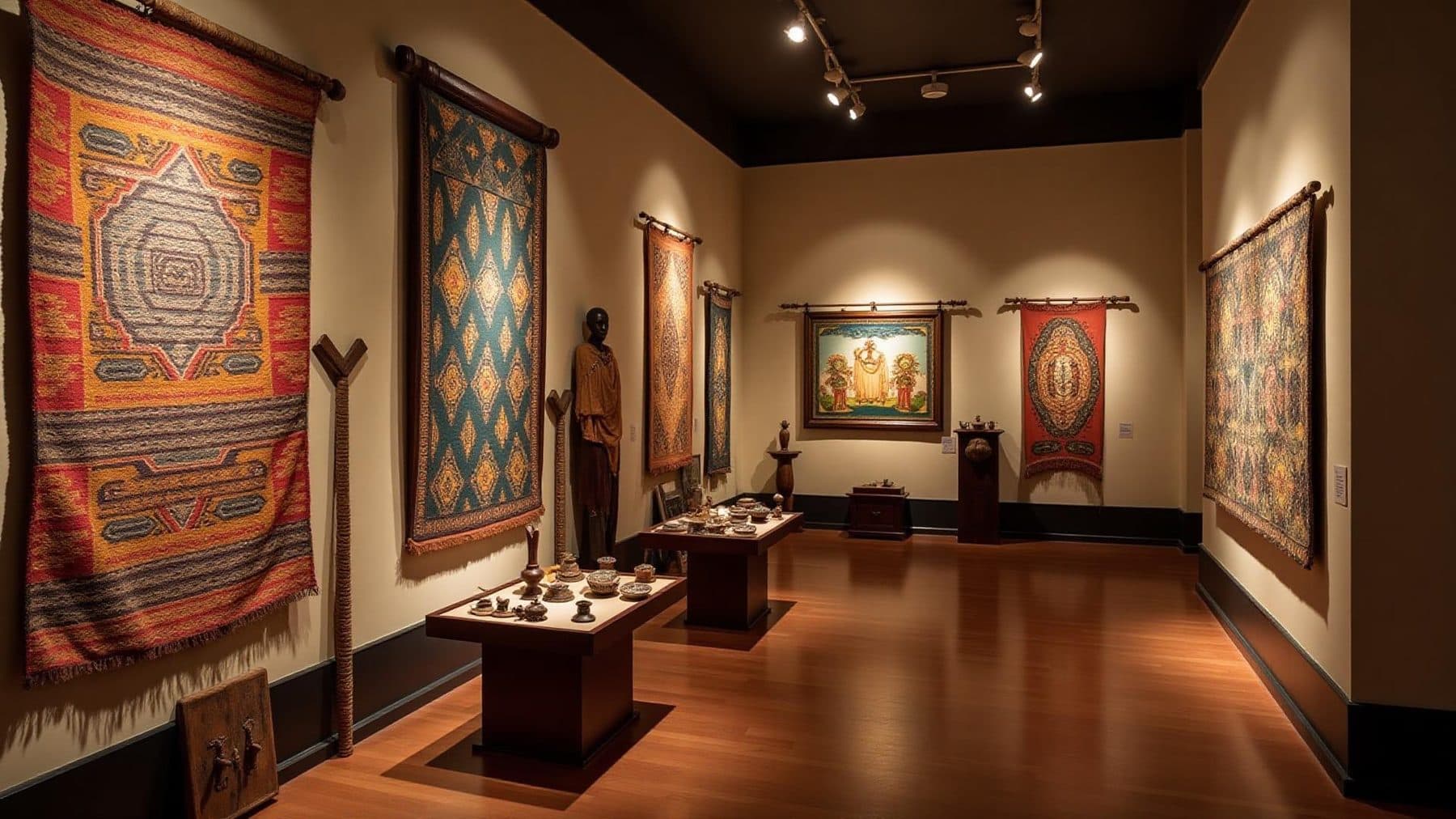
The cross is everywhere at Meskel. Ethiopian crosses, in wood, metal or stone, are worked with interlaced patterns that vary from one region to another: they almost never look alike. Worshippers often wear a cross around the neck, and priests carry large processional crosses during the celebrations. The yellow flowers of the season, often called adey abeba, decorate homes and the Demera.
Fire has a meaning of its own: in the traditional account, it recalls the signals lit to find the cross. We do not detail the local variants of this account, which is passed on orally and differs between churches.
How the festival unfolds, in short
To get your bearings, remember three stages:
- Preparation: branches are gathered, the Demera is assembled and decorated with flowers and sometimes strips of cloth.
- The vigil: songs, prayers, a procession, then the lighting of the bonfire at nightfall.
- The day itself: church service, visits to relatives, a shared meal and coffee.
This structure appears in many families, even when the festival is lived far from the country.
Building a Meskel meal in Dakar
If you want to mark the festival without knowing the customs of your Ethiopian family or friends, a simple meal is enough. One example, based on the ge'eza menu:
- a beyaynetu to share seven vegan fasting dishes (7,000 F for one person);
- a doro wot (8,000 F), chicken slow-cooked in clarified butter, served with a hard-boiled egg;
- tibs or a tibs firfir for those who like sautéed meat;
- tej (3,500 F), honey wine, or birz (2,000 F), alcohol-free honey water;
- to finish, the full coffee ceremony (5,000 F), with incense and dabo.
Kitfo, the Ethiopian tartare, must be ordered 24 hours ahead. Since the fasting dishes are fully vegan, they suit guests who avoid animal products.
Inviting non-Ethiopian friends
Meskel is a good occasion to explain Ethiopian culture to friends or colleagues. A few simple ideas: tell the legend of the cross, show how to tear injera with the right hand, offer a first cup of Abol. You can also use the moment to talk about the Ethiopian calendar, whose year does not begin on 1 January. All of it fits into an hour or two around a table, with no special preparation.
Frequently asked questions
When is Meskel?
On 27 September (28 September in the year following a leap year of the Ethiopian calendar).
What does Meskel mean?
"Cross". The festival commemorates the finding of the True Cross according to Christian tradition.
Is Meskel recognised by UNESCO?
Yes, the celebration was inscribed in 2013 on the intangible cultural heritage list.
Can I celebrate Meskel in Dakar?
Yes, around an Ethiopian meal and a coffee. Contact ge'eza to organise a gathering or lunch.