
Dakar · 22 October 2026
Ethiopia and Senegal Cultural Exchange Today
What connects Ethiopia and Senegal today: shared food, the coffee ceremony, contemporary art from East and West Africa, and an Ethiopian diaspora settled in Dakar. A contemporary angle, told in the present tense.
Today, Ethiopia and Senegal meet in Dakar through food, coffee, contemporary art and an Ethiopian diaspora settled in the city, well beyond the historic ties that have linked the two countries since independence. This contemporary dialogue plays out very concretely in Point E, where a house like Ge'eza brings Ethiopian and Senegalese traditions together under one roof.
A cuisine that has travelled to Dakar
Injera, Ethiopia's fermented bread, and the dishes served with it, are now found in Dakar's Ethiopian restaurants, alongside the Senegalese cooking the city has always known. At Ge'eza, the two traditions sit side by side in practice: a Senegalese dish of the day on certain afternoons, an Ethiopian menu the rest of the time, and vegan fasting dishes drawn from the Ethiopian Lent calendar, which find an audience well beyond the Ethiopian community alone.
The coffee ceremony, a bridge between two coffee traditions
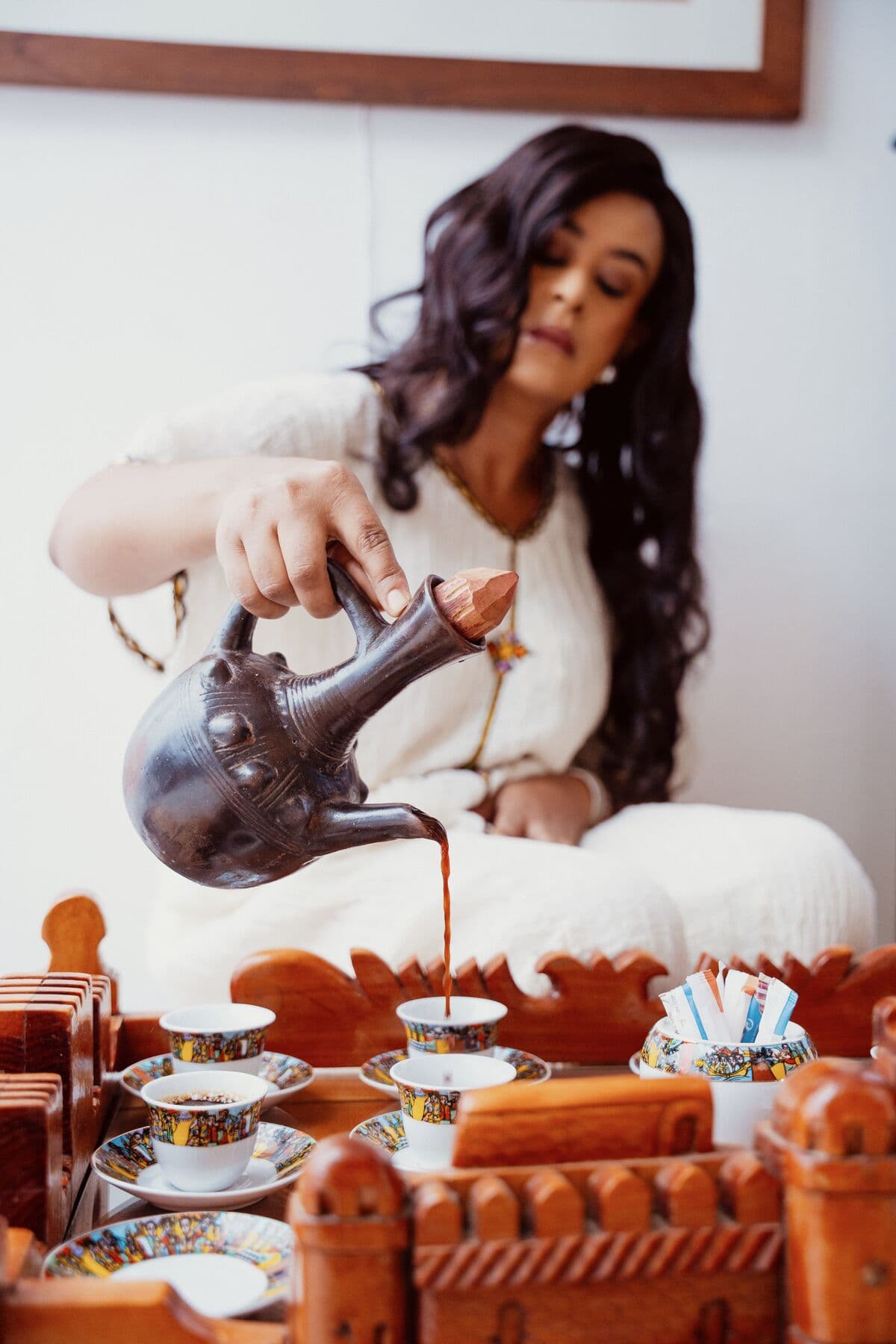
Ethiopia is recognised as coffee's country of origin, and its coffee ceremony, a multi step ritual of hospitality, is now practised in Dakar at places like Ge'eza. Senegal, for its part, has its own coffee and attaya culture, served alongside a shared meal. The two traditions do not merge into one, but they meet around the same gesture: taking the time to prepare and share a drink with guests.
Contemporary art, from one region to the other
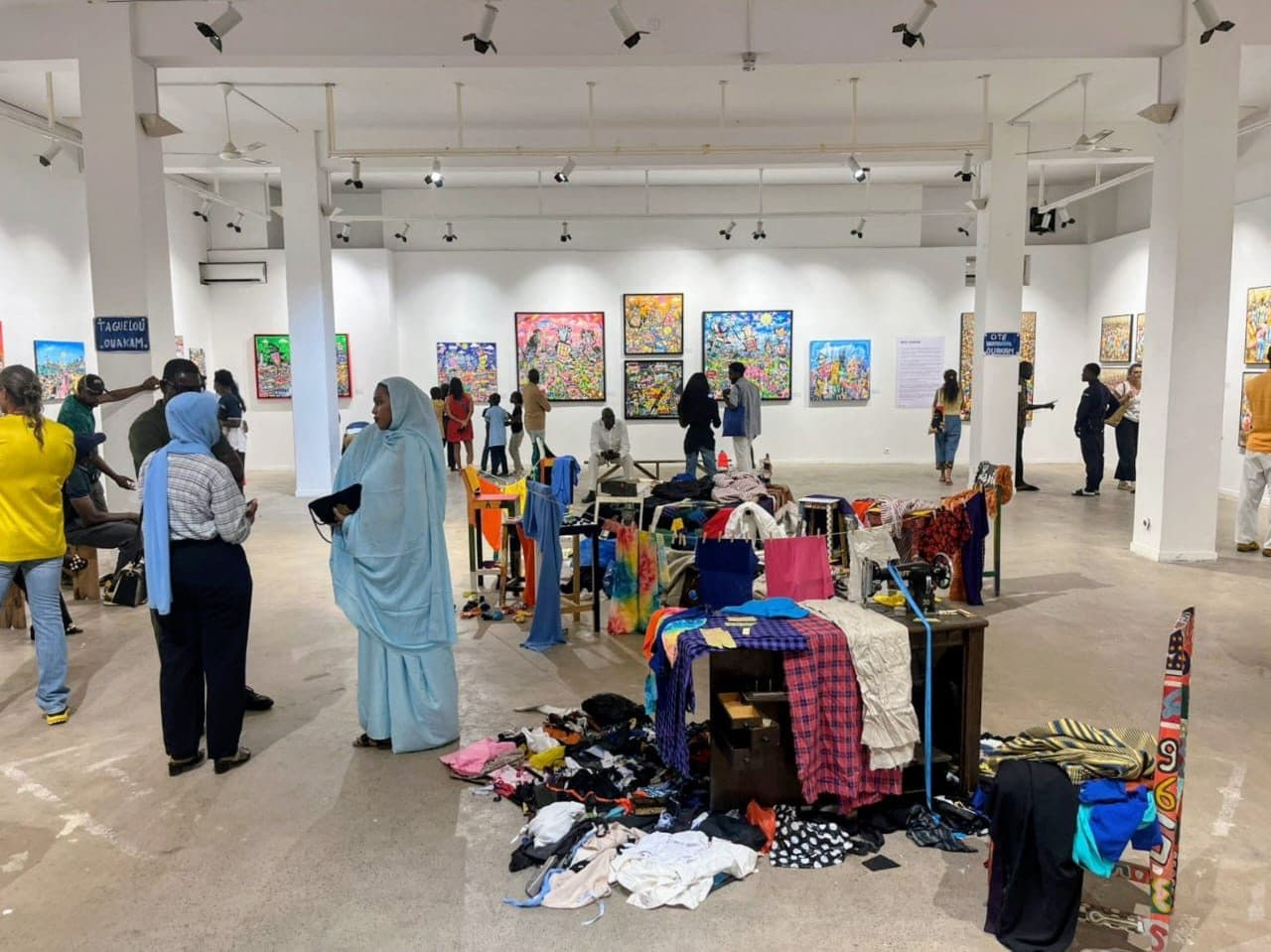
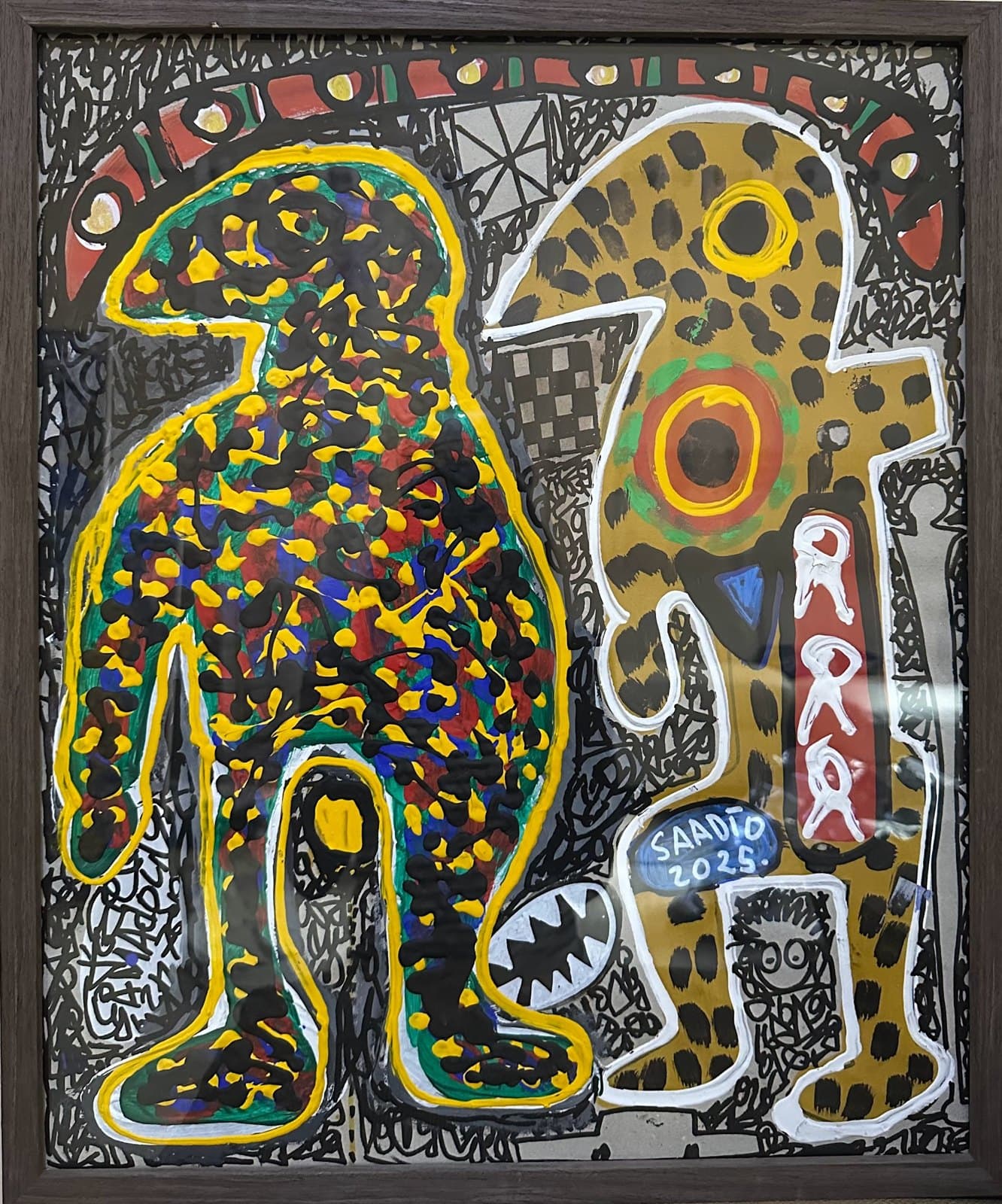
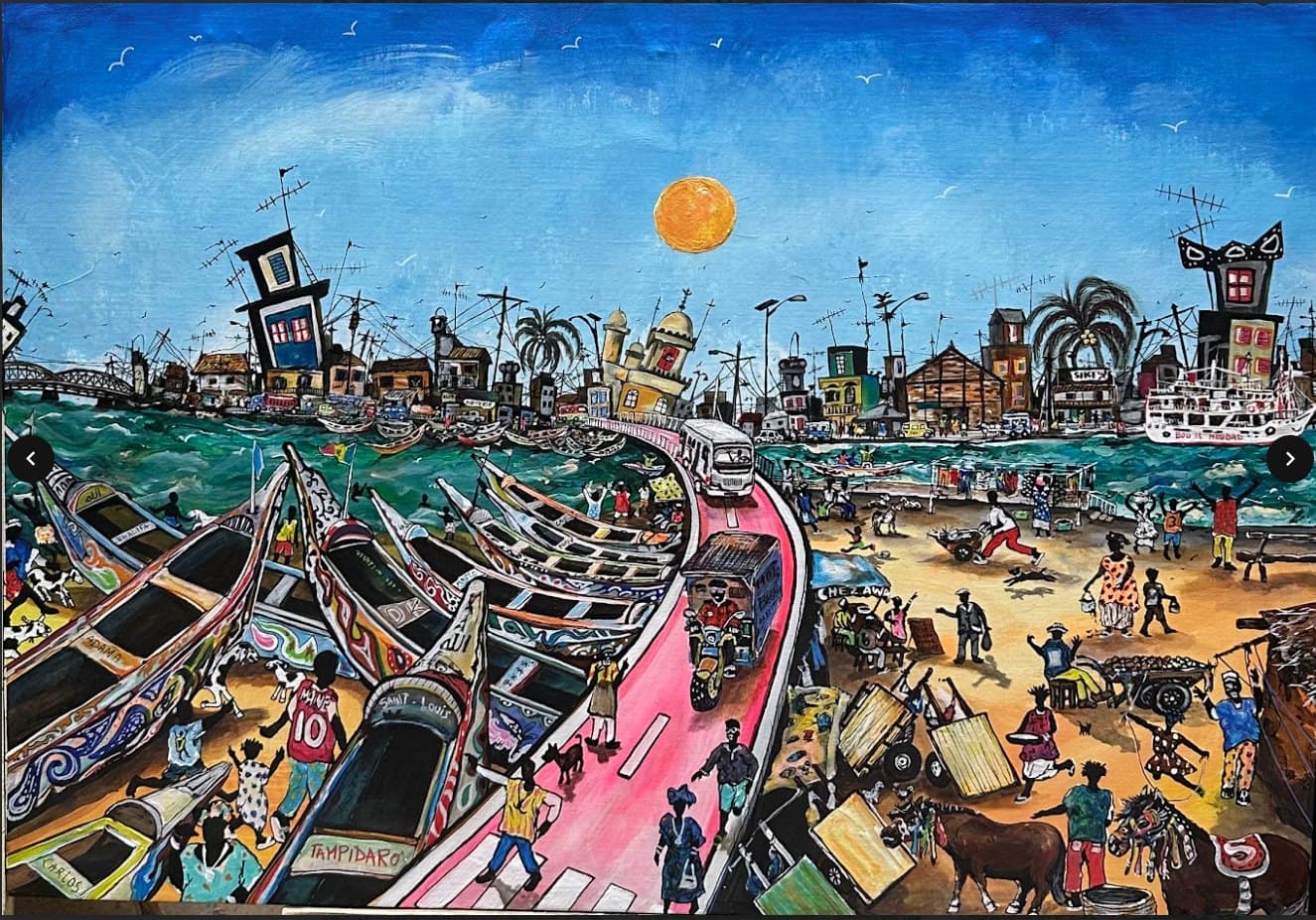
Ethiopia's contemporary art scene, carried by figures such as Afewerk Tekle, Skunder Boghossian and, more recently, Julie Mehretu, is today in dialogue with Senegal's scene, more visible in Dakar's galleries. Our article on contemporary Ethiopian art looks at this movement in more depth. Dakar's galleries, including Ge'eza's, show artists from East Africa, West Africa and the diaspora across their exhibitions, a principle that extends this dialogue to the scale of a single venue.
An Ethiopian setting that tells its own story
Ethiopian textiles, such as the habesha kemis or the netela, sometimes appear in the decor of Dakar's Ethiopian venues, alongside Senegalese craft objects. That quiet, material presence reminds a visitor, each time, that two cultures sit layered in the same space, without one erasing the other. A visitor who pays attention to these details, a fabric, a cup, a painting on the wall, reads part of this dialogue before even tasting a dish.
An Ethiopian diaspora settled in Dakar
Beyond places passed through, an Ethiopian diaspora lives in Dakar, with its own gathering points, celebrations and addresses. That lasting presence gives a concrete face to the exchange between the two countries, beyond the major diplomatic moments of the twentieth century alone.
A musical repertoire that crosses paths too
Ethiopian music, through movements such as Ethio-jazz, now finds an audience among Senegalese listeners curious about sounds from East Africa, just as Senegalese music, widely heard across the continent, draws the interest of Ethiopian listeners in turn. Concerts that blend African influences without limiting themselves to a single national scene illustrate this meeting well, beyond food habits alone.
What the historic ties tell, and what they do not
The ties between Ethiopia and Senegal go back to the years of African independence, to the founding of the Organisation of African Unity in Addis Ababa, and to the 1966 World Festival of Black Arts held in Dakar. Our article on Ethiopia and Senegal's historic ties covers that history in detail. But this exchange has not stayed frozen in the past: it continues today through food, art and a lasting human presence.
A vision for the future
Ge'eza presents itself as a bridge between two Africas, and holds a wider ambition for the future, set out on the house's about page: to encourage, over time, more cultural exchange between East and West Africa. It is a horizon, not a programme already under way.
What a first visit might include
A visitor curious about this exchange might start with a meal that brings together an Ethiopian dish and a Senegalese one on the same table, sit through a coffee ceremony from start to finish, and walk through a gallery showing artists from both regions, all in a single afternoon. No single stop tells the whole story, but together they give a fuller sense of how the two cultures sit side by side in Dakar today.
A dialogue lived day to day
This dialogue between the two countries does not rest on a single big event: it plays out day by day, in a restaurant, a gallery, a conversation between neighbours. That quiet repetition, more than any grand occasion, is what gives the exchange between Ethiopia and Senegal its staying power today.
Taking it further
To experience this dialogue between Ethiopia and Senegal through a meal, a coffee ceremony or a visit to the gallery, Ge'eza's team replies on WhatsApp at +221 78 660 07 07 or at geezacultures@gmail.com.
Frequently asked questions
How do Ethiopia and Senegal meet in Dakar today?
Through food (Ethiopian restaurants alongside Senegalese cooking), the coffee ceremony, contemporary art shown in galleries, and an Ethiopian diaspora settled in the city.
Where can I see Ethiopian and Senegalese contemporary art in dialogue in Dakar?
At galleries such as Ge'eza's, which show artists from East Africa, West Africa and the diaspora across their exhibitions.
Do the ties between Ethiopia and Senegal date from today?
No, they go back to the years of African independence. Our article on the historic ties between the two countries covers that history.
Does Ge'eza have a formal East-West Africa exchange programme?
Not yet in a structured form: it is an ambition for the future, set out on the house's about page, not a programme currently under way.