Art · 28 September 2026
Contemporary Ethiopian Art: Afewerk Tekle, Skunder, Mehretu
From modern masters such as Afewerk Tekle and Skunder Boghossian to Julie Mehretu, Ethiopian art has been built between Addis Ababa and the world. Landmarks of heritage and present, and where to see African art in Dakar.
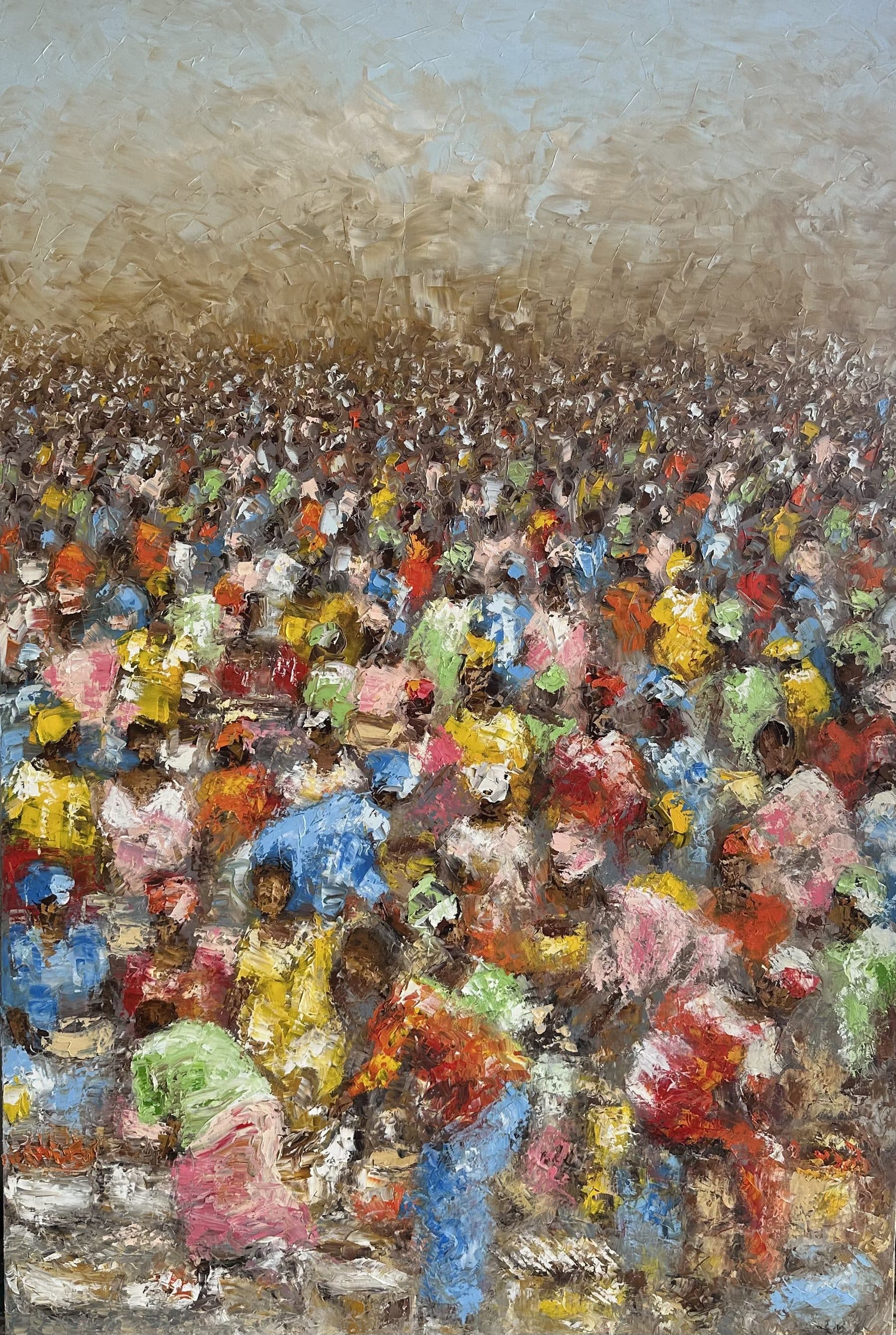
Contemporary Ethiopian art has grown on two threads: an old pictorial tradition, tied notably to religious icons and manuscripts, and a modernity born in the twentieth century in Addis Ababa, carried by artists such as Afewerk Tekle and Skunder Boghossian. Today artists such as Julie Mehretu, born in Addis Ababa, continue that story on the international stage.
An old tradition
Before modern art, Ethiopia had a long tradition of religious painting: icons, church murals, illuminated manuscripts. It nourished the graphic sensibility of the country, its flat areas of colour, clear lines and faces with large eyes. Twentieth-century artists inherited this language and set it against other influences, African and European.
The masters of modernity
Afewerk Tekle (1932 to 2012) is one of the best-known names of modern Ethiopian art. A painter, sculptor and stained-glass artist, he is notably associated with the decoration of Africa Hall in Addis Ababa, seat of the United Nations Economic Commission for Africa, where a large stained-glass window by him can be seen. His work is tied to the idea of a modern African art proud of its roots.
Skunder Boghossian (1937 to 2003), born in Addis Ababa, studied in London and Paris before teaching in the United States. He is often presented as a pioneer of African abstraction, blending Ethiopian symbols and motifs with surrealism. His path across several continents illustrates the circulation of African artists in the twentieth century.
The Addis Ababa school of fine arts has trained several generations of artists since the 1950s, and remains a reference in the history of Ethiopian painting.
Julie Mehretu and today's scene
Julie Mehretu, born in Addis Ababa in 1970 and based in the United States, is one of the most recognised contemporary artists on the international stage. Her large abstract paintings, layered with lines, marks and architecture, are shown in many museums. She embodies a second life of Ethiopian art, that of the diaspora.
On the ground, Addis Ababa has galleries, collectives and emerging artists working in painting, photography, installation and video. It is safer to speak of a scene in motion than to cite specific names that have not been checked one by one.
Links with Dakar
Ethiopia and Senegal share a history of exchange around pan-Africanism, as recalled in Ethiopia and Senegal: historic ties. Dakar also hosts the contemporary African art biennale and a network of galleries: Ethiopian art finds an attentive audience there, and the dialogue between East and West African artists comes naturally.
The ge'eza gallery
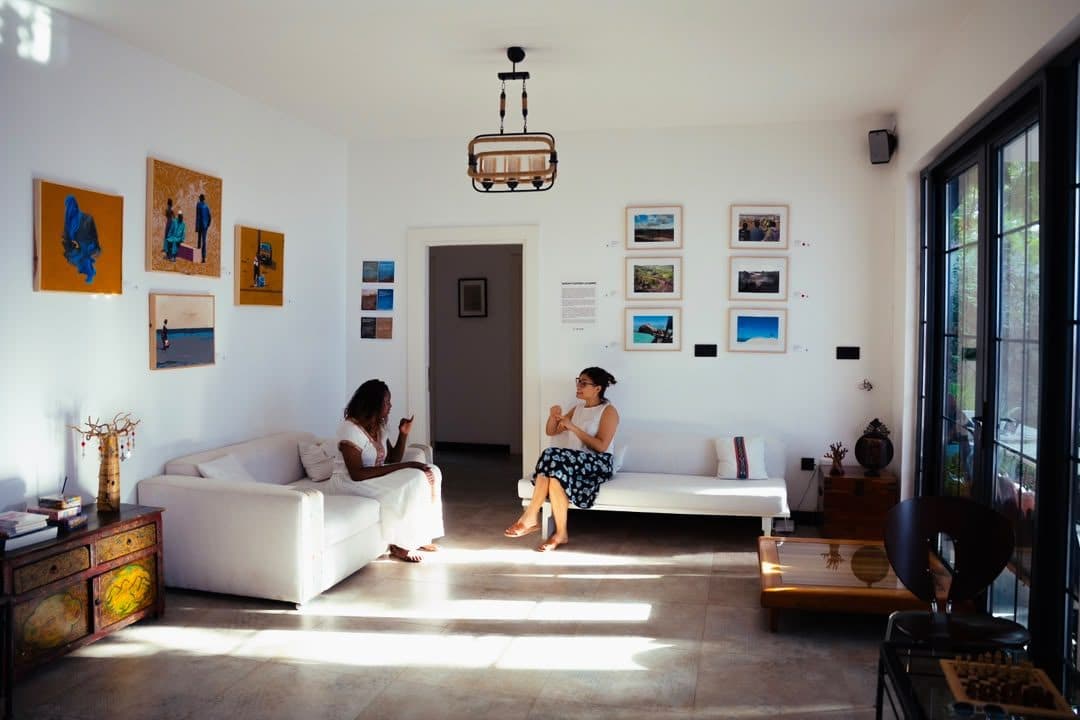
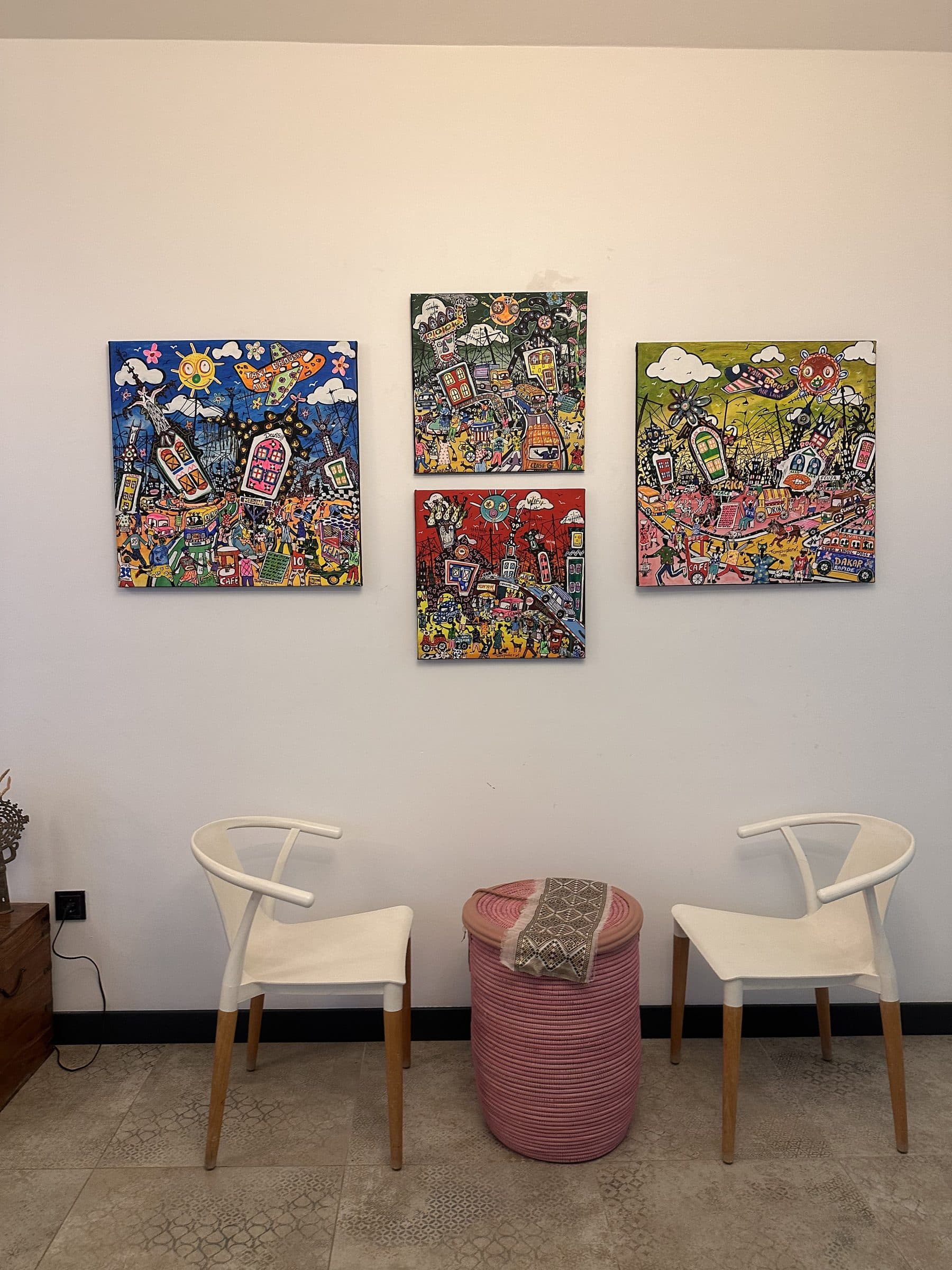
The ge'eza villa in Point E is also an art gallery. It shows artists from East and West Africa, with works for sale, accompanied by a certificate of authenticity, and shipping possible. Hangings change through the year and are marked by openings. The gallery does not claim to sum up Ethiopian art: it offers a place to see it, compare it and talk about it over a meal. See the gallery page and the events page.
How to look at a work
A few reflexes help when approaching contemporary Ethiopian art: observe the relationship between motif and ground, spot references to writing (Ge'ez is sometimes present), pay attention to colours and repetitions, which recall textiles (see Ethiopian textiles). Rather than looking for a single meaning, let the piece speak to you first.
What these artists have in common
Despite very different styles, several themes recur. Memory first: the history of the country, its religious traditions, its festivals. Writing and sign next: lines, symbols, references to Ge'ez. Movement, finally, between Ethiopia and abroad: many artists studied, exhibited or lived elsewhere. These journeys can be read in their work, which often joins local motifs with international languages such as abstraction or surrealism.
An art in conversation with all of Africa
Ethiopian art is not isolated. It talks with the scenes of Senegal, Nigeria, Ghana, Kenya and elsewhere. That conversation, born of the pan-African movements of the twentieth century, continues today in biennales, residencies and galleries. See also pan-Africanism and contemporary art.
Seeing art over a meal
One of the advantages of a place like ge'eza is that art is not kept behind a rope. The villa is a restaurant as well as a gallery, so you can look at a painting, sit down to a beyaynetu, come back to the painting and talk about it. Art can feel easier to approach that way: you look longer, you chat more, and you leave with a clearer idea of what you liked. Ask the team about the current hanging when you book: book a table.
A note on names and sources
Art history is written with dates and names, and it is easy to repeat them wrongly. If you want to go further, look for museum catalogues, university collections and gallery biographies rather than second-hand summaries. The names in this article are reliable starting points, and the ge'eza team is glad to point you toward further reading when you visit.
Frequently asked questions
Who are the big names of modern Ethiopian art?
Afewerk Tekle and Skunder Boghossian are among the most cited. Julie Mehretu is one of the best-known contemporary artists of Ethiopian origin.
Where can I see African art in Dakar?
In the galleries and cultural venues of the city, including the ge'eza gallery in Point E, which shows artists from East and West Africa.
Can I buy works at ge'eza?
Yes, the works on show are for sale, with a certificate of authenticity and shipping possible.
Are there openings?
Yes, an opening accompanies each new hanging. Dates are announced by the venue.