
Question · 22 October 2026
Writing an Arts Grant Application: What to Include
What goes into an arts grant application: project outline, budget, timeline, partners, host venue and visual documentation. What a welcome letter from a Dakar venue can, and cannot, say.
An arts grant application usually brings together six parts: a clear project outline, a detailed budget, a delivery timeline, a list of confirmed partners, a description of the host venue or venues, and visual documentation (photos, sketches or a portfolio, depending on the project). Each fund sets its own format and required documents on its official site, but these six elements show up in most sets of rules.
The project outline
In a page or two, the outline should answer simple questions: what the project is, who it is for, why now, and what changes once it is delivered. A panel reads many applications: a direct outline, free of jargon or vague phrasing, stands out faster than a text that circles its subject.
Budget and timeline
A realistic budget breaks down the main items (venue, production, communication, artist fees) and clearly states the share requested from the fund relative to the total budget. A timeline, even a simple one, shows the project has been thought through over time: preparation, delivery, follow up. Exact amounts and accepted shares vary by fund and are found on each fund's official site, the only reliable source when it comes to costing an application.
Partners and the host venue
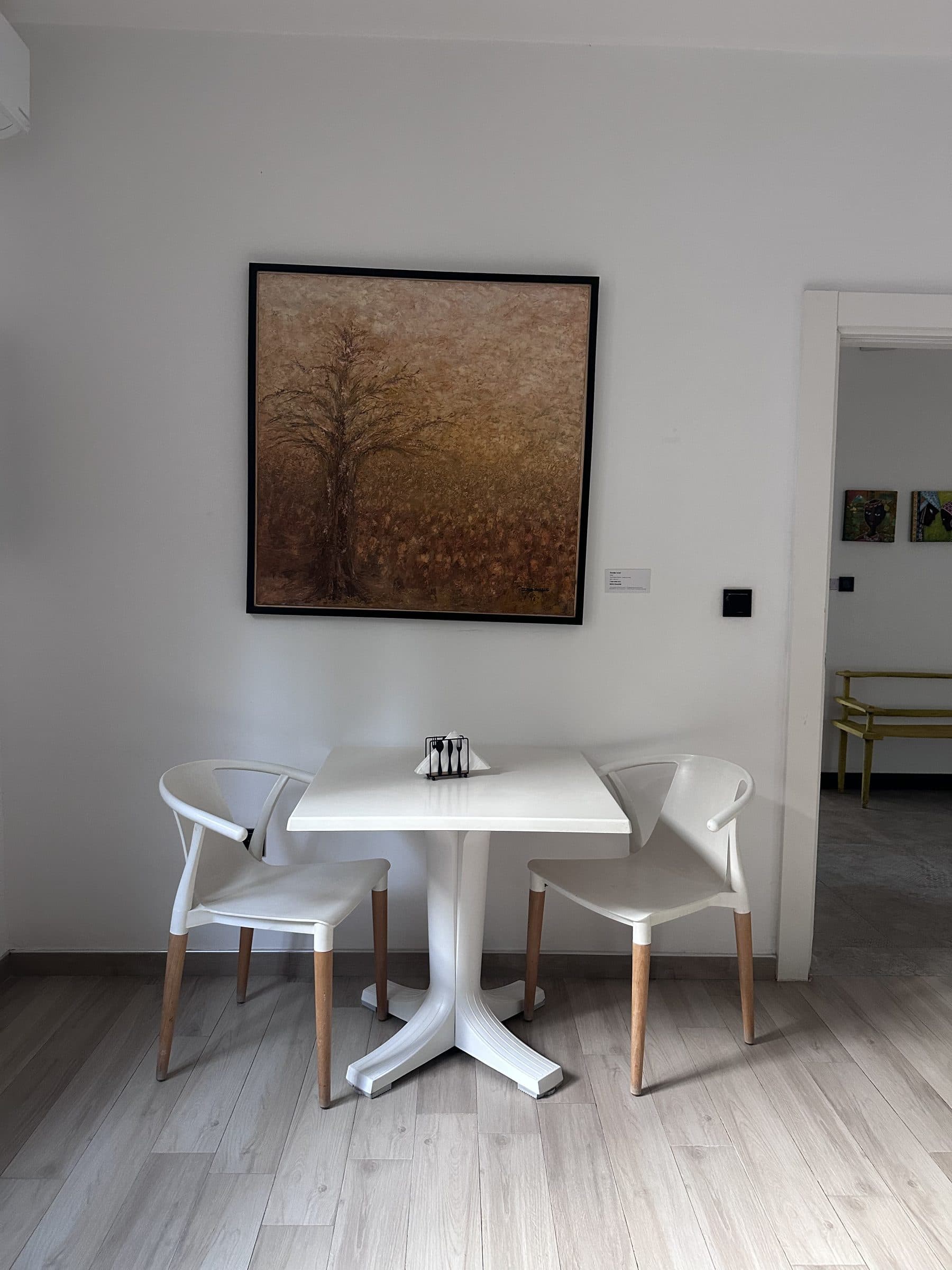
Most funders ask applicants to name confirmed partners, including a host venue if the project takes place in a specific location. A letter from a Dakar venue, such as Ge'eza in Point E, can confirm that a space will be made available for a given date or period, without ever stating that the venue funds, grants or co produces the project: only the association or institute behind the application answers for that commitment to the fund. For more on the cultural institutions present in Dakar, the article on cultural institutes in Dakar offers useful background.
Visual documentation
Clear photographs, plans or sketches depending on the project, and, for an artist, a portfolio summing up recent work usually round out the application. This documentation should stay faithful to what will actually be shown or delivered, without promising more than what is planned.
Getting a welcome letter from a Dakar venue
For a project with a Dakar leg, an exhibition, a gathering or an event, a welcome letter is requested directly from the venue in question, stating the project, the dates under consideration and what is expected of it (a space, a programme, some support). The article on exhibiting at a Dakar gallery sets out that process in more detail.
Taking it further
To request a welcome letter or discuss a project with a Dakar leg at Ge'eza, the simplest route is to write through the contact page, naming the fund in question and the application timeline.
Frequently asked questions
What documents does an arts grant application need?
Generally: a project outline, a budget, a timeline, a list of partners, a description of the host venue, and visual documentation. Each fund sets out its own required documents on its official site.
Can a venue like Ge'eza provide a welcome letter?
Yes, to confirm that a space will be made available on a given date, without the letter stating any funding or institutional partnership from the venue.
Who answers for the funding to the fund in question?
The association or institute behind the application, never the host venue, which only makes a space available.
Where can I find a fund's exact amounts and deadlines?
Always on that programme's official site, once its call for projects is open.