Dakar · 28 September 2026
Teranga: understanding Senegal and its social codes
Teranga, Senegalese hospitality, explained to newcomers: greetings, sharing a meal, the rhythm of appointments, and a parallel with Ethiopian hospitality.
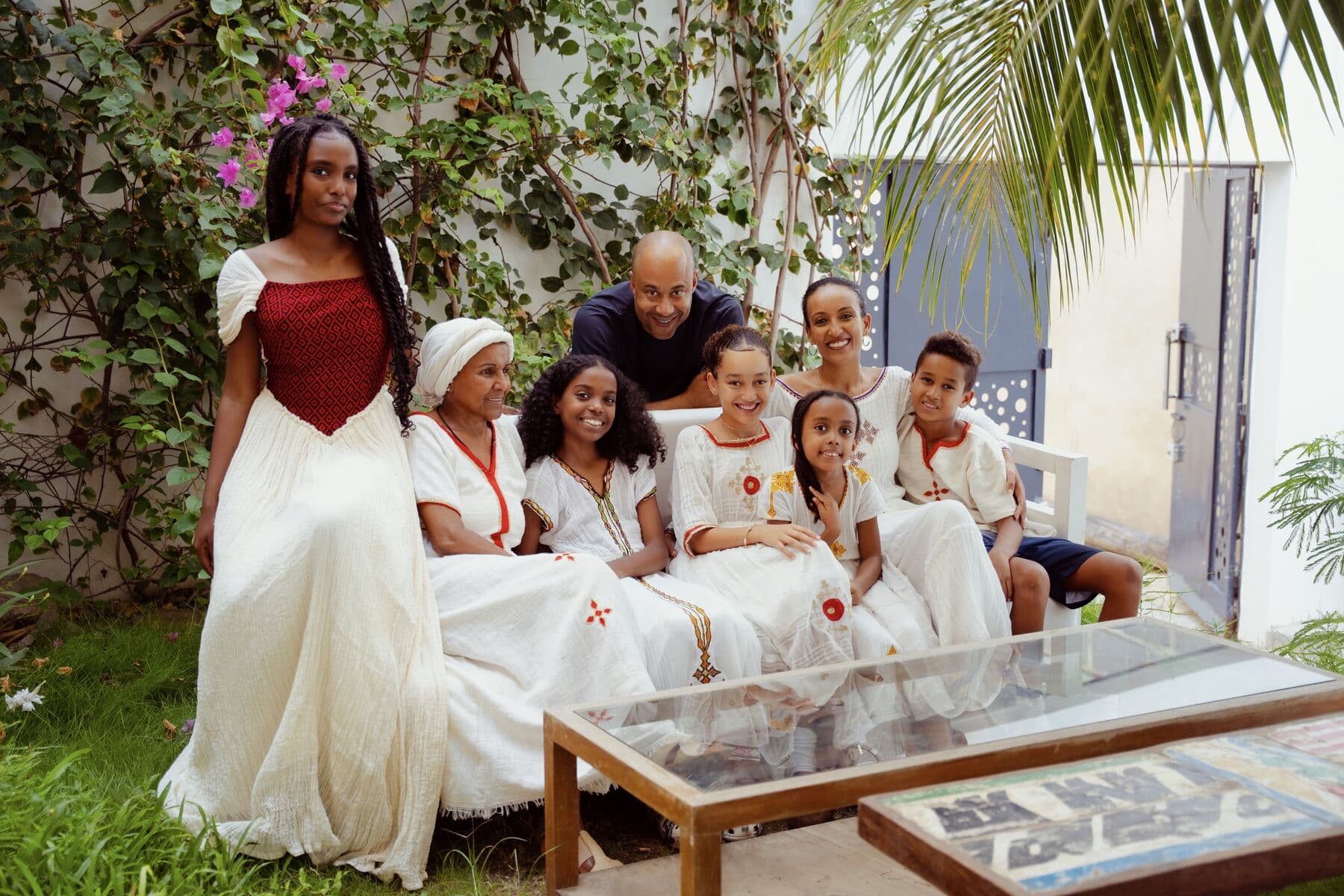
Teranga is the Wolof word for hospitality, the art of welcoming and sharing. Senegal claims it as an identity: you find it in greetings, in a meal taken together, in the attention paid to a guest. For a newcomer, understanding it makes the first weeks easier and avoids a few misunderstandings.
What teranga means
Teranga does not translate into a single word. It covers generosity, the sense of welcome and respect for others. Receiving is not a service but a duty and a pleasure: the guest is treated with consideration, offered a drink, and given a share of what there is. The value applies to neighbours, colleagues and strangers as much as to friends.
What a visitor takes from it: you will often be welcomed warmly, and simple reciprocity will be expected of you, in courtesy and availability.
Greetings, a ritual that matters
In Wolof, as in Senegalese French, greeting is not a formality. People ask after the person, the family, work and health before the subject of the day. A few pointers:
- Always greet on entering, each person present if the group is small.
- Take your time: going straight to the point can feel abrupt.
- A handshake, sometimes a lingering one, is common. Wait for the other person's gesture before offering your hand, especially to someone of the opposite sex, since some people prefer a greeting without contact.
- A few words of Wolof are always appreciated: a "salaam aleekum" followed by "nanga def" opens the conversation.
Sharing a meal
The meal is the central place of teranga. Traditionally, people eat from a large shared dish, each in front of their own side, with the right hand or a spoon. The host pushes the best pieces towards the guest. Refusing an offered meal can be taken badly, so it is better to accept at least a little and thank warmly. Tea, attaya, prepared in several servings, often marks the end of the meal.
If you are invited to someone's home:
- Arrive relaxed: the exact hour matters less than availability.
- Bring a small gift: fruit, sweets or tea.
- Use your right hand to eat, give and receive.
- Leave a little in the dish rather than emptying it entirely: it signals you are full.
The rhythm of appointments
Time is lived more flexibly than you might imagine in some professional circles. A meeting may start late, and social exchange comes before the substance. For a foreign professional, the best attitude is flexibility: leave margin, confirm the day before by message, and do not read lateness as disrespect. These habits vary by setting and context: observe and adapt.
Respect for elders and for religion
Respect for elders is a strong value: you greet the oldest person first and do not interrupt them. Senegal is a majority-Muslim country with living religious traditions: people dress rather modestly outside beach areas, and are attentive to prayer times and religious holidays. Again, ask a colleague or neighbour if in doubt.
A parallel with Ethiopian hospitality
Ethiopia also has a deeply rooted culture of hospitality, seen in two gestures. The first is the coffee ceremony: a ritual of several rounds, Abol, Tona, Baraka, where you take the time to receive. The second is the gursha, where you offer a bite from your own hand to someone you hold in esteem, and people eat together from one plate of injera.
The two traditions meet on the essentials: the meal is a place of connection, the guest is honoured, and time given to the other is part of the exchange. That closeness explains why Ethiopian food finds its place so naturally in Dakar. Our article on the coffee ceremony as a language of hospitality develops the link.
Experiencing it at ge'eza
ge'eza, at 656 avenue Birago Diop in Point E, brings the two cultures together: Ethiopian cooking, a Senegalese dish of the day from Tuesday to Friday, the coffee ceremony, and a villa where people come together. Open Tuesday to Sunday, 8am to 10pm. For your first weeks, see also our guide to moving to Dakar. Book on the reservation page or at +221 78 660 07 07.
Teranga in daily life for a newcomer
You will see it at work in simple situations: a neighbour asking how you are, a shopkeeper offering you a piece of fruit, a colleague inviting you to lunch. Responding to this attention with courtesy and availability quickly builds bonds. You can practise it too: invite in return, share a dish, offer tea.
Teranga does not rule out frankness, nor demanding professional life. It gives a human frame to exchanges. A foreigner who accepts and practises it generally finds Dakar becomes welcoming much faster than expected.
Frequently asked questions
What does teranga mean?
It is the Wolof word for hospitality: the art of welcoming, sharing and respecting the guest.
How do I greet people in Senegal?
Take your time: ask for news before raising the subject. A few words of Wolof are always appreciated.
Can I decline an offered meal?
It is better to accept at least a little and thank warmly. If you have a special diet, explain it simply.
Is there an Ethiopian equivalent of teranga?
Ethiopia has a strong culture of hospitality, seen in the coffee ceremony and in the gursha.