
Event · 6 October 2026
Enkutatash, the Ethiopian New Year: Flowers, Songs, Coffee
Enkutatash, the Ethiopian New Year, falls on 11 September (12 September in the year before a leap year). Yellow adey abeba flowers, songs, a festive meal and coffee: what it means and how to live it in Dakar.
Enkutatash is the Ethiopian New Year. It falls on 11 September in the Gregorian calendar, and on 12 September in the year before a leap year. It marks the first day of Meskerem, the first month of the Ethiopian calendar, at the end of the main rainy season. It is associated with yellow flowers called adey abeba, children's songs, family meals and coffee. Here is what the festival means and how to experience it in Dakar.
A calendar of its own
Ethiopia follows its own calendar, inherited from the Coptic tradition, with twelve months of thirty days and a very short thirteenth month of five or six days. It runs seven to eight years behind the Gregorian calendar: in September 2026, the Ethiopian New Year opens the year 2019. Our article on the Ethiopian calendar sets out the gap in detail.
The New Year therefore falls on 1 Meskerem. The shift to 12 September before a Gregorian leap year comes from how the extra day is placed in this calendar.
Why "Enkutatash"
The word is often explained by a legend: the Queen of Sheba, returning from a visit to King Solomon, is said to have been welcomed in Aksum by her chiefs, who offered her jewels, "enku" in Amharic. Hence "enkutatash", sometimes translated as "the gift of jewels". It is a story told rather than an established historical fact, and it belongs to the stock of tales around the festival.
A festival at the end of the rains
Enkutatash arrives as the wet season ends. Meadows turn green again and yellow adey abeba flowers cover fields and roadsides. The coincidence gives the festival its image: renewal, a fresh season after months of rain.
In Dakar the hivernage ends at roughly the same time. The seasonal parallel is a nice way to link the two countries, even though climates and calendars differ.
What people do on the day
As with any festival, practices vary between families and regions. A few elements recur:
- Flowers. Bouquets of yellow flowers are given and decorate homes.
- Songs. Children go from house to house singing New Year wishes.
- Greetings. People wish each other a good year and peace.
- The meal. Families gather around a festive meal, where doro wot, the chicken stew of big occasions, is often present.
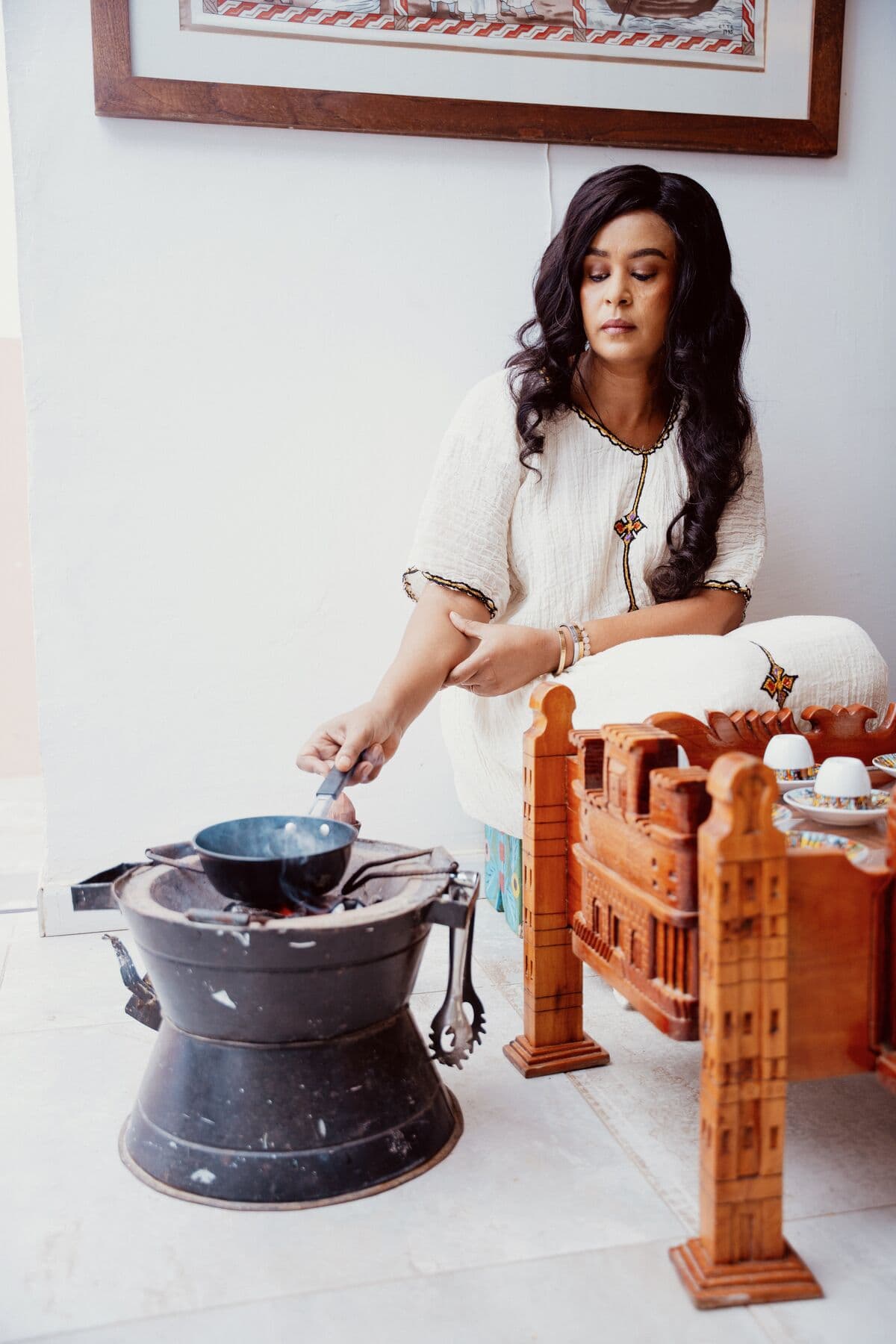
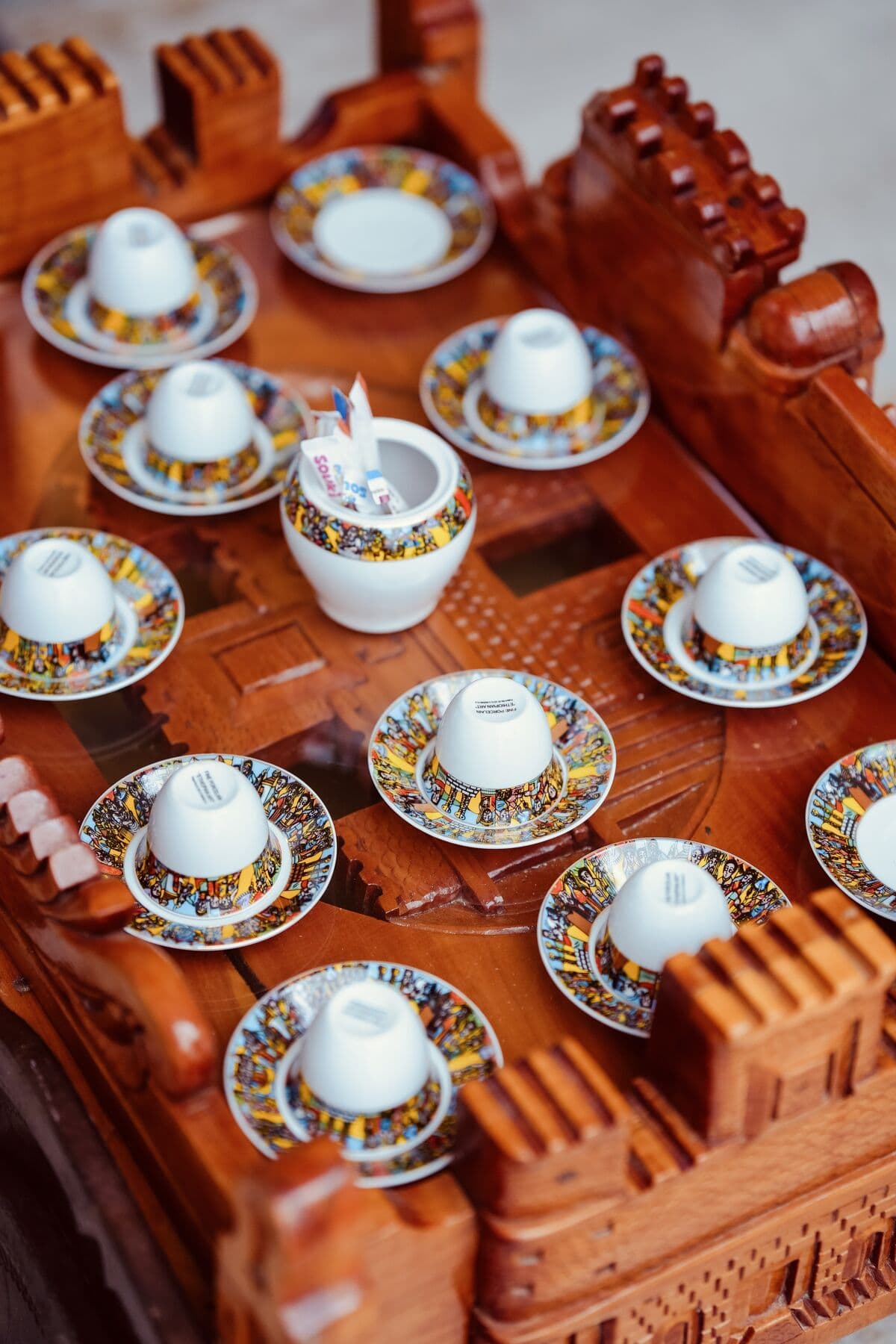
- Coffee. The coffee ceremony readily accompanies visits.
To understand the country's other major festivals, you can read about Meskel, the Feast of the Cross and Genna and Timkat.
Living Enkutatash in Dakar
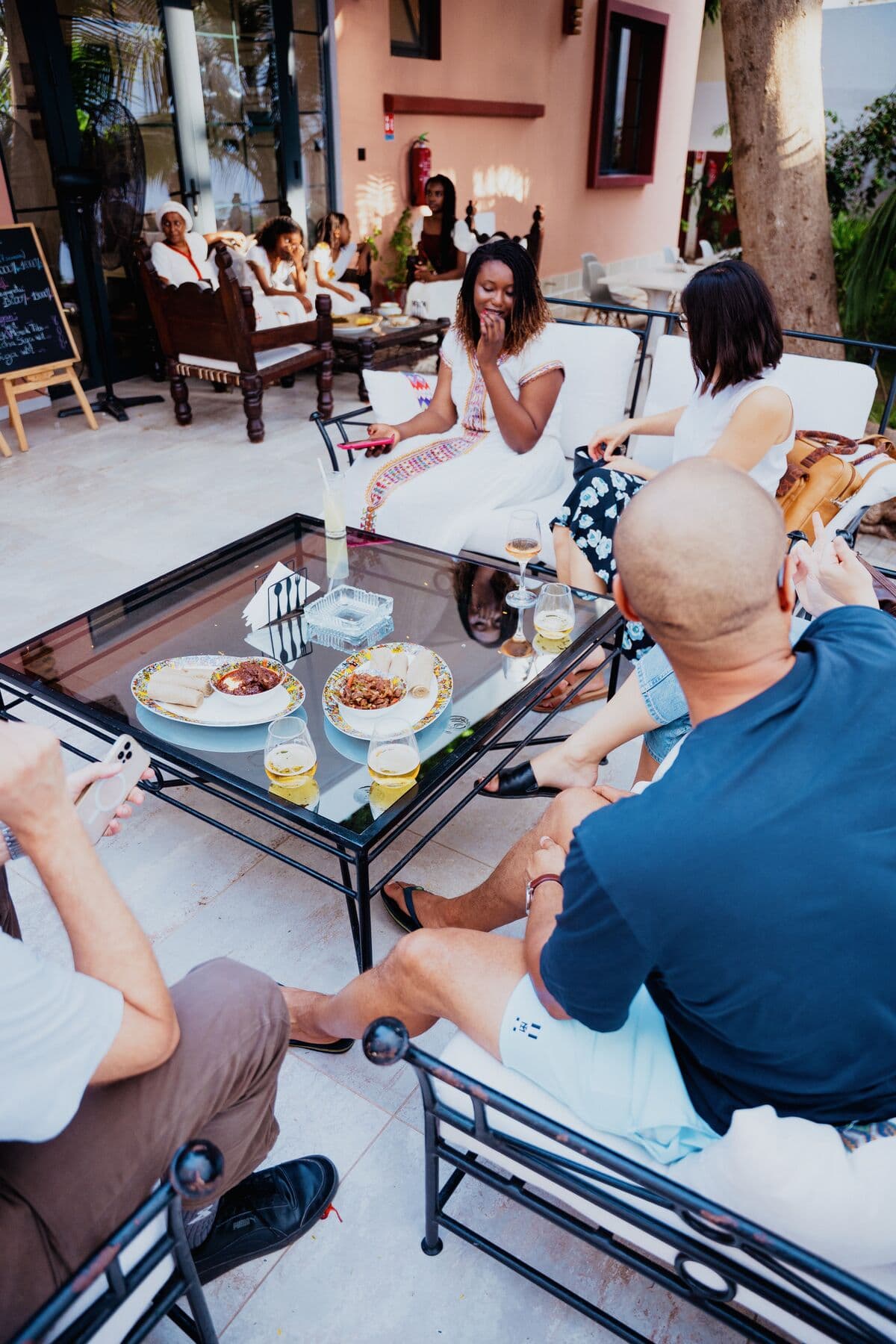
For Ethiopians living in Dakar, the festival is a time to reunite. For others, it is a chance to taste festive food and understand the holiday from the inside. Ge'eza, the Ethiopian restaurant in Point E founded and directed by Maraki Germa Bekele, is one of the places where this culture is lived daily.
The menu lets you put together a festive meal:
- Doro wot, chicken slow-cooked in clarified butter, served with a hard-boiled egg: 8,000 F.
- Beyaynetu, seven vegan fasting dishes on injera: 7,000 F for one person (it can also be ordered for two or three). Ye Fisig Beyaynetu, which adds a meat stew, is 7,000, 10,000 or 16,000 F.
- Tej, honey wine: 3,500 F, or birz, alcohol-free honey water: 2,000 F.
- Coffee ceremony: 5,000 F per person, about 45 minutes in three rounds, Abol, Tona and Baraka, with incense and dabo bread. Booking 24 hours ahead is preferable, especially for a group.
If the house plans a date, it will be published on the calendar page.
Hosting the Ethiopian way
If you want to mark the festival at home or with colleagues, a few gestures are enough: a bouquet of yellow flowers, a meal shared from one big platter, and coffee taken slowly. The gursha, the mouthful you offer by hand to a guest, is a gesture of affection that suits the day well.
A word about the year that begins
Wishing each other a happy new year in September may surprise, but the logic holds: the Ethiopian calendar begins with the end of the rains, not with the northern hemisphere's winter. People simply wish their loved ones a good year, and often stretch the celebration over several days.
Visiting Ge'eza
The house is open Tuesday to Sunday, 8am to 10pm, at 656 avenue Birago Diop, Point E, closed on Monday. For a group meal, message on WhatsApp at +221 78 660 07 07.
A festival to share
The Ethiopian New Year asks for nothing complicated: a meal, loved ones, a few flowers, a coffee. That makes it easy to share with friends of other backgrounds. People come to understand a custom and stay for the pleasure of a table where everyone eats from the same platter.
If you are invited to an Ethiopian home for the occasion, it is polite to arrive with a small gift, flowers or sweets, and to accept at least a little of everything that is offered. Refusing a gursha, the mouthful handed to you, would be unusual; a smile and a bite are the expected reply.
Frequently asked questions
When is Enkutatash?
On 11 September, and on 12 September in the year before a leap year.
What does Enkutatash mean?
The name is tied to a legend of the Queen of Sheba and the jewels ("enku") offered to her. It is often translated as "the gift of jewels".
Which flowers symbolise the festival?
The yellow flowers called adey abeba, which bloom at the end of the rainy season.
Which dish goes with the festival?
Doro wot, the chicken stew of big occasions, often accompanied by the coffee ceremony.