Dakar · 28 September 2026
Cultural Diplomacy in Dakar and the Role of Private Venues
Dakar has long been a stage for African cultural diplomacy. Why that is, and how a gallery, a shared table or a villa like ge'eza can become a meeting place between countries.
Dakar is a capital of African cultural diplomacy because Senegal made culture a matter of state policy from independence: it is treated as a language between peoples, alongside economics and politics. The city hosts embassies, international organisations and cultural institutions, and it is often in private venues, galleries, dining tables, garden villas, that the relationships that matter get started.
Why Dakar
Dakar has a long record of encounters. Léopold Sédar Senghor, a poet before he was a president, put culture at the heart of the country's outward-facing policy. The 1966 World Festival of Black Arts remains the best-known example, and the 1966 festival still shapes how the city sees itself. More recently, the African Renaissance Monument and the Museum of Black Civilisations have given the capital new visible cultural landmarks.
Add to this a tradition of welcome, teranga, that turns the table into a space of trust. A foreign visitor in Dakar is rarely received in an office alone: they are invited to lunch, introduced to artists, taken to an exhibition.
What cultural diplomacy changes in practice
Official diplomacy runs through ministries, summits and agreements. Cultural diplomacy works at another scale: that of people. It creates occasions where counterparts from different countries talk about something other than files, and find common ground.
Three situations show it well:
- a foreign mission arrives in Dakar for a few days and wants to meet local civil society in a relaxed setting;
- an embassy wants to mark a national day or a partnership with a cultural moment;
- an international organisation needs a neutral, warm place for a dinner that follows a day of meetings.
In each case, the quality of the venue matters almost as much as the programme.
The role of private venues
Hotel conference rooms are practical, but they look the same all over the world. Private venues offer something else: an identity, a story, a setting that gives people something to talk about. A gallery provides artworks to discuss. A shared table sets a slow pace. A garden lets people move around, form small groups and talk standing up.
These are valuable assets because official meetings are often squeezed by the agenda. The venue can relax the exchange without making it casual.
ge'eza, a concrete example in Point E
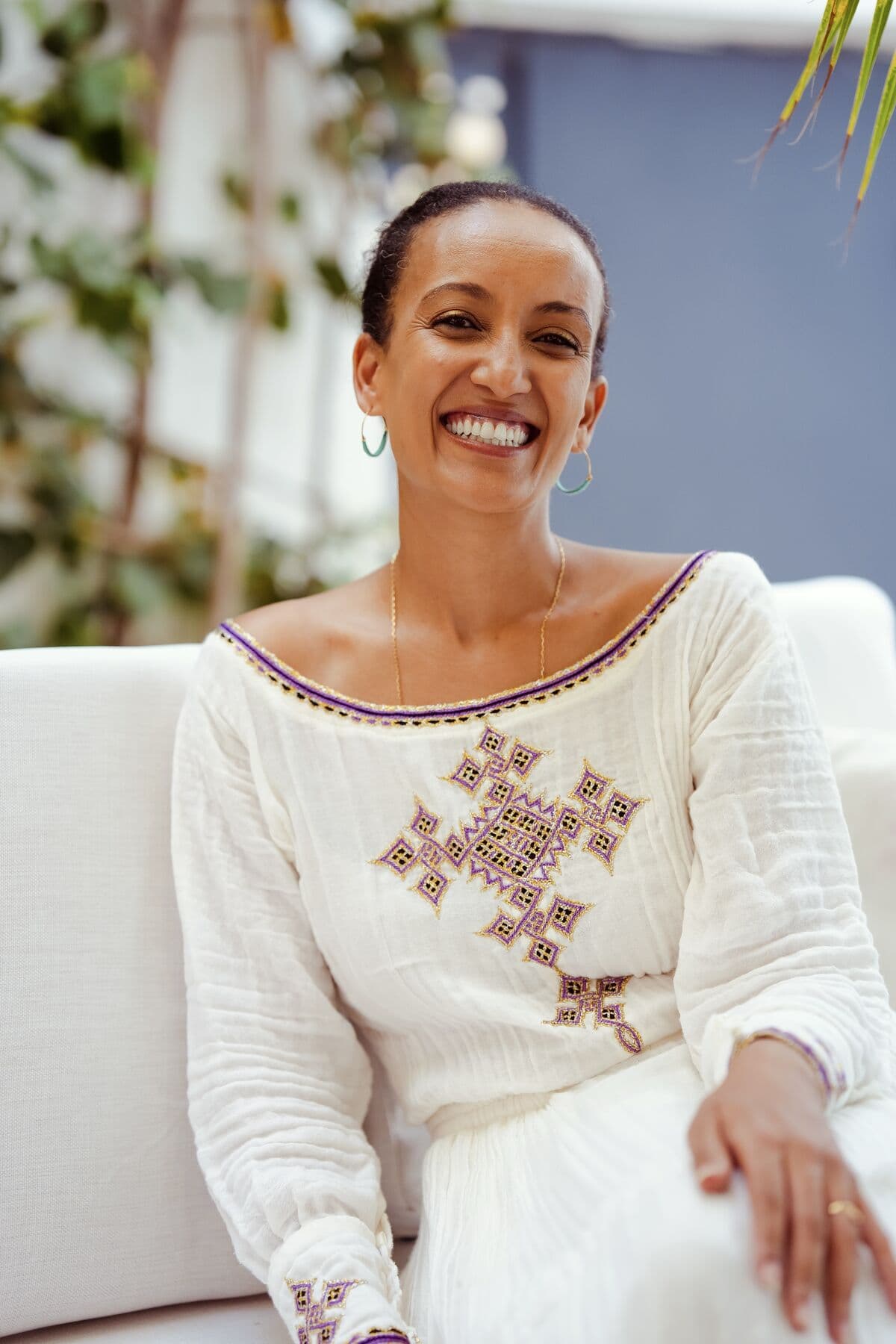
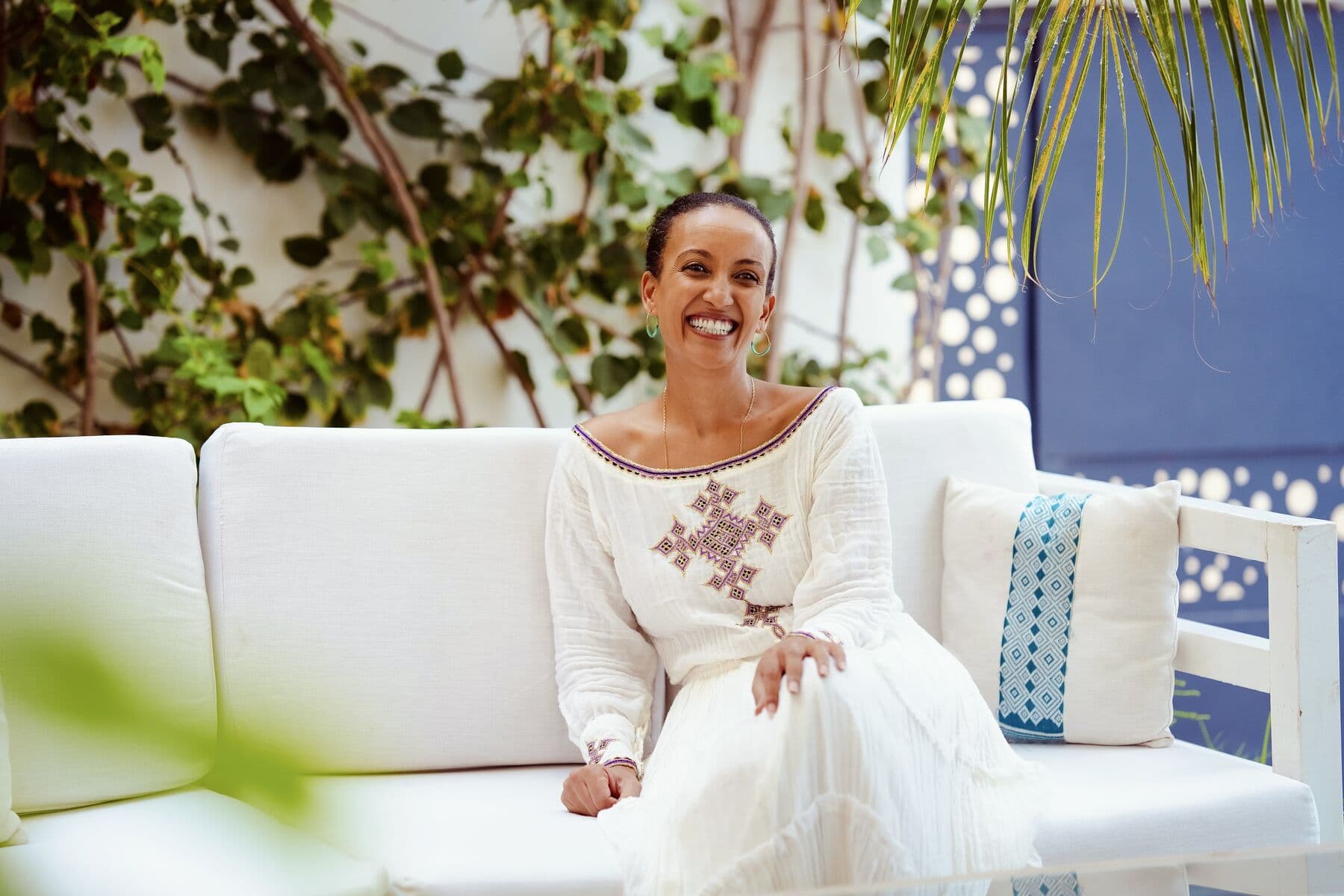
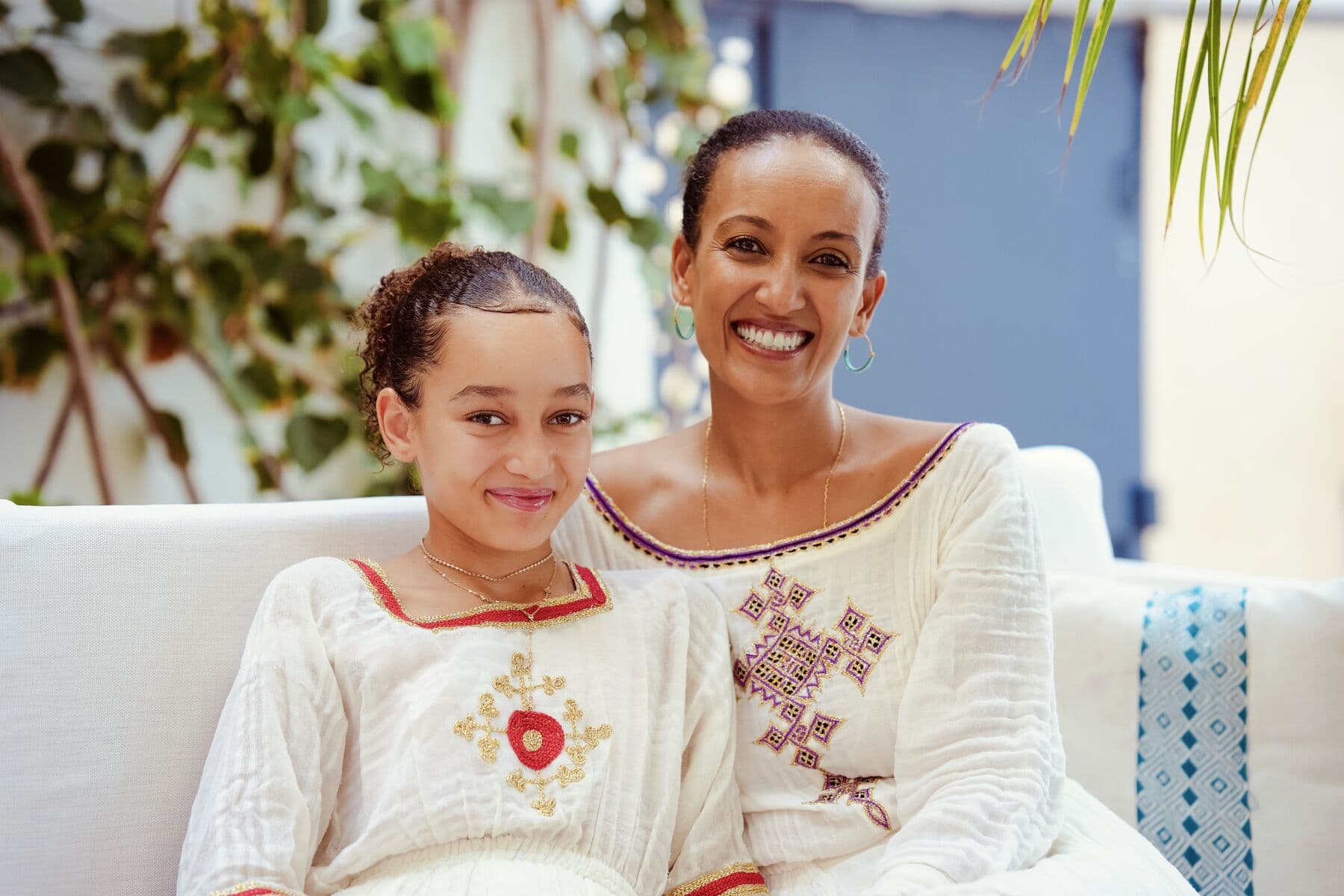
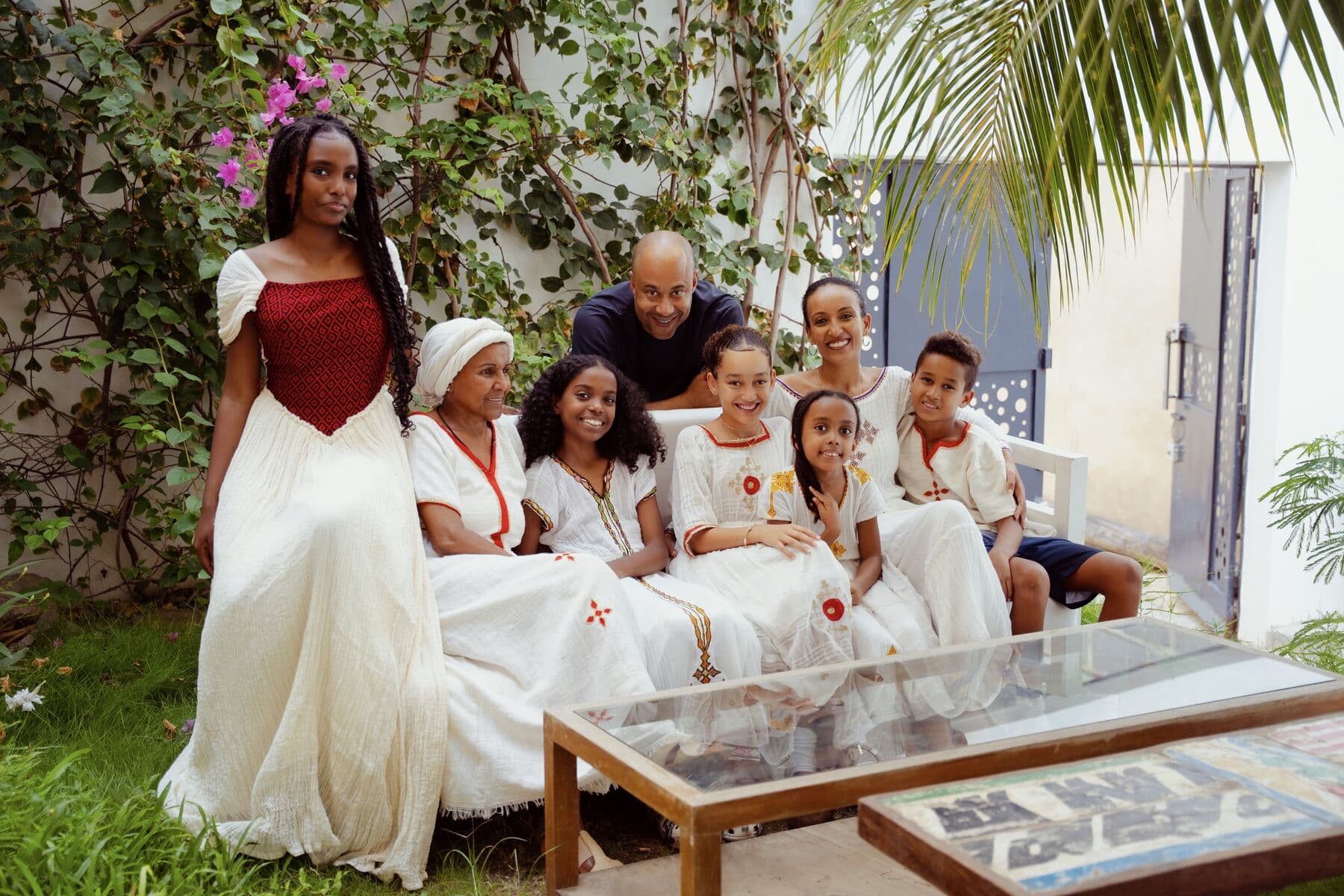
ge'eza is set in a villa with a garden and terrace at 656 avenue Birago Diop in Point E, a residential neighbourhood where several foreign missions are also based. The house is an Ethiopian restaurant, an art gallery, a concept store and an events venue. It was founded by Maraki Germa Bekele, who is Ethiopian, which gives the place a natural thread between Addis Ababa and Dakar, a subject we explore in our article on the historic ties between Ethiopia and Senegal.
In practical terms, the house offers what diplomats and organisers often look for:
- food to share around the injera, which brings guests together without heavy protocol;
- a gallery showing artists from East and West Africa, with works available to buy;
- the Ethiopian coffee ceremony, a welcome ritual lasting about 45 minutes;
- the option to book out the villa for a lunch, a dinner or a reception.
For the details of each format, see our guide to hosting a delegation in Dakar and the spaces page.
How to prepare a successful meeting
A few simple principles help, whatever the venue:
- Define the goal: bring people closer, celebrate, present a project. The format follows.
- Choose a venue with something to say: a place whose story or identity feeds the conversation.
- Plan dietary needs in advance. A menu with fully vegan dishes makes inclusion easier.
- Leave free time: the most useful exchanges often happen between two items on the programme.
- Sort out logistics early: access, parking, languages spoken, timings.
Visiting ge'eza
The house is open Tuesday to Sunday, 8am to 10pm, and closed on Mondays. For a lunch, dinner or reception, the simplest route is to message or call on WhatsApp at +221 78 660 07 07 with the date you have in mind, the type of gathering and an approximate number of guests. You can also use the reservation page.
Mistakes to avoid
A meeting meant to bring people closer can fail on details. An overloaded programme leaves no free moment. A poorly chosen venue imposes an atmosphere that suits neither the guests nor the goal. A meal that ignores dietary needs leaves some guests out. Having a single contact at the venue, who knows the programme and the constraints, avoids many misunderstandings on the day itself.
A note on language and welcome
Dakar is a French-speaking capital where Wolof is heard everywhere, and English is common in international circles. A short word of welcome in the local language is always noticed. Teranga is not a formula: it is expressed in attention to the guest, from the first greeting to the last coffee. Choosing a venue where that attention is part of daily service makes the difference.
Frequently asked questions
What is cultural diplomacy?
It is the use of culture (art, food, music, literature, rituals of welcome) to build trust between countries and their societies, alongside official diplomacy.
Why hold an official meeting in a private venue rather than a hotel?
A venue with a strong identity gives people something to talk about and a less formal setting. It helps the exchange relax without losing its seriousness.
Can ge'eza host a delegation lunch or dinner?
Yes. The villa can be booked out in whole or in part for lunches, dinners and receptions. Contact the team on +221 78 660 07 07 to discuss needs and dates.
Do I need to book ahead?
Yes for a group or a coffee ceremony. The kitfo dish must be ordered 24 hours in advance.