
Art · 22 October 2026
Contemporary Senegalese Painters: Background and Artists to Follow
Contemporary Senegalese painting sits within a history that already spans decades, starting in the years right after independence. General background, plus the generation currently shown at Ge'eza's gallery.
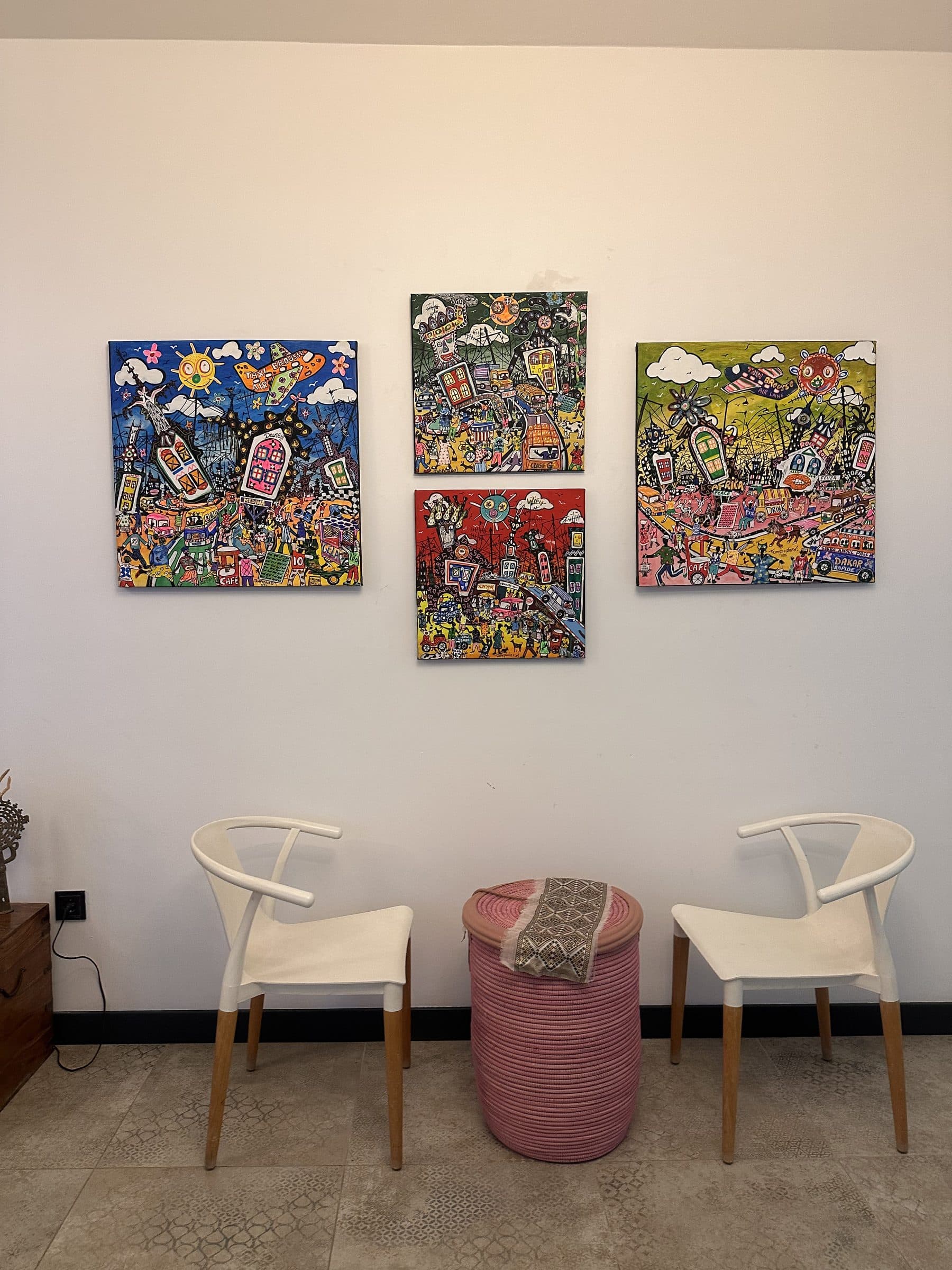
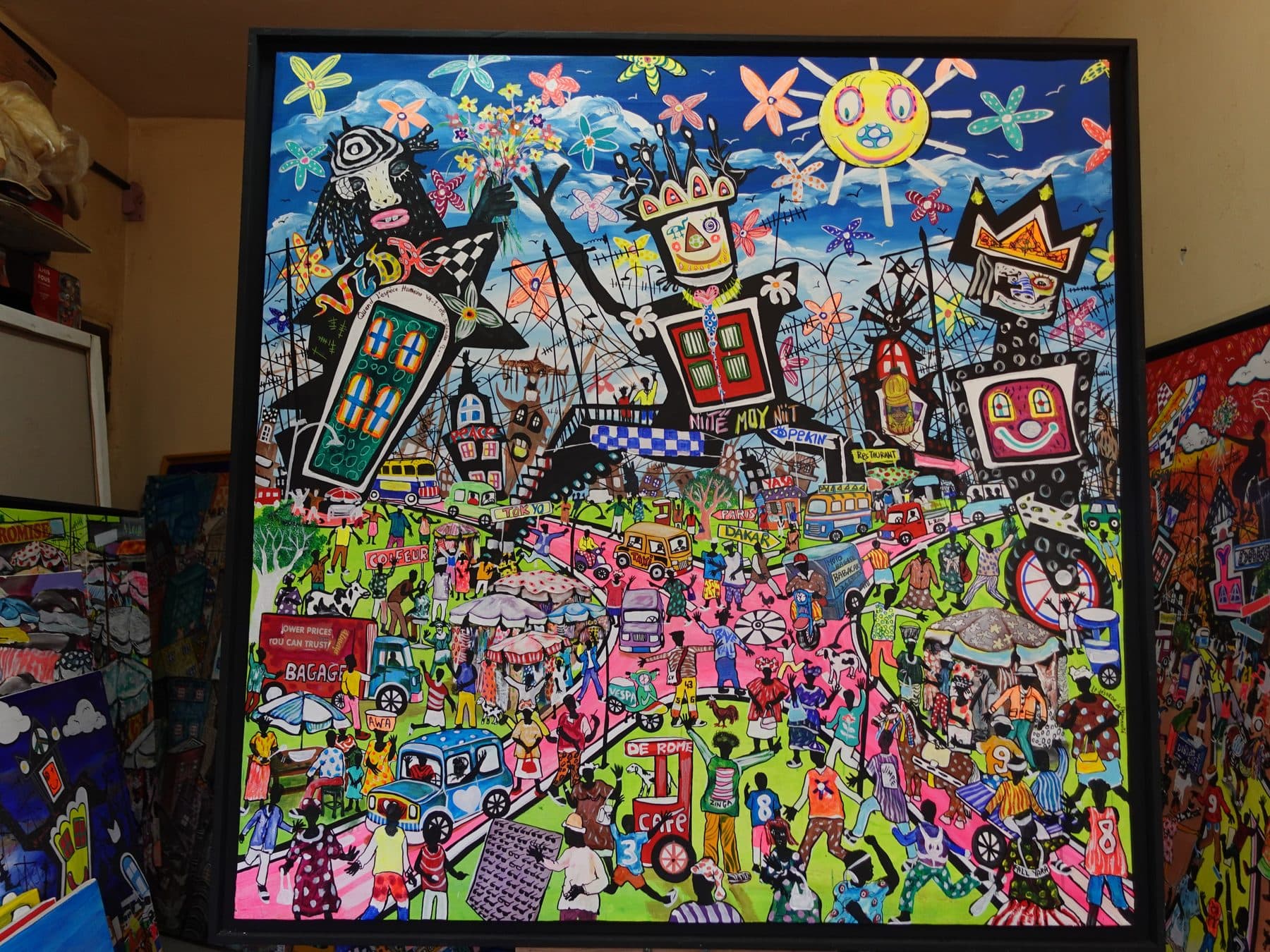
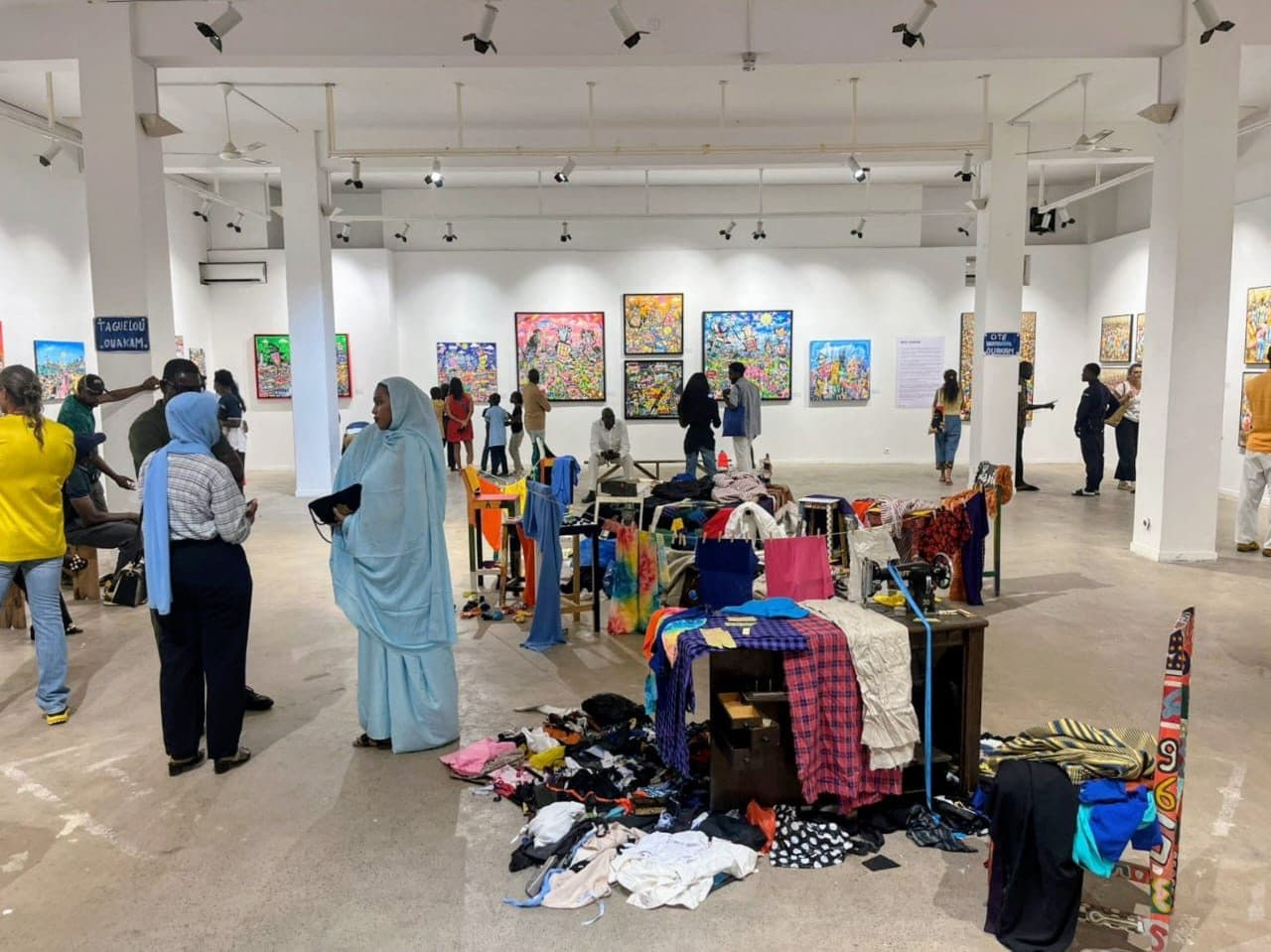
Contemporary Senegalese painting sits within a history that goes back to the years right after the country's independence in 1960, a period often linked to what is called the Dakar School, a movement driven by a deliberate cultural policy under President Léopold Sédar Senghor. Since then, several generations of painters have followed, up to the one currently shown at Ge'eza's gallery, at Point E, with work by Ibou Diagne, Saadio and Tampidaro.
A history that starts with independence
The Dakar School refers to a generation of painters encouraged in the 1960s and 1970s, at a time when the Senegalese state actively supported the arts, notably around the World Festival of Black Arts held in Dakar in 1966. That moment remains a reference point when discussing Senegalese painting, even though today's artists have largely moved beyond it to explore subjects and techniques of their own time. The guide on the 1966 World Festival of Black Arts covers that event and its legacy in more depth.
A current scene hard to sum up in a few names
Contrary to a common assumption, there is no single movement today that groups all contemporary Senegalese painters under one label. The current scene brings together artists with very different techniques and subjects, from figurative painting to practices mixing acrylic, ink and varied surfaces. That diversity is where the artists shown at Ge'eza's gallery fit, each with a distinct approach.
The generation shown at Ge'eza
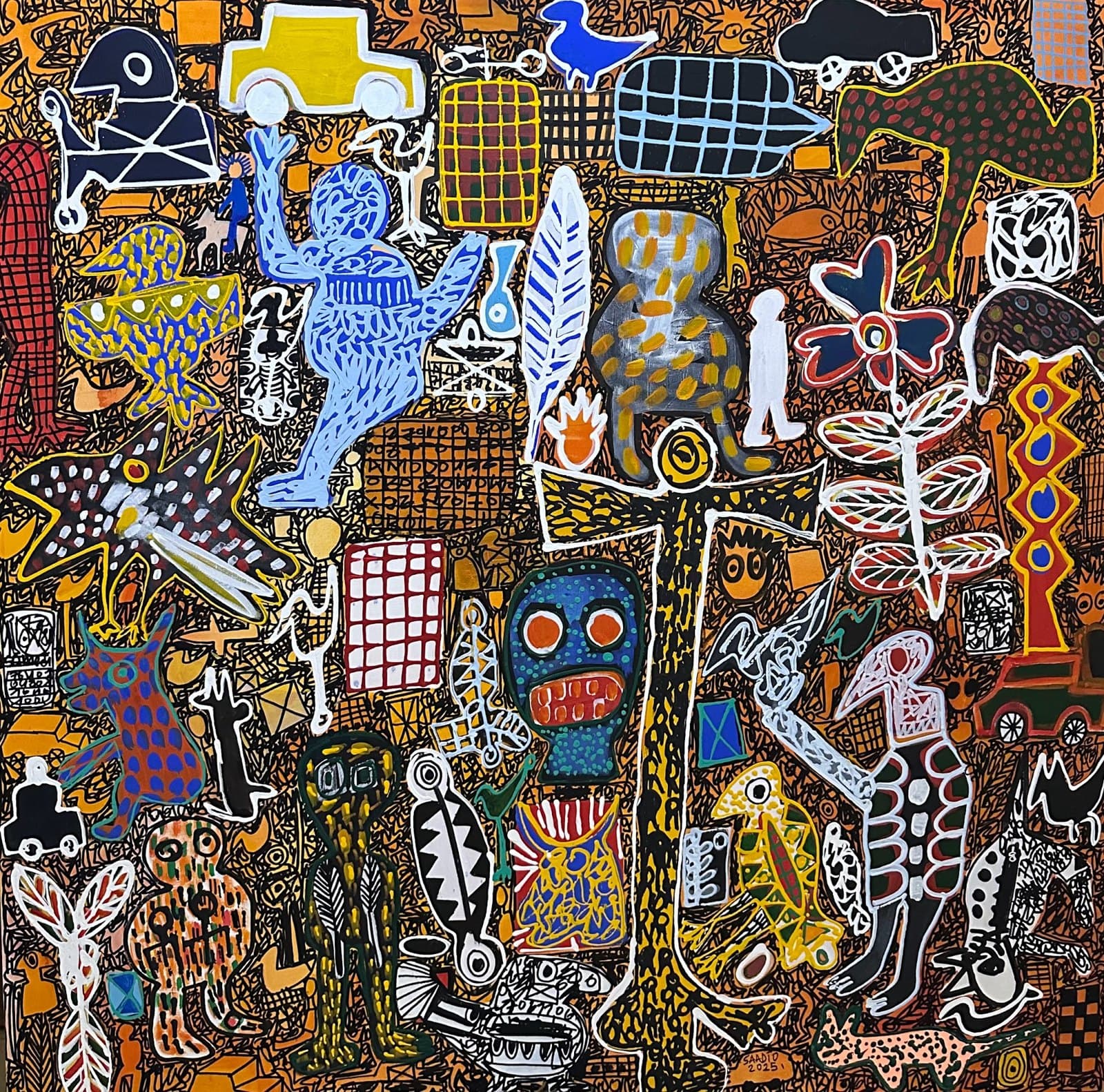
Ge'eza's gallery currently shows 74 pieces by three artists brought together for the exhibition "Lien commun" at the IFAN Théodore Monod Museum, 16 to 31 October 2025. Ibou Diagne works in oil and acrylic on canvas, with 22 pieces online, often built around market scenes. Saadio works in mixed media, acrylic and Posca, on canvas or on kraft paper shown under glass, with 30 pieces online carried by a dense graphic language of signs and figures. Tampidaro works in mixed acrylic, with 22 pieces online largely devoted to urban Dakar. Each artist page lists these works one by one: title, technique, dimensions and year.
Looking at the work to understand an artist
Rather than looking for a biography, the best way to get a sense of a contemporary Senegalese painter remains looking at their work, piece by piece. Titles, formats and years already say a lot: an artist who keeps returning to the same subject, who shifts format from one year to the next, or who works across several techniques at once. That approach, through the work rather than the personal story, matches what Ge'eza's online pages offer.
From one gallery to another
Dakar has several places to discover this contemporary scene, each with its own selection. The guide on art galleries in Dakar lists the places to know in the city, alongside Ge'eza's gallery, for anyone looking to compare approaches before choosing a piece.
Buying a piece from this generation
For anyone looking to take home a canvas by one of these artists, the price is requested from the chosen artwork's page, either online or in person. The guide on buying Senegalese contemporary art covers that process in full, from choosing the piece to receiving it, in the gallery or by shipping.
Varied techniques under one label
What stands out when browsing the online pages of these three artists is how much the word "painting" can cover very different technical realities. Ibou Diagne moves between oil and acrylic on canvas, two mediums with distinct drying times and colour results. Saadio combines acrylic with Posca, a thick-ink marker more commonly associated with graphic design than classical painting, applied on both canvas and kraft paper. Tampidaro works in what is described as mixed acrylic, an approach that leaves plenty of room for experimenting with the surface itself. That technical range, visible as soon as two artist pages are compared side by side, already says a lot about the richness of the current scene.
Format as another useful marker
Beyond technique, the formats of the pieces also say something about each artist's practice. Some works, around 50 by 50 cm, suit small-format series dealing with everyday scenes, while others, at 150 by 150 cm or 180 by 120 cm, fill an entire wall and need a subject strong enough to carry that scale. Comparing formats from one artist to another, on their pages online, gives a clearer sense of how each one builds their body of work over time, without needing a biography to form that impression.
Taking it further
For any question about an artist or a specific piece, Ge'eza's team answers over WhatsApp at +221 78 660 07 07 or by email at geezacultures@gmail.com. The gallery is open during restaurant hours, Tuesday to Sunday, 8am to 10pm.
Frequently asked questions
Is there a single movement that defines contemporary Senegalese painting?
No, the current scene brings together very different techniques and subjects, with no single label covering all painters.
Which artists are currently shown at Ge'eza's gallery?
Ibou Diagne, Saadio and Tampidaro, three artists brought together for the exhibition "Lien commun" in October 2025, with 74 pieces online in total.
How can I get to know an artist without a biography available?
By looking at their work piece by piece on their artist page: titles, techniques, formats and years already give a good sense of their practice.
Where else can I see contemporary Senegalese painters in Dakar?
Several galleries in the city show this scene, listed in the guide to art galleries in Dakar, alongside Ge'eza's gallery.