
Art · 22 October 2026
African Art at Auction: What the Sales Tell Us
Auction sales of modern and contemporary African art, with sourced figures: what they say about the market, how it differs from the primary market at galleries, and Ge'eza's own online auctions.
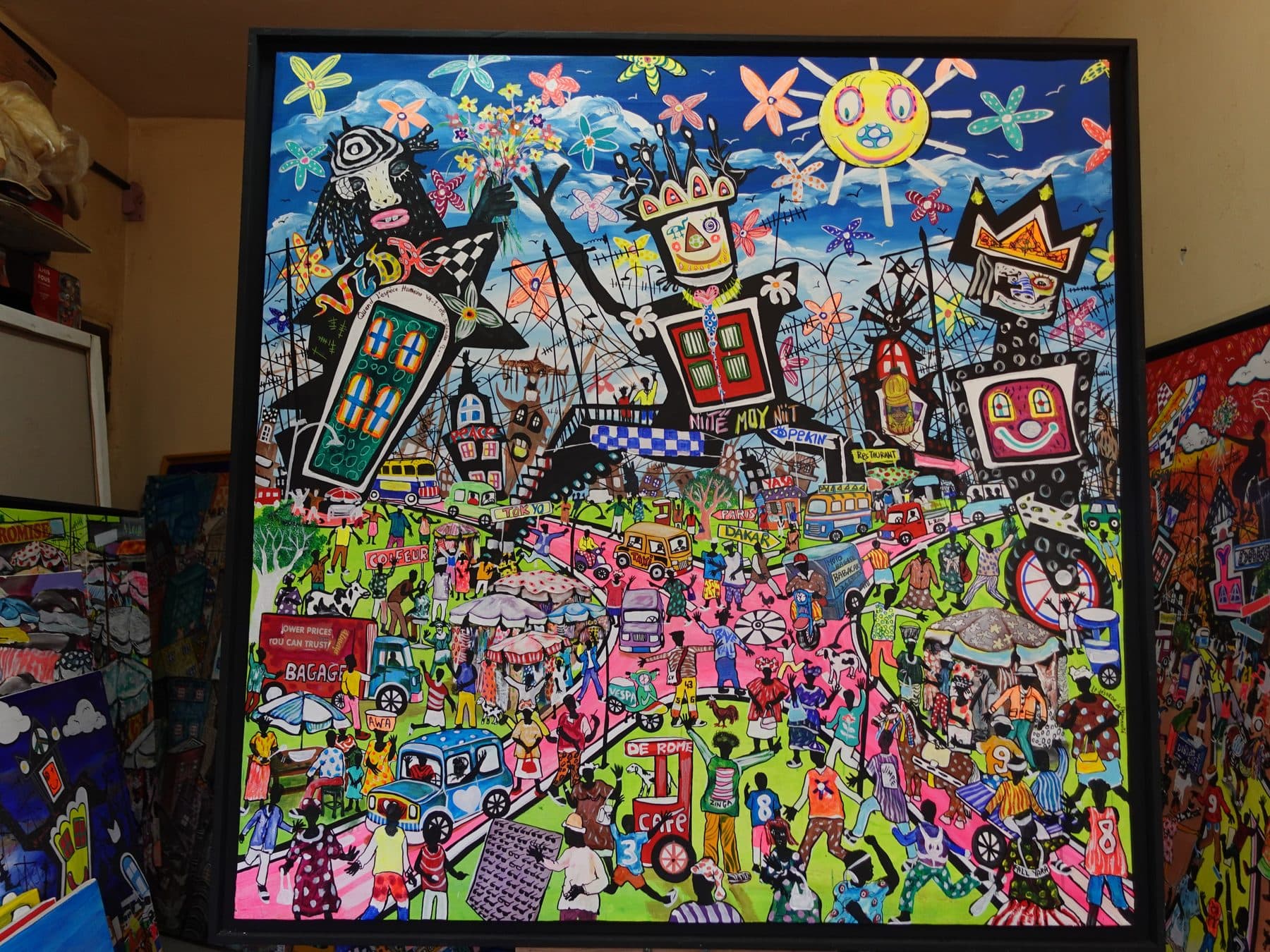
Auction sales of modern and contemporary African art reached 62.8 million dollars in 2025, up 42.6 percent year on year, after 43.9 million in 2024, according to ArtTactic. That recovery is driven mostly by modern artists and Southern Africa, and it only describes part of the market: the secondary market, resales between collectors, which is distinct from the primary market, where galleries sell works directly from living artists. At Ge'eza, both formats exist: the gallery sells on the primary market, and it also runs online auctions, with no open sale announced at the moment.
What the auction figures say about the market
The 42.6 percent rise recorded by ArtTactic in 2025 shows renewed interest in modern and contemporary African art at auction, after a more modest 2024. At the same time, Sotheby's closed its department dedicated to modern and contemporary African art in 2025, according to The Art Newspaper, while Bonhams continues to hold dedicated sales in London. These developments mostly concern works that have already been through a first sale, with an established standing, which is quite different from buying directly from a living artist at a gallery.
Primary market at galleries versus secondary market
Buying at a gallery means buying directly from the artist, at a price discussed piece by piece: that is the primary market. Auctions, whether run by an international house or online by a gallery, most often involve works that have already been sold once, or pieces put up for sale by their owner. The two markets do not compare directly: one builds an artist's career, the other reflects their standing once it is established.
One example available at the gallery
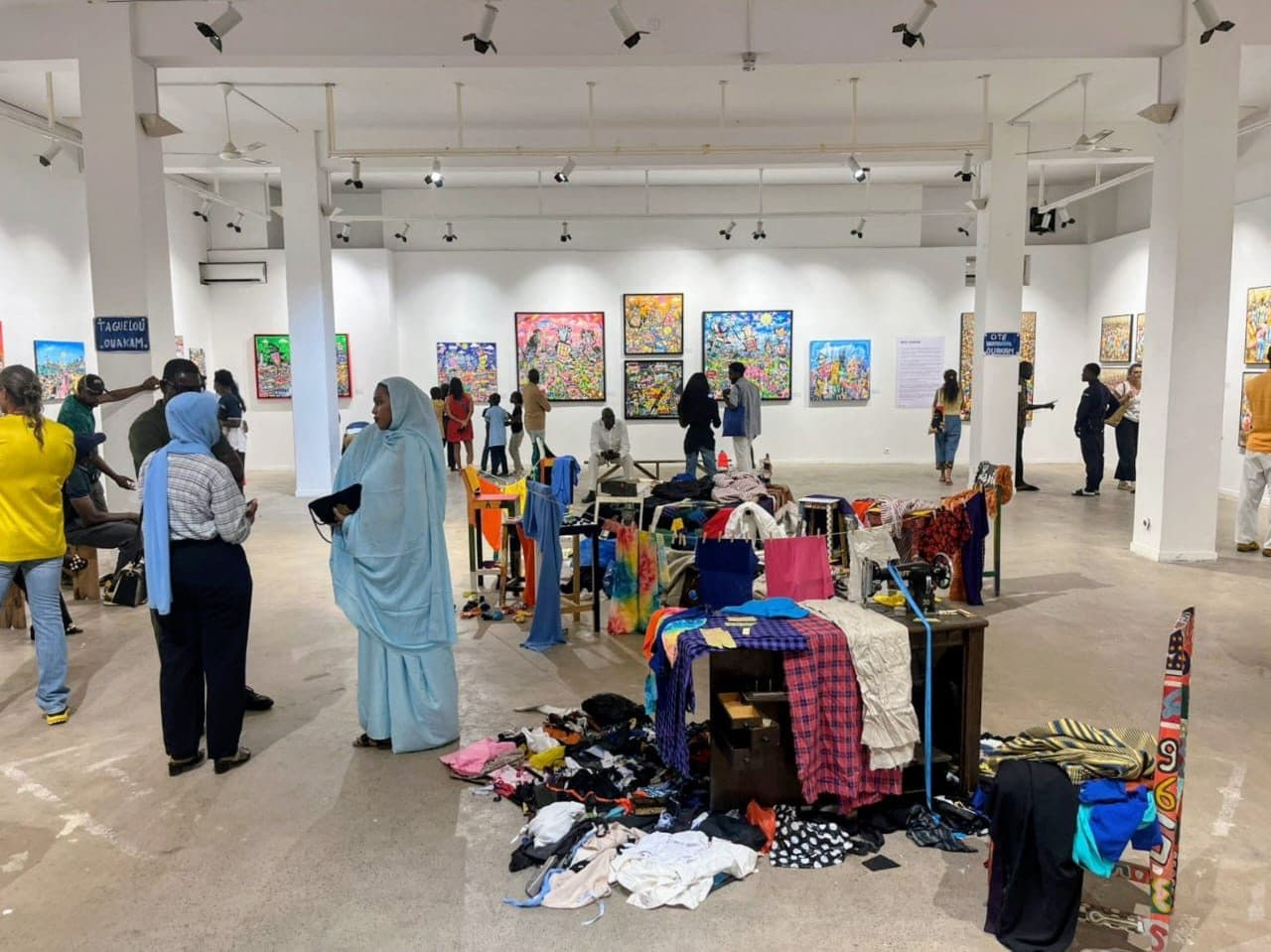
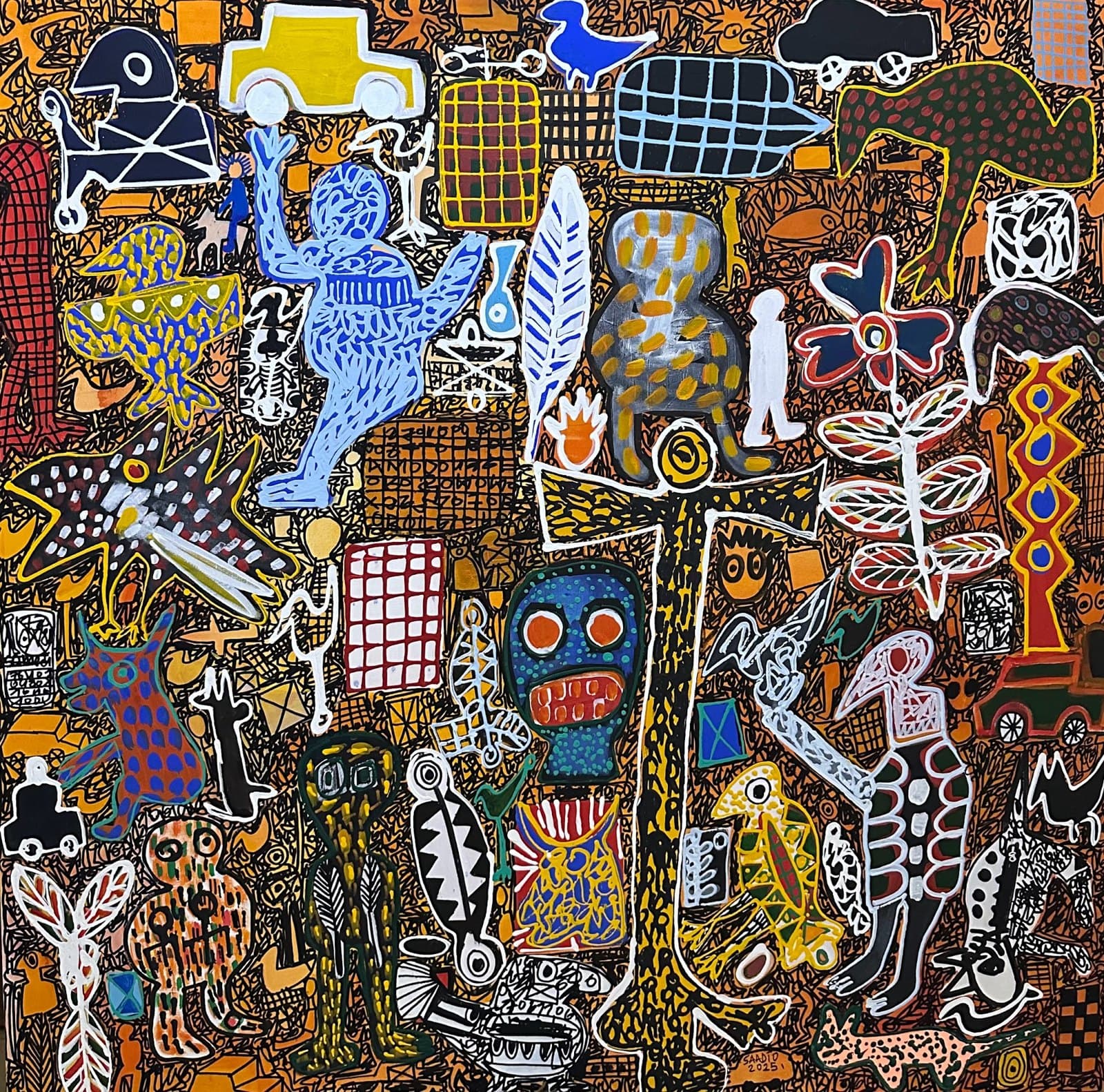
"Sans titre II (Lien commun)," an acrylic on canvas from 2025 not attributed to a specific artist, is among the works currently shown at Ge'eza's gallery, on the primary market: its price is given on request from its page.
Ge'eza's online auctions
Ge'eza's gallery runs timed online sales, with free registration, verified identity and a personal access code sent by email or WhatsApp. Each bid must beat the previous one by a set minimum, and a bid placed in the final two minutes extends the sale by two minutes, so a purchase cannot be decided at the last second without other bidders having a chance to respond. The guide on online art auctions in Dakar covers how this works, step by step. No sale is open at Ge'eza right now: upcoming ones are announced on the auctions page.
What to know before following a sale
Whether at an international auction or an online gallery sale, a few points matter: an artist's standing guarantees nothing for the future, a high hammer price for one piece does not automatically apply to the artist's other works, and an auction house's fees are often added on top of the final price. These pointers help read an auction result without drawing a hasty conclusion about the value of another piece.
What auctions tell us, and what they do not
An auction result highlights one specific piece, sold on one specific day, in front of a limited number of bidders interested that day. It says nothing about an artist's more recent work, about pieces still held at a gallery, or about the coherence of their wider output. For the artists shown at Ge'eza's gallery, who sell on the primary market, that distinction matters in particular: their works do not yet have an auction result to point to, and their prices are built differently, piece by piece, in direct dialogue with the gallery.
Building a collection beyond auctions
Following auction results gives a sense of the market, but a collection is mostly built through considered purchases, documented and followed over time. The guide on starting an African art collection covers setting a budget and documenting each piece, whether it comes from an auction or a direct purchase at a gallery.
Following an artist rather than a single result
An attentive collector follows an artist's whole body of work at a gallery, rather than a single isolated auction figure. For the artists shown at Ge'eza, that means looking at the works available today, their formats and techniques, and coming back to see new pieces over the following months, far more than waiting for a possible future auction appearance.
Checking before you buy
For any question about a piece shown at Ge'eza's gallery or about how its online auctions work, write on WhatsApp to +221 78 660 07 07 or to geezacultures@gmail.com.
A different rhythm from the primary market
Auctions move in single, scheduled events, while a gallery's primary market moves continuously, as new pieces by living artists become available throughout the year. Keeping both rhythms in mind helps make sense of where a particular piece, and its price, actually sits.
Frequently asked questions
Is the African art auction market growing?
Yes: 62.8 million dollars in 2025, up 42.6 percent year on year according to ArtTactic, a recovery driven mostly by modern artists and Southern Africa.
What is the difference between buying at a gallery and buying at auction?
At a gallery, the price is discussed directly with the artist or gallery on the primary market; at auction, the price rises between bidders on works that have already been through a first sale.
Does Ge'eza run online auctions?
Yes, timed sales with free registration and a personal access code, but no sale is open at the moment.
Does a high hammer price guarantee the value of another work by the same artist?
No, an auction result concerns one specific piece and does not automatically apply to the artist's other works.