
Event · 6 October 2026
Africa Day, 25 May: Meaning and Ways to Mark It in Dakar
25 May marks the founding of the Organisation of African Unity in Addis Ababa in 1963. What the day means, how to mark it in Dakar, and a table that links East and West Africa.
Africa Day, on 25 May, commemorates the founding of the Organisation of African Unity (OAU) in Addis Ababa in 1963. Thirty-two independent states signed its founding charter. The OAU was replaced in 2002 by the African Union, which is still headquartered in Addis Ababa. This article explains what the date means, suggests ways to mark it in Dakar and shows how a table can link East and West Africa.
What is being celebrated
In 1963, much of the continent had just gained independence or was preparing to. Gathering heads of state in Addis Ababa, the capital of a country that had not been durably colonised, carried strong symbolism. The OAU set out a project: cooperate, defend the independence of young states and support peoples still under colonial rule.
Senegal and Ethiopia were both among the states taking part in the founding. Over time 25 May became Africa Day: a moment to look at the continent as a whole, with its differences and its bridges. Our article on Ethiopia and Senegal's historic ties goes into what the two countries share.
Why Addis Ababa
Addis Ababa has remained a diplomatic capital of the continent. It hosts the headquarters of the African Union, which is why it is sometimes called the "political capital of Africa". The choice of the city in 1963 owed something to Ethiopia's history: it had kept its independence in the nineteenth century and stood as a landmark for Pan-African movements.
That is also why Ge'eza, a house founded in Dakar by an Ethiopian, recognises itself in the date: a place that connects the East and the West of the continent. Our piece on Addis Ababa and Dakar as two capitals develops the parallel.
Ways to mark the day in Dakar
There is no recipe, but a few simple gestures give 25 May some meaning.
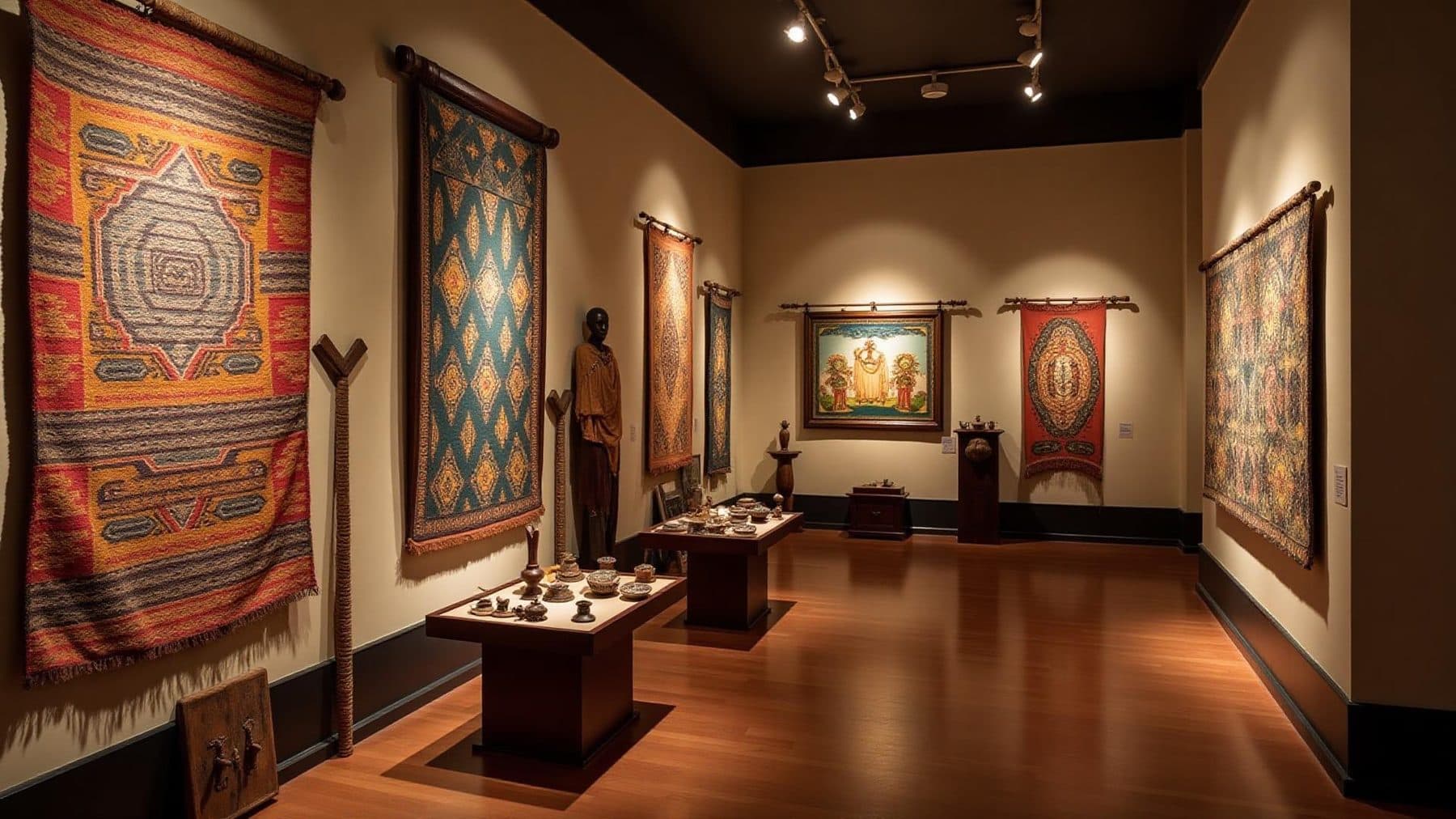
Visit an exhibition. Galleries, museums and cultural centres in the city regularly show art from across the continent. Seeing a work from another African country is a concrete way to celebrate the idea of a continent in conversation.
Listen to music from the continent. A playlist moving between East, West, North and Southern Africa, track by track, is enough to travel.
Share a meal. The cuisines of the continent say a lot about exchange, migration and borrowing. A shared meal remains a very good pretext for talking.
Read. A novel, an essay or a poetry collection by an author from another African country: simple and lasting.
A table linking East and West
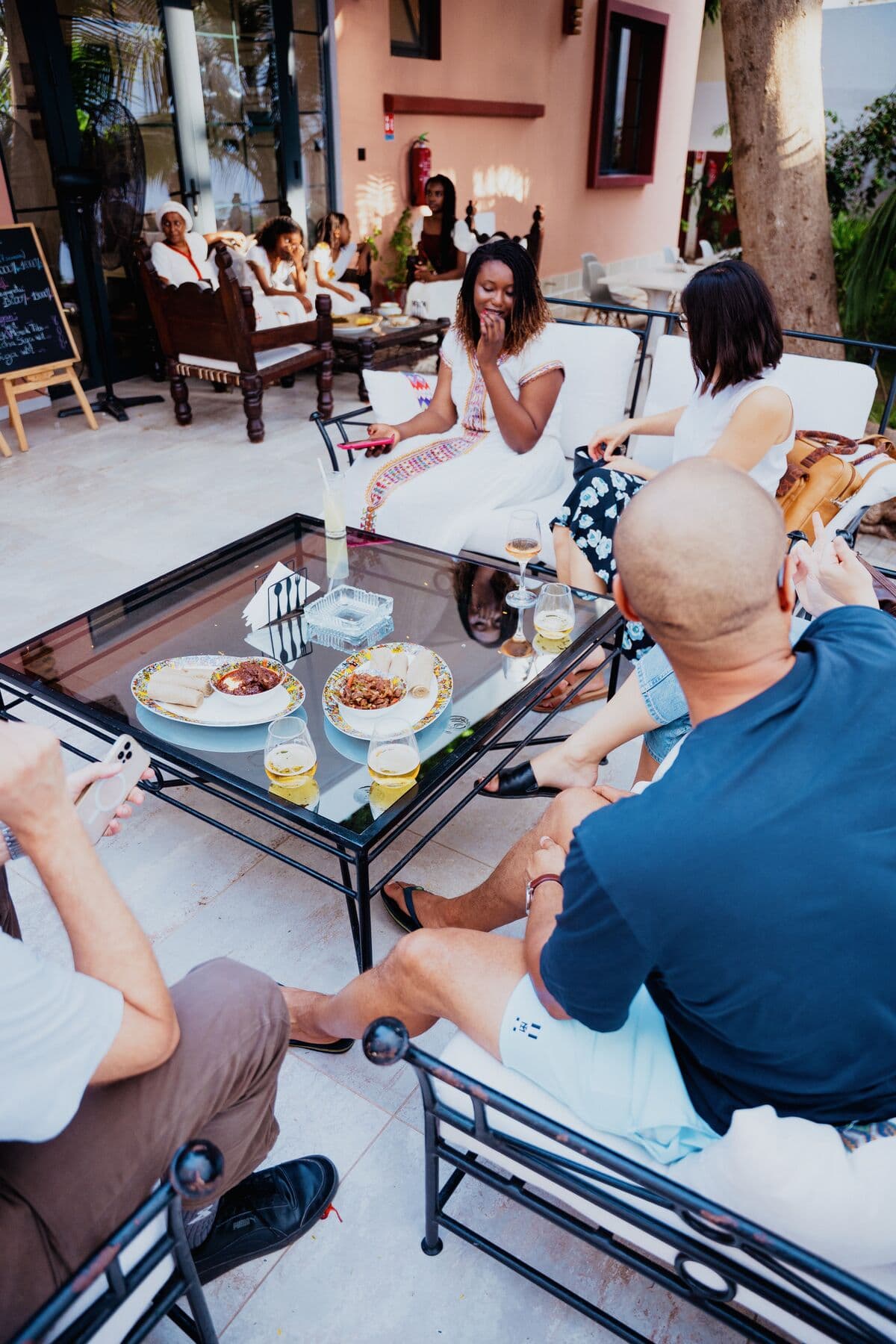
At Ge'eza the menu brings two traditions together. On the Ethiopian side: beyaynetu, which gathers seven vegan fasting dishes on one large injera (7,000 F for one person), doro wot at 8,000 F, tibs at 8,000 F. On the Senegalese side, the dish of the day, Tuesday to Friday at lunch, at 5,500 F with water or a local juice and attaya included: mafé on Tuesday, thiéboudienne on Wednesday, supou kanja on Thursday, chicken yassa on Friday.
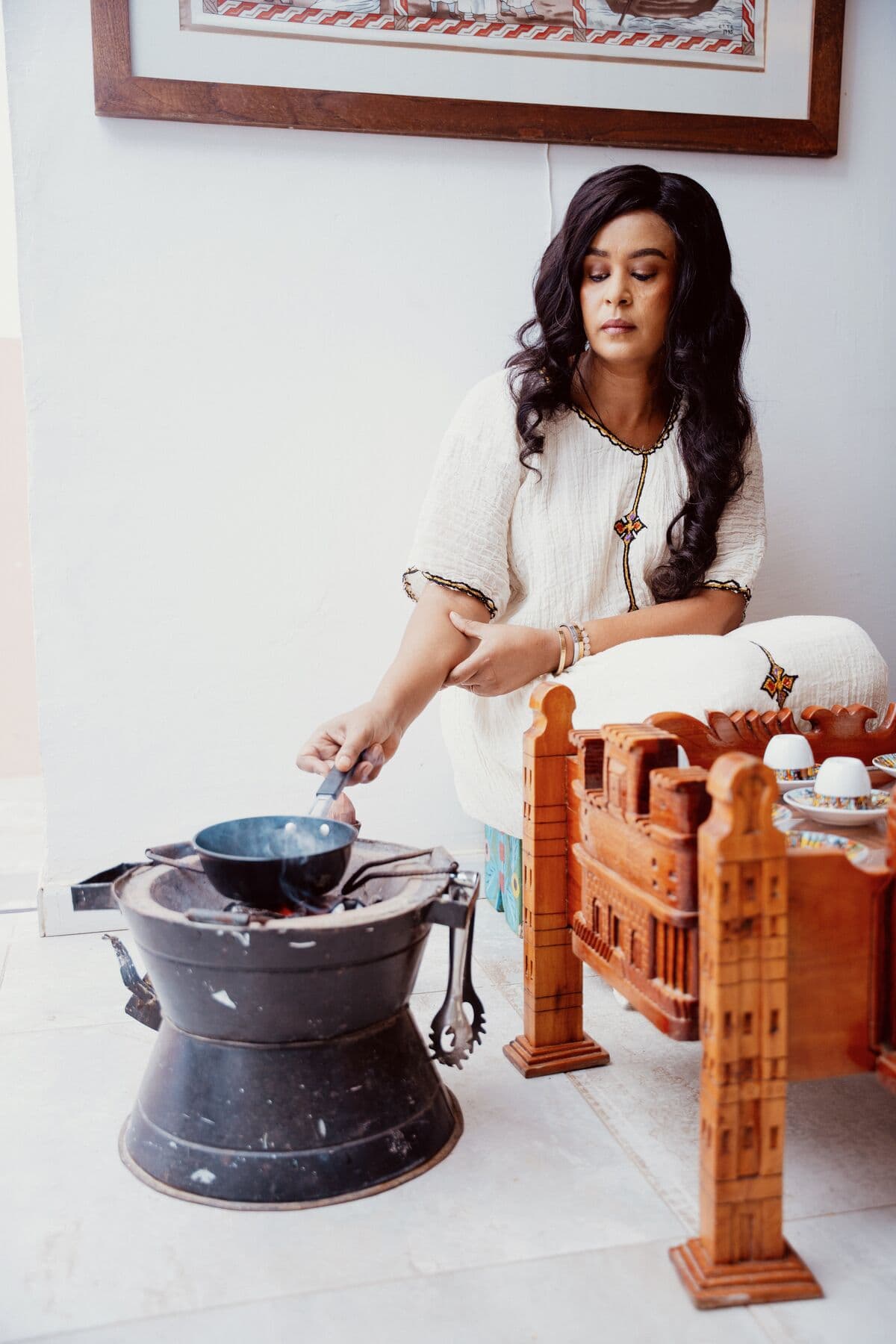
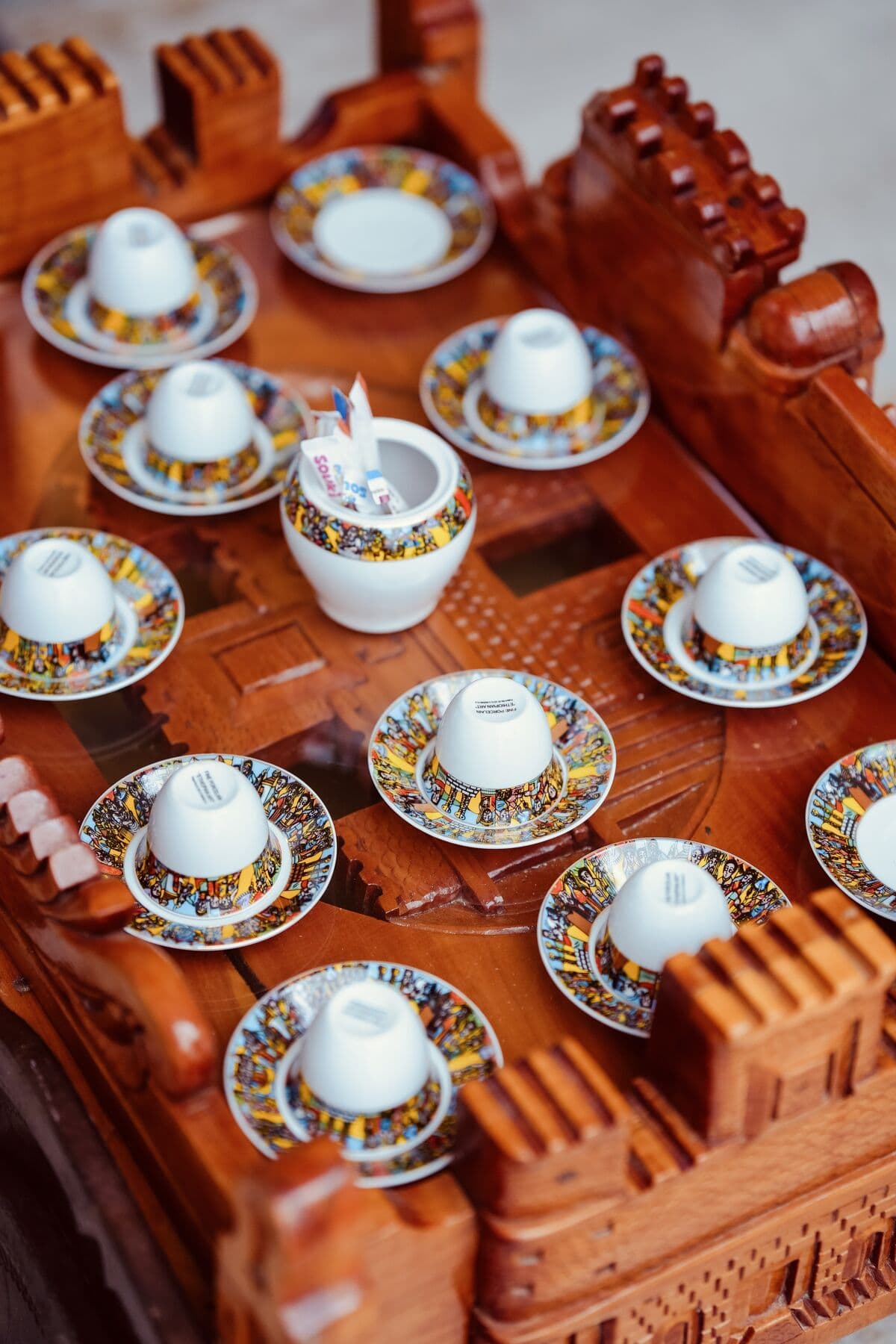
The drinks make the same bridge: bissap, bouye and ginger, 1,500 F each, sit alongside tej, Ethiopian honey wine at 3,500 F, and birz, alcohol-free honey water, at 2,000 F. To finish, the Ethiopian coffee ceremony, at 5,000 F per person, about 45 minutes in three rounds.
Nothing about this meeting is forced. Sharing a dish by hand, whether injera or the rice of thiéboudienne, is a practice that speaks to many Dakar residents. Our article on African culinary soft power explores why.
In the house
Ge'eza presents itself as a hub for dialogue between Ethiopian and Senegalese civilisations, a bridge between two Africas. The gallery brings together artists from East Africa, West Africa and the diaspora. The "A Country in the Spotlight" editions, devoted to Cape Verde and then Sudan, extended that idea by inviting other cultures of the continent.
Confirmed dates appear on the calendar page.
Visiting Ge'eza
The house is open Tuesday to Sunday, 8am to 10pm, at 656 avenue Birago Diop, Point E, and closed on Monday. For a group meal or a coffee ceremony, message on WhatsApp at +221 78 660 07 07 or book online.
One date, several readings
25 May is not experienced the same way everywhere. For some it is an institutional date, tied to the African Union. For others it is a reason to remember that you belong to a continent larger than your own country. These readings complement each other, and everyone can bring what they like to the day: a visit, a meal, a book.
In a city like Dakar, where residents come from many countries, the date has a practical side too. It is a moment when colleagues, neighbours and friends from different backgrounds find a simple reason to sit down together.
For visitors passing through Dakar, the day is also a small lesson in perspective. Seeing how residents from several countries talk about the same continent, with humour and sometimes disagreement, teaches more than a museum label. A relaxed meal is often where that happens.
Frequently asked questions
What does Africa Day commemorate?
The founding of the Organisation of African Unity on 25 May 1963 in Addis Ababa.
What became of the OAU?
It was replaced in 2002 by the African Union, headquartered in Addis Ababa.
How can I mark it in Dakar?
By visiting an exhibition, listening to music from the continent, sharing a meal or reading an author from another African country.
Does Ge'eza organise an event for the date?
The house publishes its events on the calendar page once they are confirmed.