
Art · 22 October 2026
Addis Ababa's Art Scene Today
Addis Ababa has an active contemporary art scene, carried on from Ethiopia's modern masters. A look at that scene today, and the link Ge'eza's gallery builds between Addis Ababa and Dakar.
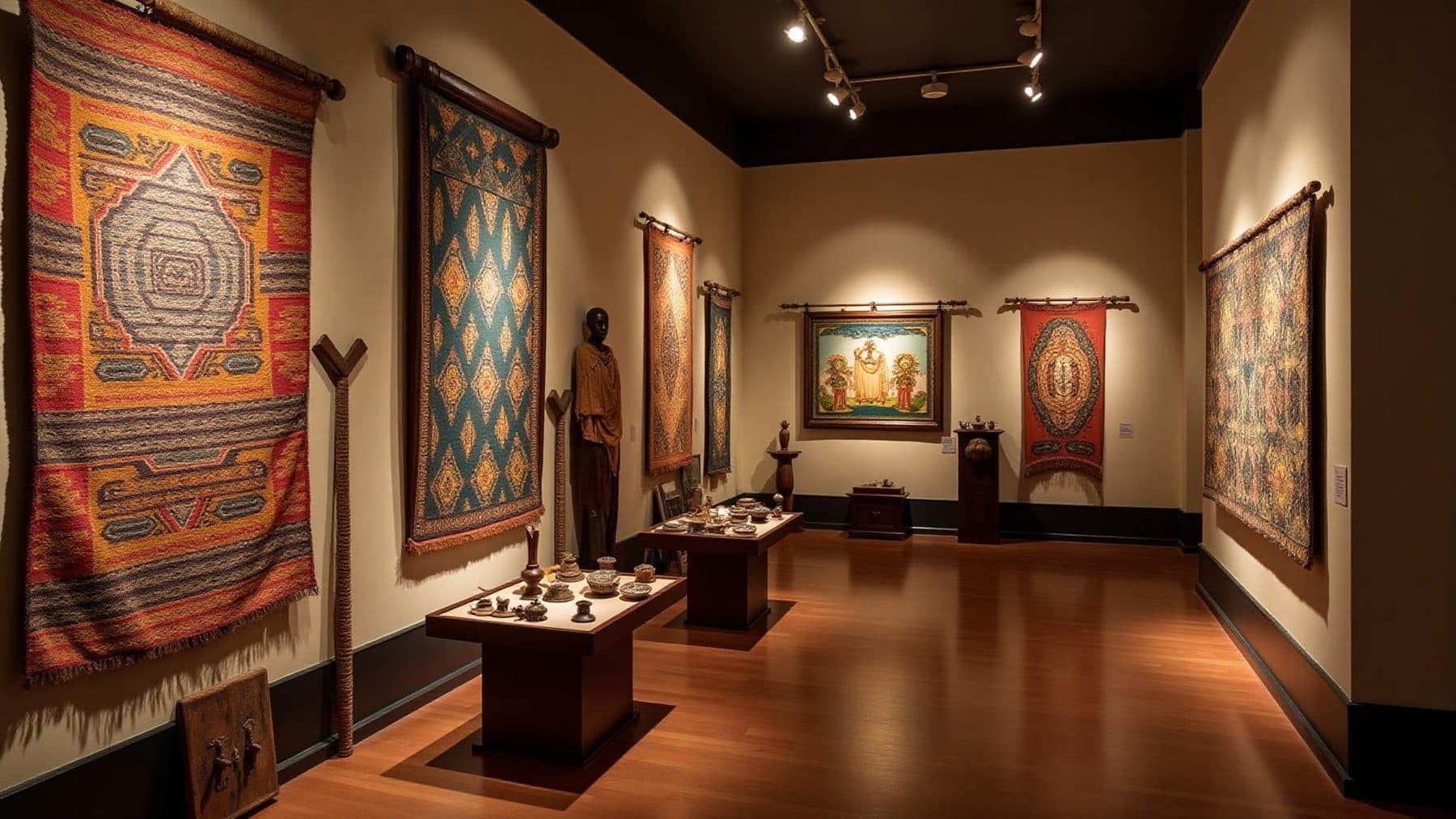
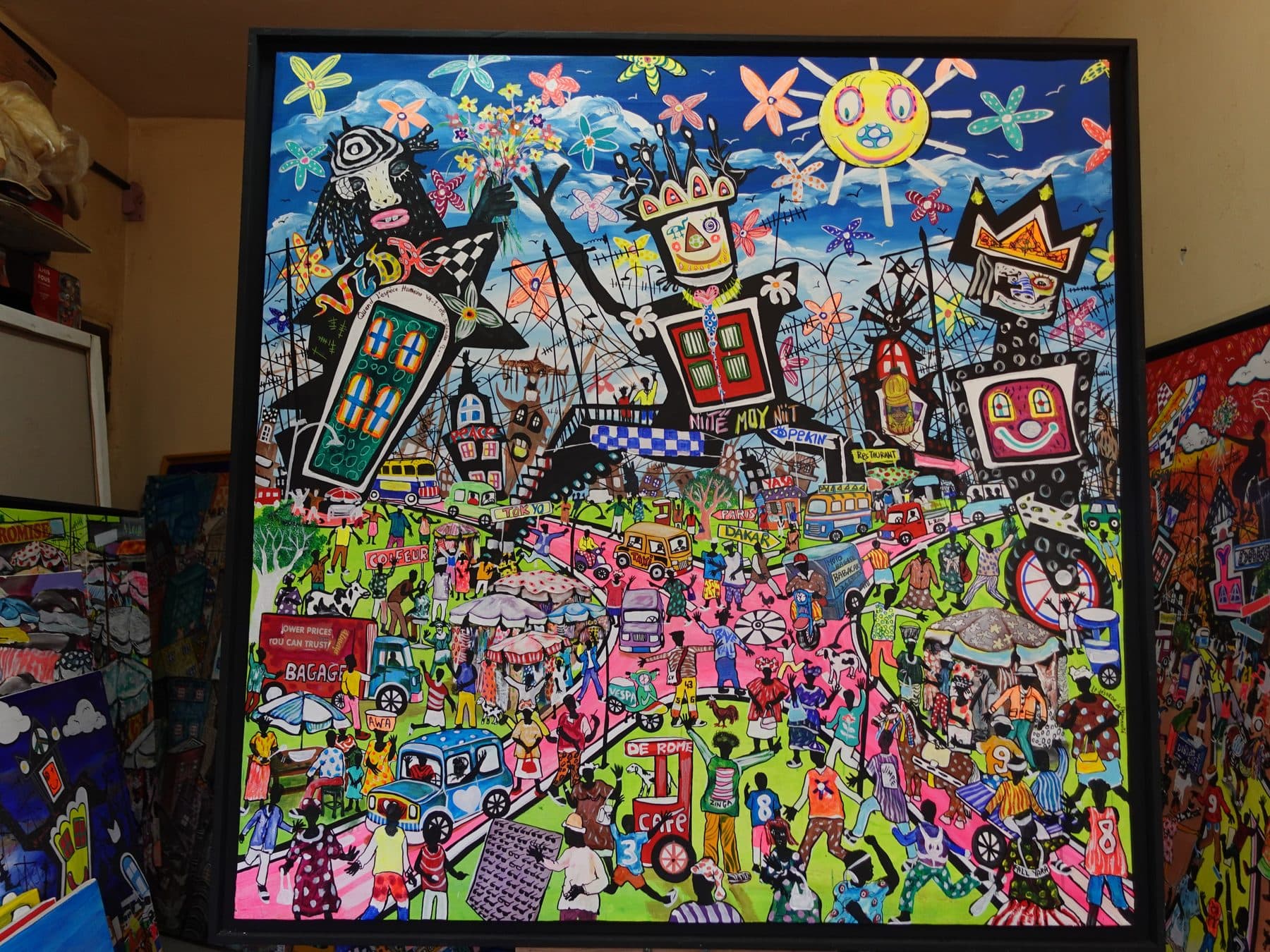
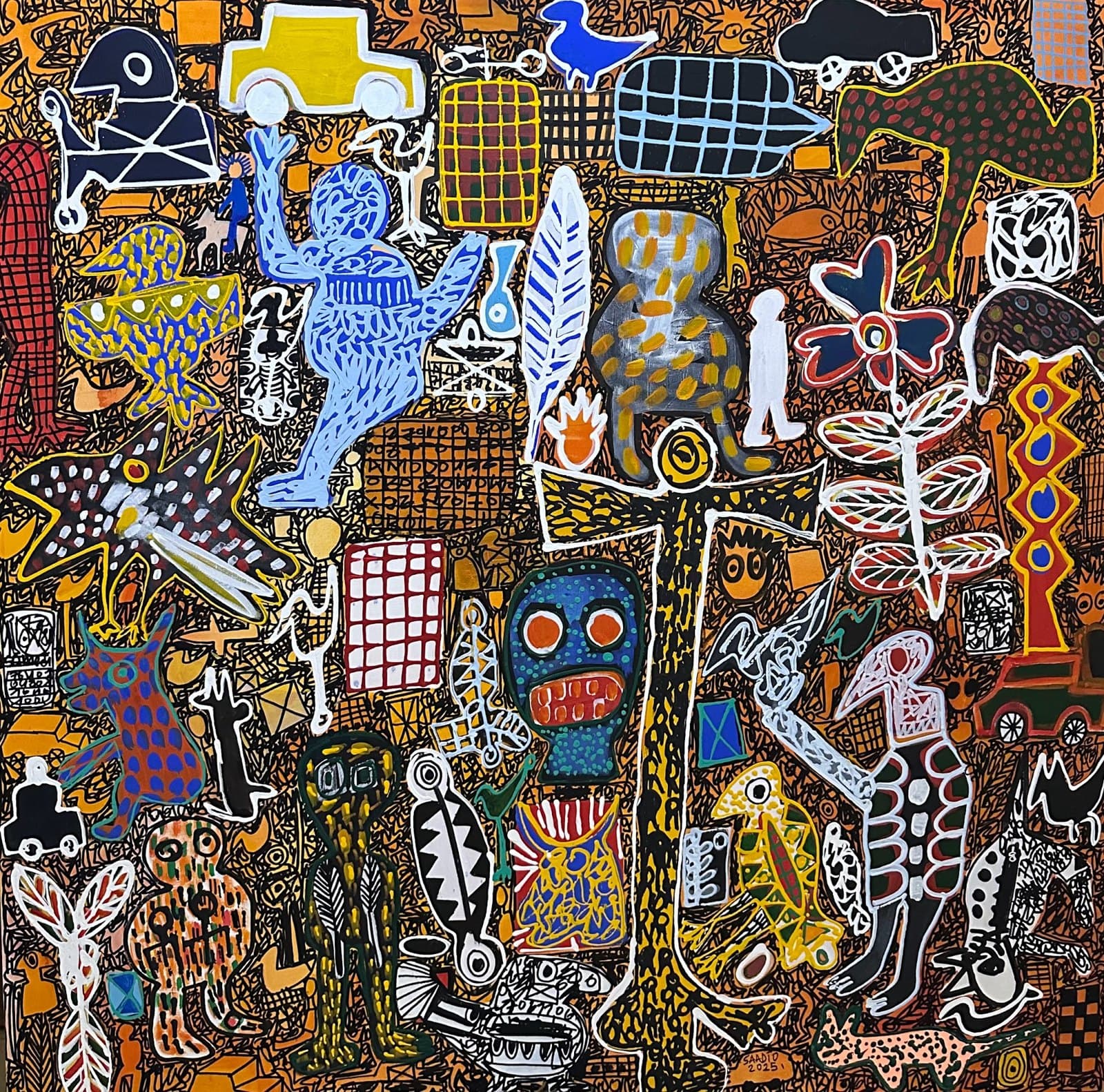
Addis Ababa, Ethiopia's capital and home to the headquarters of the African Union, has an active contemporary art scene, carried by a generation of artists, galleries and independent spaces that build on the legacy of Ethiopia's modern masters. For anyone interested in contemporary African art, it forms, together with Dakar, one of the dialogues that Ge'eza's gallery highlights, between East and West Africa.
A city that gave rise to a modern art movement
Addis Ababa was, in the 20th century, home to a generation of artists who laid the groundwork for modern Ethiopian art, bridging an old painting tradition and contemporary visual languages. That history is covered in more depth in our article on contemporary Ethiopian art, which looks at figures such as Afewerk Tekle and Skunder Boghossian, and at more recent artists such as Julie Mehretu, born in Addis Ababa and now recognised internationally.
The scene today
In Addis Ababa, that history continues today in a network of artists, galleries and independent spaces showing contemporary Ethiopian work, carrying on from its modern masters while speaking in renewed visual languages. The city also keeps an important institutional role: as the seat of the African Union and of many diplomatic missions, it draws an international audience interested in the country's culture and art.
An institutional seat that feeds the cultural scene
The presence of the African Union and of many embassies in Addis Ababa creates a particular context for culture: the city draws a diplomatic and international public, which feeds exchange and visibility for its artists beyond Ethiopia's borders. Our article on Addis Ababa and Dakar, two capitals in dialogue looks at that particular role and at what sets this capital apart from Senegal's.
The bridge Ge'eza builds in Dakar
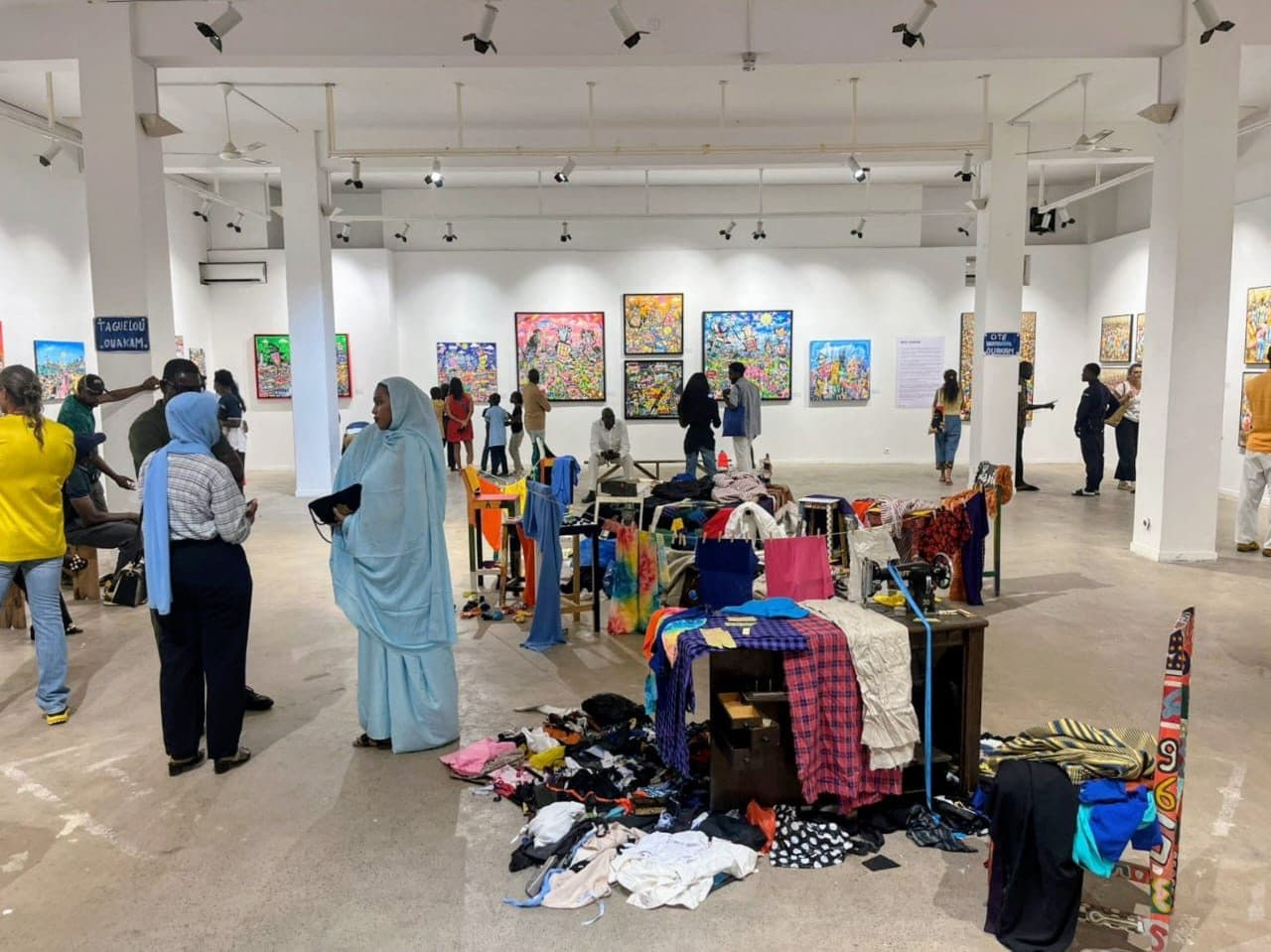
Ge'eza, in Point E, is a hub founded by Maraki Germa Bekele, built around dialogue between Ethiopian and Senegalese civilisations, "a bridge between two Africas." Its gallery shows artists from East Africa, West Africa and the diaspora, inside one villa that also houses an Ethiopian restaurant and a concept store. It is a concrete way of keeping the gaze moving between Addis Ababa and Dakar, without either scene overshadowing the other.
A capital that draws an international audience
Addis Ababa's diplomatic role has a direct effect on its cultural life: openings, residencies and talks draw an audience that goes well beyond the city's own residents, including diplomats, researchers and visitors passing through from elsewhere on the continent, Europe or North America. That steady mix of audiences gives the Addis Ababa art scene an international dimension rarely found in a city of comparable size that is not also a diplomatic capital.
Two histories, two different paces
It would be misleading to measure one scene against the other. Addis Ababa carries an already established artistic modernity, recognised beyond Ethiopia for decades, while the Dakar scene is organised today around a biennale and a network of private galleries that took its current shape more recently. Comparing the two is not about deciding which is "ahead," but about understanding two distinct cultural trajectories, shaped by different contexts, which now meet in one place in Dakar.
What a visitor or collector can take from this
For anyone interested in the full range of contemporary African art, following both Addis Ababa and Dakar makes clear how differently regional scenes can develop: an older modernity, internationally recognised, on one side; a scene organised today around a biennale and private galleries, on the other. The two complement each other more than they compete, and a venue like Ge'eza's gallery is a concrete example of that, in Dakar.
Seeing this dialogue at Ge'eza's gallery
Ge'eza's gallery, at 656 avenue Birago Diop in Point E, is open at the restaurant's hours, Tuesday to Sunday, 8am to 10pm, closed Mondays. The works currently on show are available to buy, with a price given on request from each artwork's page. It is a good starting point for understanding, through a concrete example, what a dialogue between two Africas can look like, before exploring either scene further.
Keeping up with both scenes
Following Addis Ababa and Dakar in parallel mostly takes consistency: track galleries and independent spaces in each city, follow their announcements, and keep a list of artists you are interested in across both scenes. It is also a good way to plan a future trip, whether to Addis Ababa or to Dakar.
Coming to see the work
For any question about the works currently on show at Ge'eza's gallery, write on WhatsApp to +221 78 660 07 07 or email geezacultures@gmail.com, or stop by Point E during opening hours.
Frequently asked questions
What defines Addis Ababa's art scene?
A legacy of 20th-century Ethiopian modern masters, carried on today by artists, galleries and independent spaces, in a city that also hosts the African Union's headquarters.
Who are the major figures of Ethiopian modern art?
Afewerk Tekle and Skunder Boghossian are among the most cited names; Julie Mehretu, born in Addis Ababa, carries that history forward on the international stage.
How does Ge'eza link Addis Ababa and Dakar?
Its gallery shows artists from East Africa, West Africa and the diaspora in one space, in Point E, in the spirit of a bridge between two Africas.
Can you see Ethiopian work at Ge'eza's gallery?
The gallery shows artists from East and West Africa depending on its programme; ask the team about what is currently on display.