
Dakar · 22 October 2026
Museum of Black Civilisations, Dakar: Visit and Collections
The Museum of Black Civilisations, which opened in Dakar in 2018, is devoted to African civilisations and the diaspora. What to know about its purpose, visiting tips, and a private gallery to pair it with.
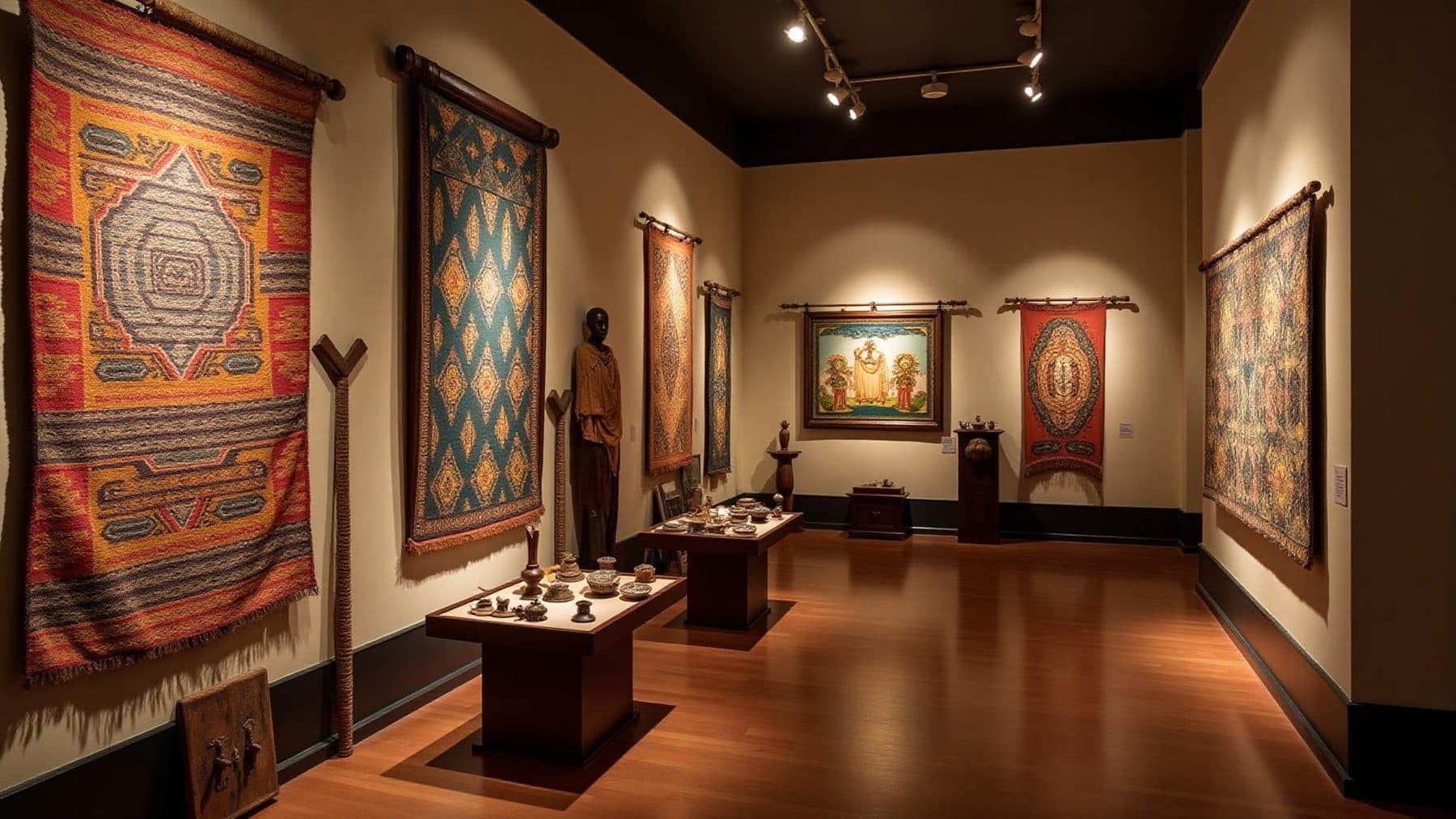
The Museum of Black Civilisations, which opened in Dakar in 2018, is a national museum devoted to African civilisations and those of the diaspora, from prehistory to contemporary creation. It is a common first stop for anyone who wants to grasp, in a single visit, the depth of history that today's Senegalese art scene carries forward.
A wide remit, from prehistory to the contemporary
The museum was designed to cover broad ground: the origins of humankind, the continent's great civilisations, the paths of the diaspora, right up to the most current work being made. That ambition sets it apart from a classic art museum: archaeology, history and art sit side by side in a single visit. Opening hours, admission fees and which rooms are open to the public can change, so we do not list them here, and recommend checking directly with the museum before travelling.
A relatively young institution with a long reach
Although the museum itself only opened in 2018, the history it covers stretches back far further, which is part of what makes a visit feel bigger than the building's age might suggest. Visitors sometimes expect a newer museum to feel smaller in scope than an older institution, but here the opposite is true: the breadth of the subject matter, not the age of the building, is what sets the scale of the visit.
Why this museum matters for today's art scene
A museum of this scale gives a frame to the contemporary creation you see elsewhere in the city's galleries. Senegalese artists working today are often acutely aware of this long history, even when their work moves away from it formally. Visiting the museum before a private gallery helps situate what you see afterwards.
What you might expect to find there
A museum devoted to Black civilisations, from prehistory to contemporary creation, necessarily covers very different fields: archaeology, the history of Africa's major civilisations, the paths of the diaspora, and space given to current work. That breadth also means what is on offer can change over time, depending on temporary exhibitions and which rooms happen to be open to the public at any given moment. It is one more reason to check current information directly with the museum before travelling, rather than relying on a fixed description.
Planning your visit
A few general tips, useful for visiting any major museum.
- Allow enough time: a proper visit usually takes one to two hours, more if you want to see everything.
- Pick a thread rather than trying to cover it all: a period, a region, a type of object.
- Ask questions on site, museum staff can help place pieces in context.
- Check opening hours and access conditions before you go, since these can change.
- Plan your travel around Dakar's traffic, which can be heavy at certain times of day.
A museum sized to match its ambition
The scale and ambition of the museum also mean that a single visit does not always cover everything. Rather than trying to take in the whole route in one go, many regular Dakar visitors prefer to come back several times, each time with a different angle: a historical period, a region of the continent, or a particular temporary exhibition. That approach suits a place designed to be explored in stages rather than all at once.
Combining the visit with other venues in the city
The museum pairs well with a half day or a full day devoted to art and culture in Dakar. Our guide 48 hours in Dakar offers a wider itinerary for visitors with two days, folding this kind of institutional visit into a broader route.
Pairing it with a private gallery
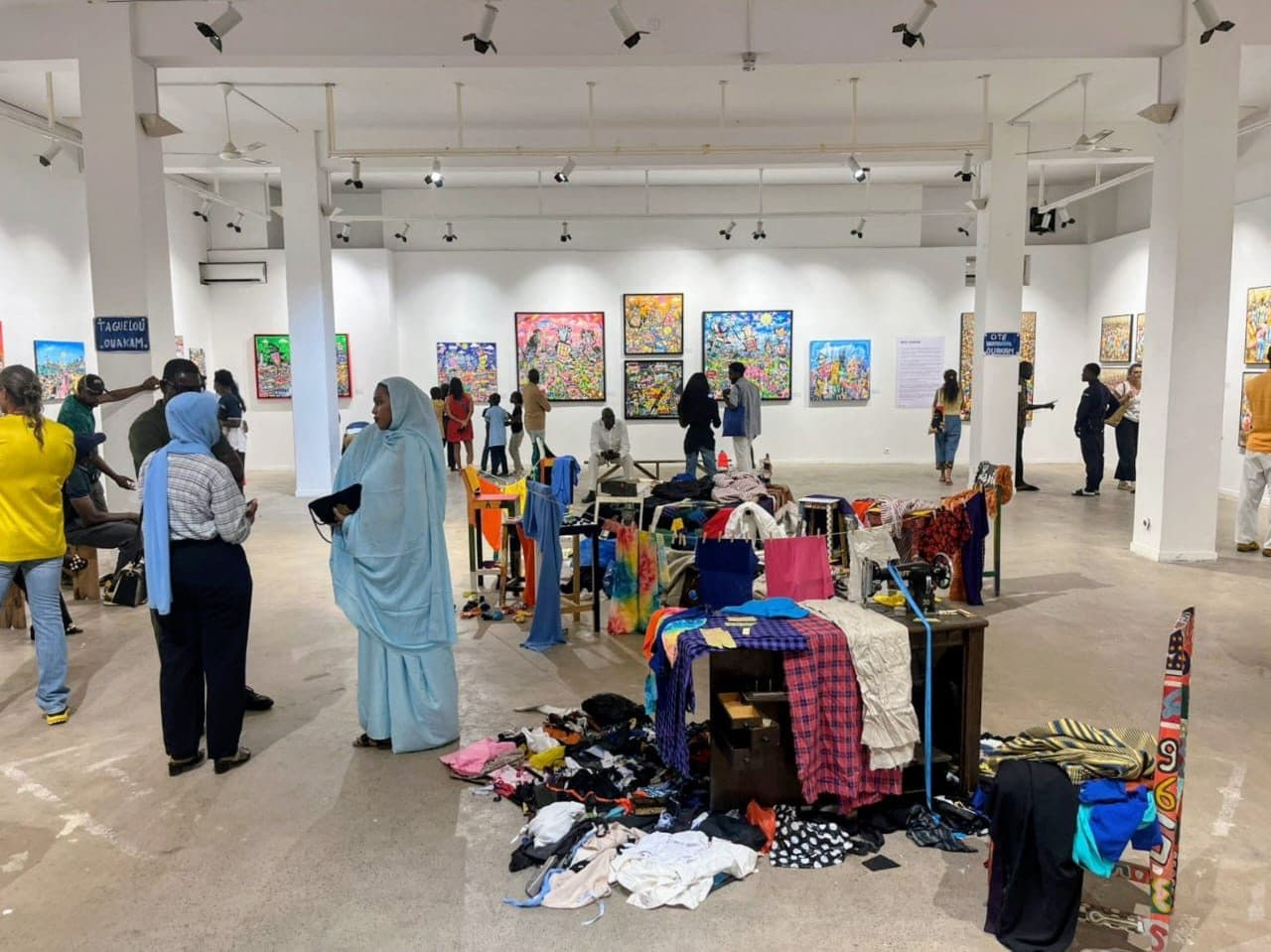
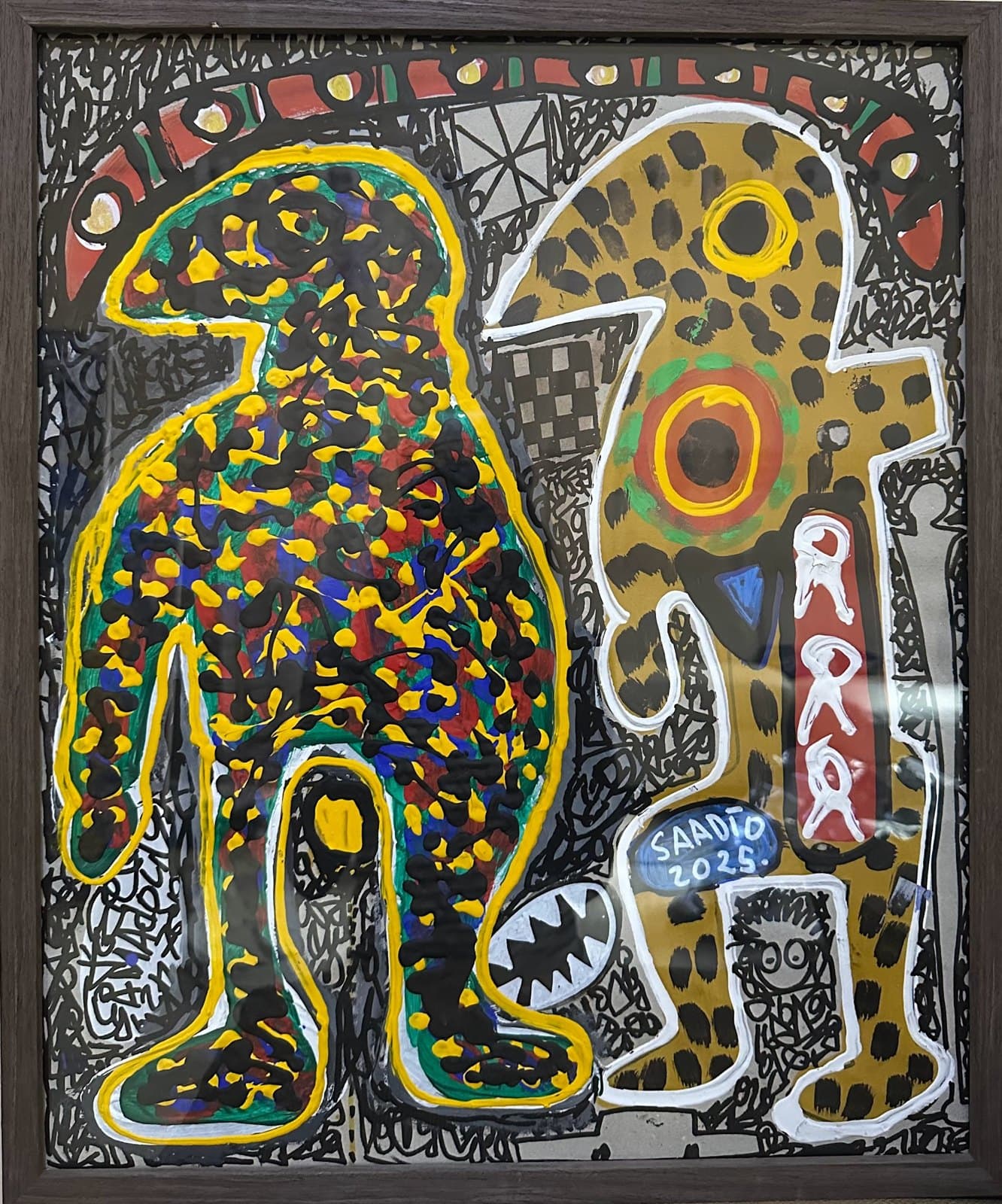
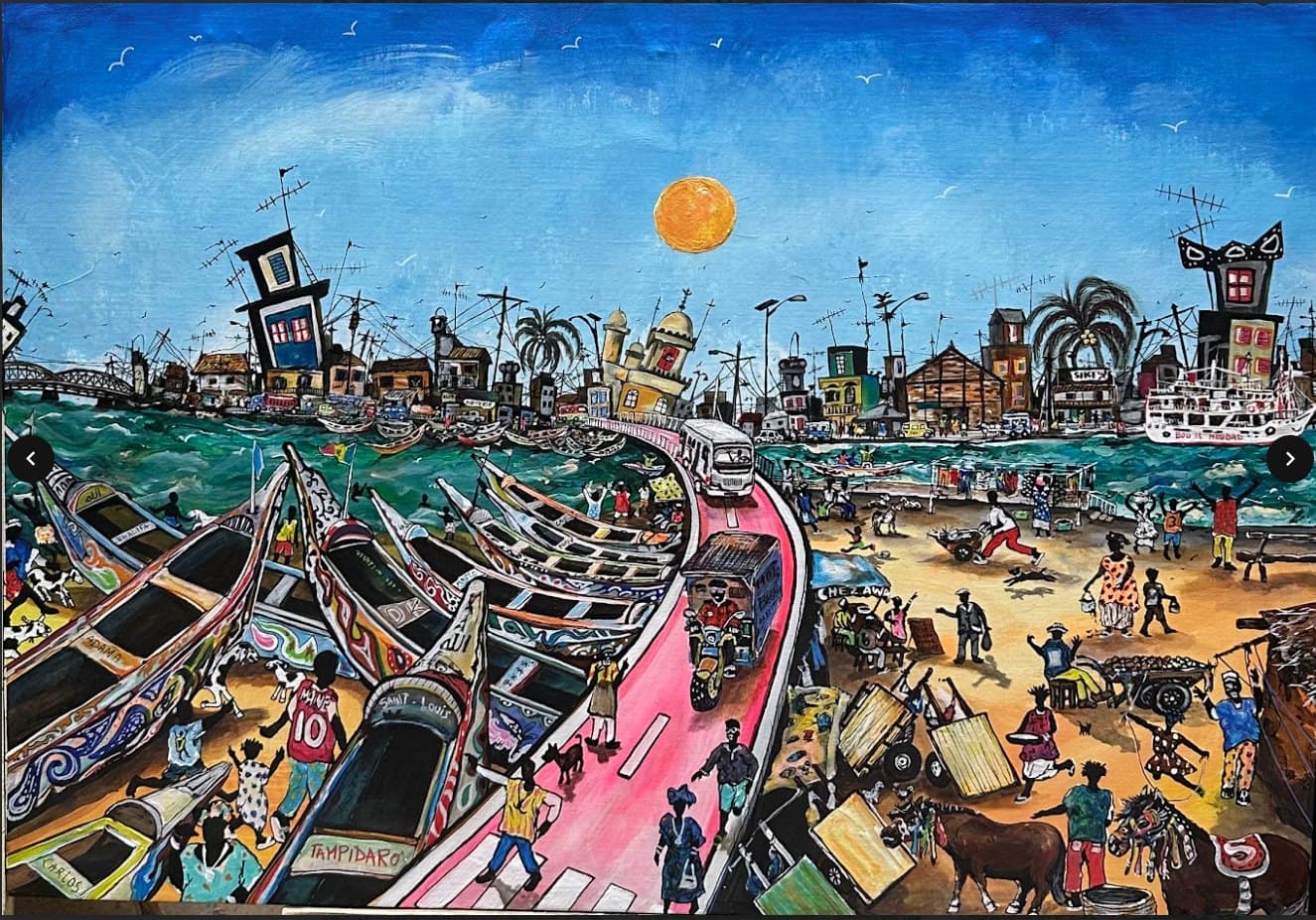
A museum preserves and explains a long history; a private gallery shows today's creation and, where relevant, lets you buy a piece. The two complement each other naturally. In Point E, Ge'eza's gallery shows artists from East Africa, West Africa and the diaspora, with works available to buy and a price given on request from each artwork's page. For a broader look at the city's art venues, our guide to art galleries in Dakar covers this private offer, institutions included.
A day between museum and gallery
A simple formula: spend the morning at the museum, then head to Point E around midday for lunch and a look at Ge'eza's gallery, open Tuesday to Sunday, 8am to 10pm, closed Mondays. This route lets you move, in a few hours, from a long, collective history to contemporary work you can look at up close, and sometimes bring home.
For families and groups
A museum of this size works best in a small group, with a clear theme in mind rather than an aim to see everything. A few rooms looked at properly are often worth more than a full route rushed through. Groups wanting to extend the day with lunch or a break will find a fitting setting on Ge'eza's terrace and gallery lounge in Point E.
Before you go
For any question about the works on show at Ge'eza's gallery to pair with your museum visit, write on WhatsApp to +221 78 660 07 07 or email geezacultures@gmail.com.
Frequently asked questions
When did the Museum of Black Civilisations open?
In 2018, in Dakar.
What is the museum's purpose?
It is devoted to African civilisations and those of the diaspora, from prehistory to contemporary creation.
What are the museum's opening hours and admission fees?
These can change: check directly with the museum before travelling.
Can you pair the visit with a private gallery?
Yes, Ge'eza's gallery in Point E shows contemporary artists with pieces available to buy, at the restaurant's hours.