
Art · 22 October 2026
African American Collectors and Senegal: A Link Through Art
For many African American collectors, Senegal is a place of memory as much as a living art scene. Travelling to Dakar, meeting today's artists, and buying directly from them rather than through a distant intermediary.
For many African American collectors, Senegal is not just another art destination: it is a country where memory and art meet, especially around Gorée Island, a UNESCO World Heritage site since 1978 for its history tied to the transatlantic slave trade. That particular connection to Dakar leads more and more travellers to pair a visit to sites of memory with meeting living Senegalese artists, and to buy directly from them rather than through a distant intermediary.
A trip that blends memory and the present
Gorée remains, for many, a stop loaded with meaning: the House of Slaves and the Door of No Return are visited every year by travellers from the United States for whom the place carries personal resonance. But today's Senegal is not limited to that past. Dakar is a city with an active contemporary art scene, found in galleries, artists' studios and places such as the Village des Arts. For an African American collector, extending a visit to Gorée with a meeting with working artists ties the country's memory to its present-day creativity.
Why buy directly from living Senegalese artists
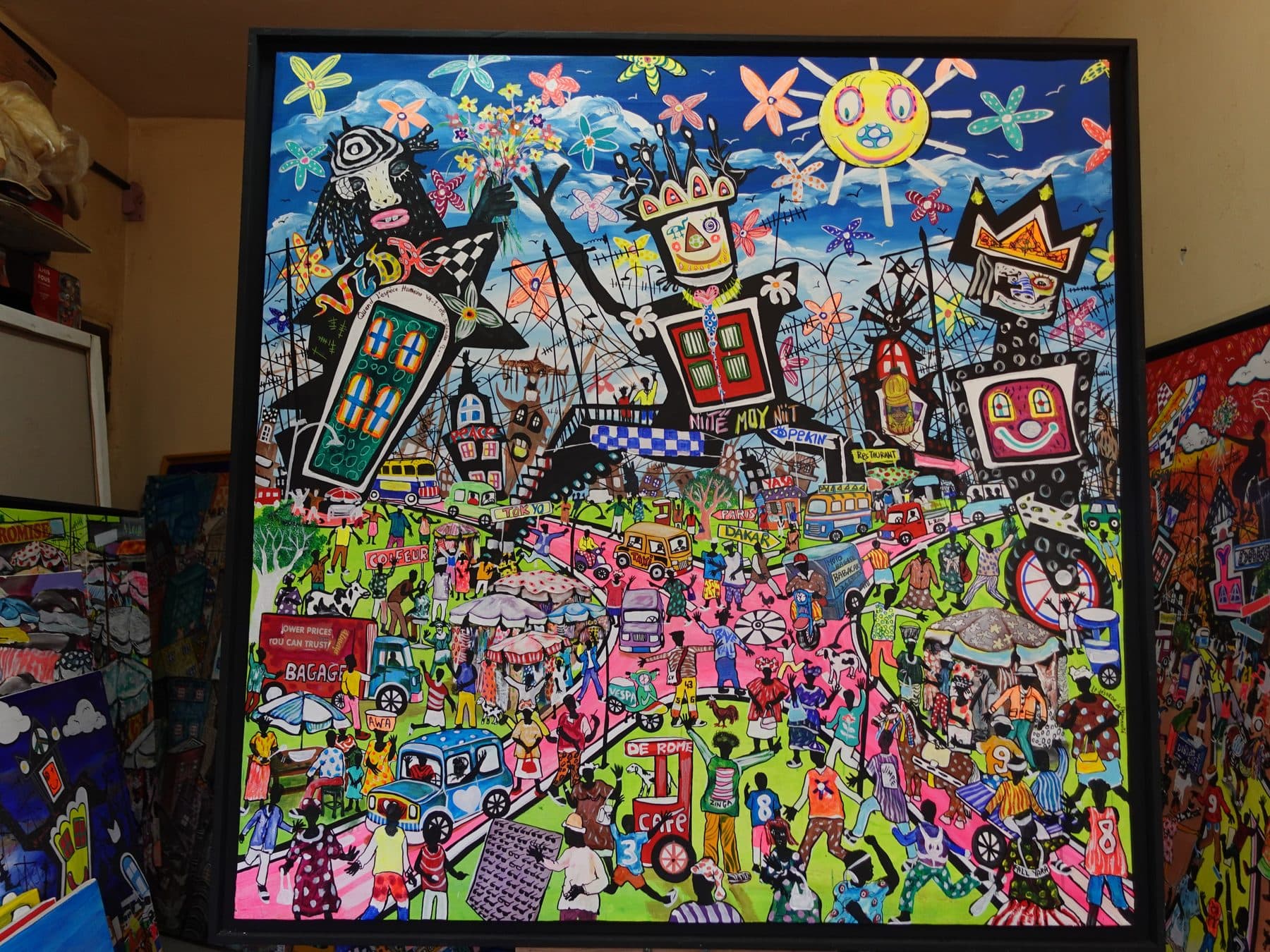
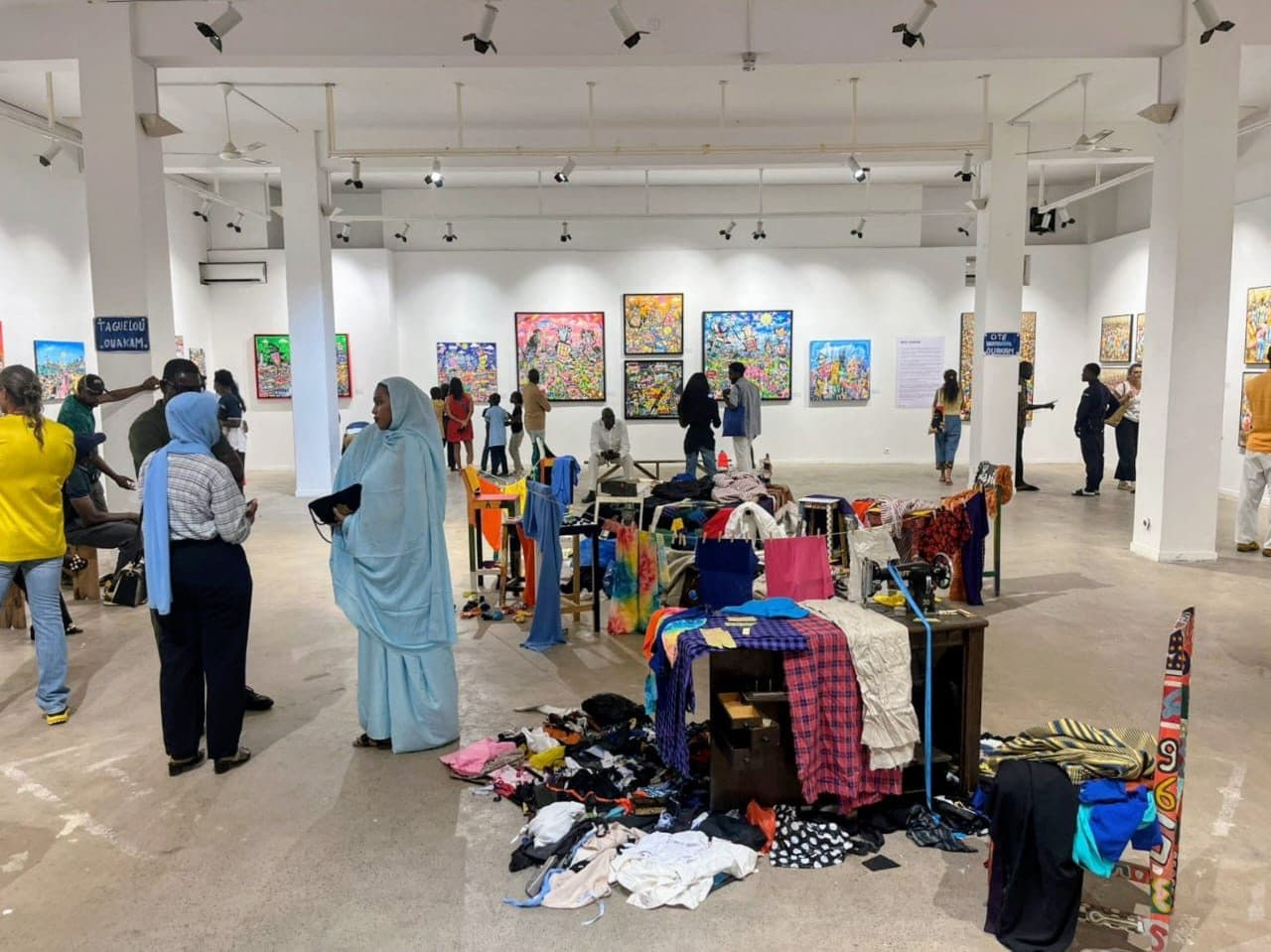
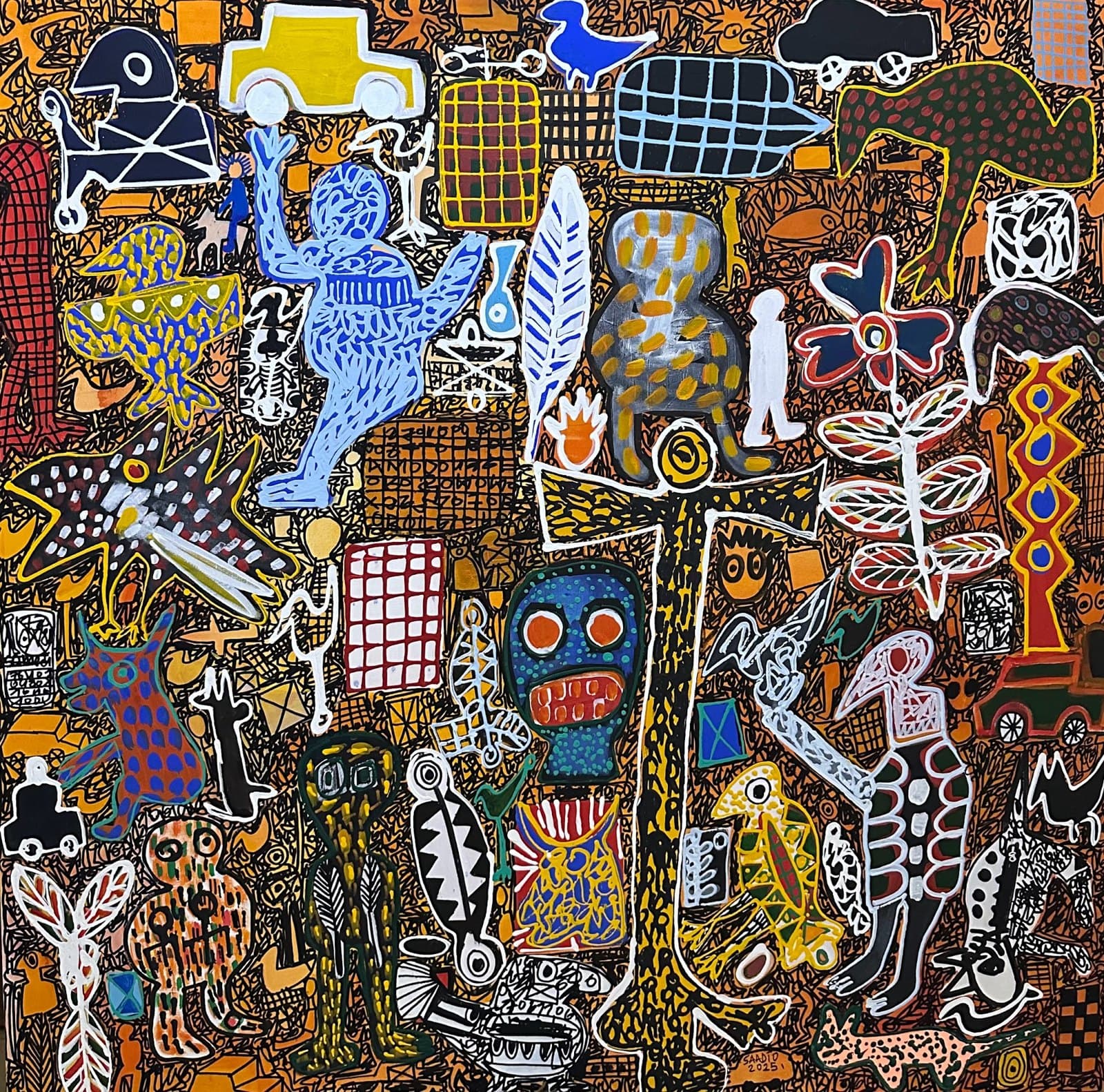
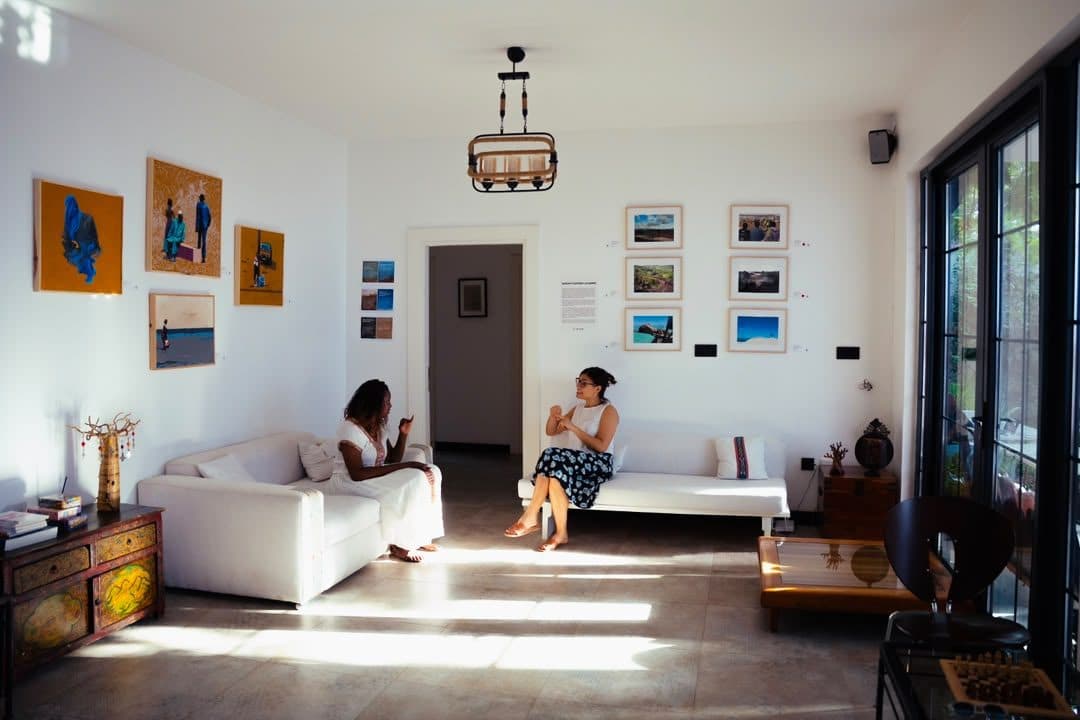
Buying a piece from a living Senegalese artist, through an established Dakar gallery, creates a direct link to the country's art scene, something more concrete than an online purchase made from abroad without context. Ge'eza's gallery, set inside a villa at Point E, shows work by Ibou Diagne, Saadio and Tampidaro, three artists brought together for the exhibition "Lien commun" at the IFAN Théodore Monod Museum in October 2025. For anyone travelling with that intention, seeing their canvases in person before deciding remains the best way to choose a piece that genuinely matters.
Planning the Dakar leg of the trip
A trip to Dakar centred on art and memory can be built around a few stops: the sites tied to Gorée's history, one or two private galleries, and a lunch or dinner at a place that combines several of those uses. The guide on 48 hours in Dakar offers an itinerary for a short stay, adaptable to however much time is available. The guide on art galleries in Dakar lists the places to know for seeing the city's art, including Ge'eza's gallery at Point E.
Seeing the work before choosing
As with any art purchase, it is worth taking time to look at several canvases before deciding. Each artist's page online gives the work's exact title, technique, dimensions, year and status, which makes it possible to plan a visit in advance and focus on the pieces of most interest. Once there, Ge'eza's gallery lounge can be visited without an appointment, during restaurant hours, Tuesday to Sunday, 8am to 10pm.
Asking for the price and arranging the purchase
Prices are not displayed online: they are given on request from the artwork's page, or directly from the team on site. For a collector heading back to the United States afterward, the piece can be carried home in a suitcase if the format allows, or shipped later on request for a quote. The guide on buying Senegalese contemporary art covers this process in more depth, from choosing a piece to receiving it.
Beyond Dakar, attention spans several scenes
Senegal is not the only destination that draws African American collectors looking for this double movement between memory and creation. Other countries on the continent run comparable programmes, and it is not unusual for the same traveller to pair a stop in Dakar with a visit to another African city, depending on the exhibitions or cultural events taking place at the time. What sets Dakar apart is the close proximity between its sites of memory, concentrated on an island easily reached from downtown, and an art scene that can be visited within the same day.
Allowing time for each part of the trip
A trip planned as a quick there-and-back inevitably limits what can be seen. Setting aside half a day for Gorée, then another block of time, later in the stay, for galleries and artists' studios, lets each part of the trip unfold without rushing. That pacing suits a collector who genuinely wants to take the time to look at a piece before deciding to buy it, rather than choosing it in a hurry between two visits.
A connection that continues after the trip
Many collectors who buy a first piece during a trip go on to follow the artist's work as it evolves, even from a distance, by checking new pieces listed online. That connection, built in Dakar and carried on from the United States or elsewhere, matches what many diaspora collectors are looking for: a collection that keeps a personal story, not just an investment.
Before you travel
To plan a gallery visit during a trip to Dakar, or to ask for the price of a piece ahead of time, write to +221 78 660 07 07 or to geezacultures@gmail.com. The team can help build the visit around the rest of your itinerary.
Frequently asked questions
Why does Senegal particularly draw African American collectors?
The country combines sites of memory such as Gorée, a UNESCO World Heritage site, with an active contemporary art scene, which gives buying a piece there a particular meaning.
Should Gorée be visited before seeing Dakar's galleries?
It is not required, but many travellers combine the two, starting with sites of memory before meeting the city's living artists.
How do I buy a piece from Ge'eza's gallery during a trip to Dakar?
By asking for the price from the artwork's page or in person, then paying by Wave, Orange Money or card, before carrying the piece home or having it shipped.
Can I keep following an artist after returning to the United States?
Yes, artist pages online are updated with new work, which makes it possible to follow an artist remotely after a first purchase.