
Question · 6 October 2026
Sambusa: The Ethiopian Pastry, Filled With Meat or Lentils
Sambusa is the Ethiopian pastry, a crisp parcel filled with meat or lentils. At Ge'eza, 2 pieces for 2,000 F (meat) or 1,500 F (lentil, vegan). A cousin of samosa and fataya.
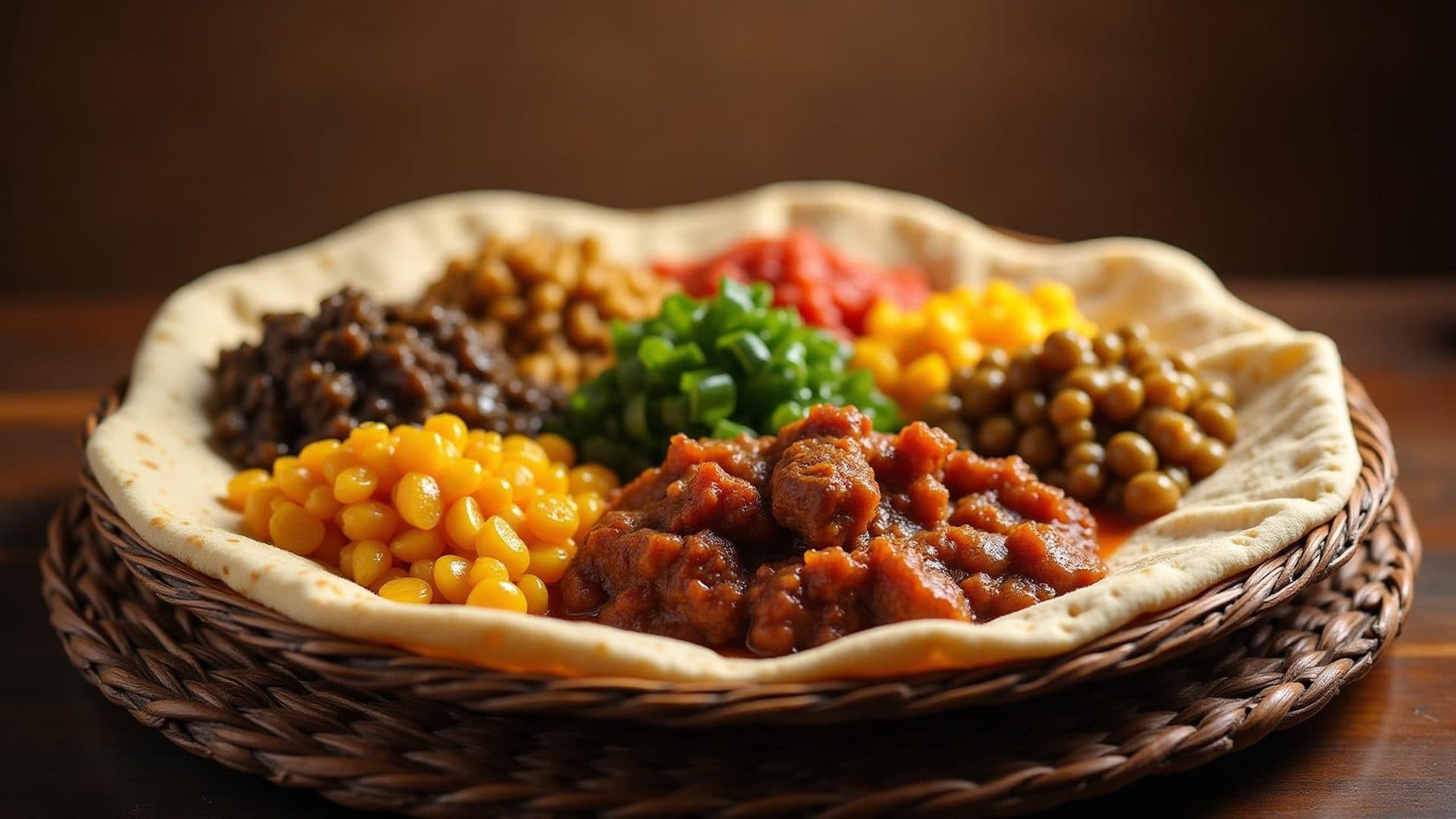
Sambusa is the Ethiopian pastry: a thin, crisp dough folded into a triangle, filled with meat or lentils and fried until golden. At Ge'eza it is ordered in portions of two: the meat sambusa is 2,000 F and the lentil sambusa, which is vegan, is 1,500 F. The meat version is homemade. You can have them as a starter, a snack or with coffee, Tuesday to Sunday, 8am to 10pm, at 656 avenue Birago Diop in Point E, Dakar.
What is inside
The menu describes two versions.
- Meat sambusa (2 pieces), 2,000 F. A crisp pastry filled with a spiced Ethiopian meat stew. Hot, savoury, homemade.
- Lentil sambusa (2 pieces), 1,500 F. Red lentils simmered with turmeric, garlic and spices, with no animal fat. This is the vegan version.
The lentil filling follows the base of misir wot, the restaurant's red lentil stew, detailed in misir wot. In both cases the shell is thin, crinkled, and crackles under the tooth before giving way to a soft, spiced filling.
A family of pastries
The name sambusa immediately recalls samosa, and that is no accident: these triangular, filled, fried pastries belong to one family, whose shapes and names travelled along trade routes from South Asia and the Middle East to East Africa. In Ethiopia the sambusa took on its own spices, often closer to berbere and lentils than to curry.
In Dakar you will also know the fataya, the savoury filled, fried pastry that is everywhere in streets and shops. Ge'eza's menu has some too, at 500 F for two pieces, sourced locally. The three cousins look alike in shape and frying, but not in taste: the Senegalese fataya is generally filled with fish or meat and local seasoning, the Ethiopian sambusa with lentils or meat spiced the Ethiopian way.
How to eat one
By hand, simply. Hold it by a corner, bite, and let the heat of the filling spread. It is eaten hot, just after frying, when the shell is at its crispest. Do not leave it to cool too long on the plate. Nothing obliges you to add a sauce.
When to order them
Sambusa plays several roles on the menu.
As a starter, before a dish on injera. For two people, two portions (one meat, one lentil) cost 3,500 F and share easily before a beyaynetu from 7,000 F.
As a snack, with a coffee or an Ethiopian tea at 2,000 F, in the afternoon. The whole stays under 5,000 F: lentil sambusa 1,500 F plus Ethiopian tea 2,000 F makes 3,500 F.
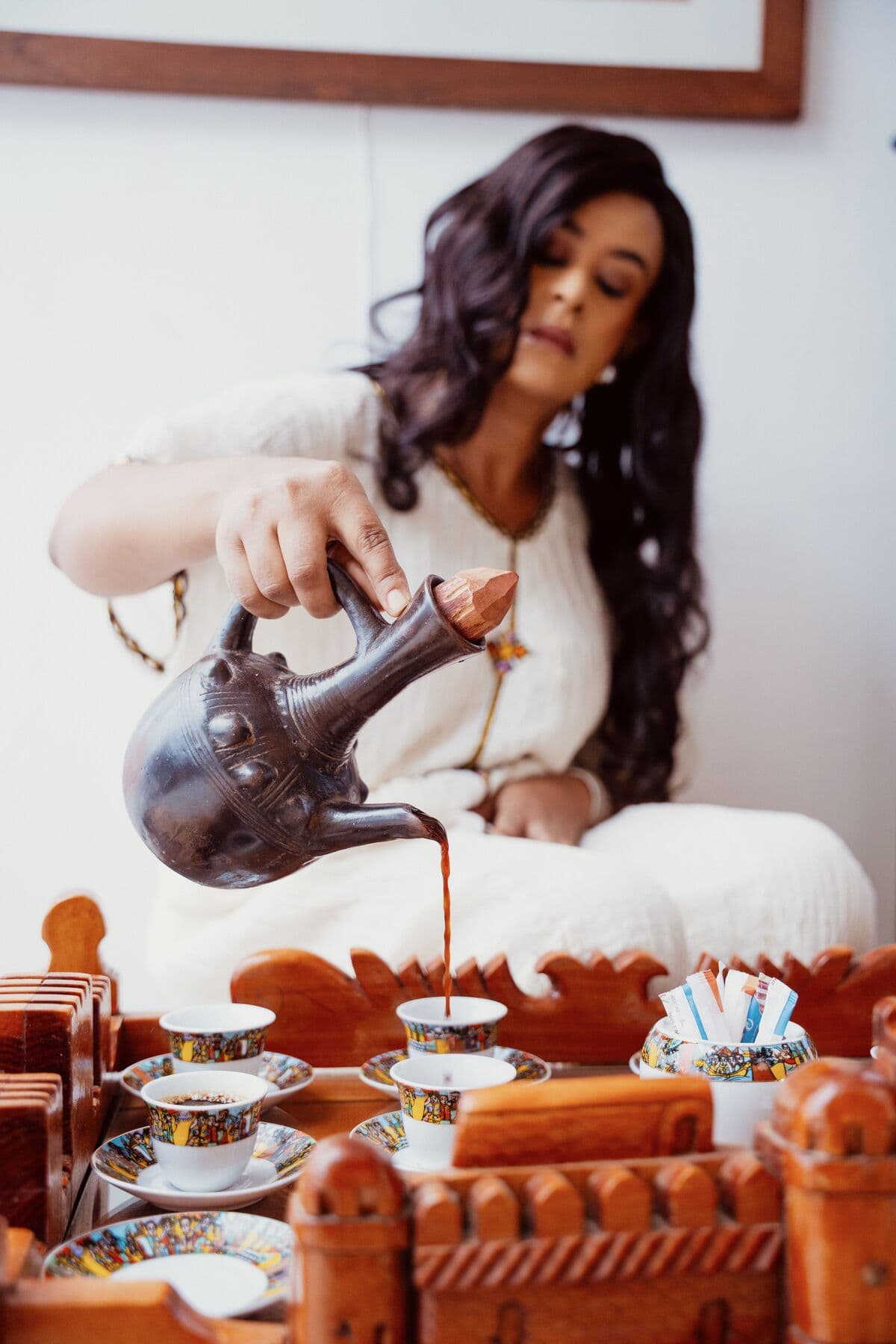
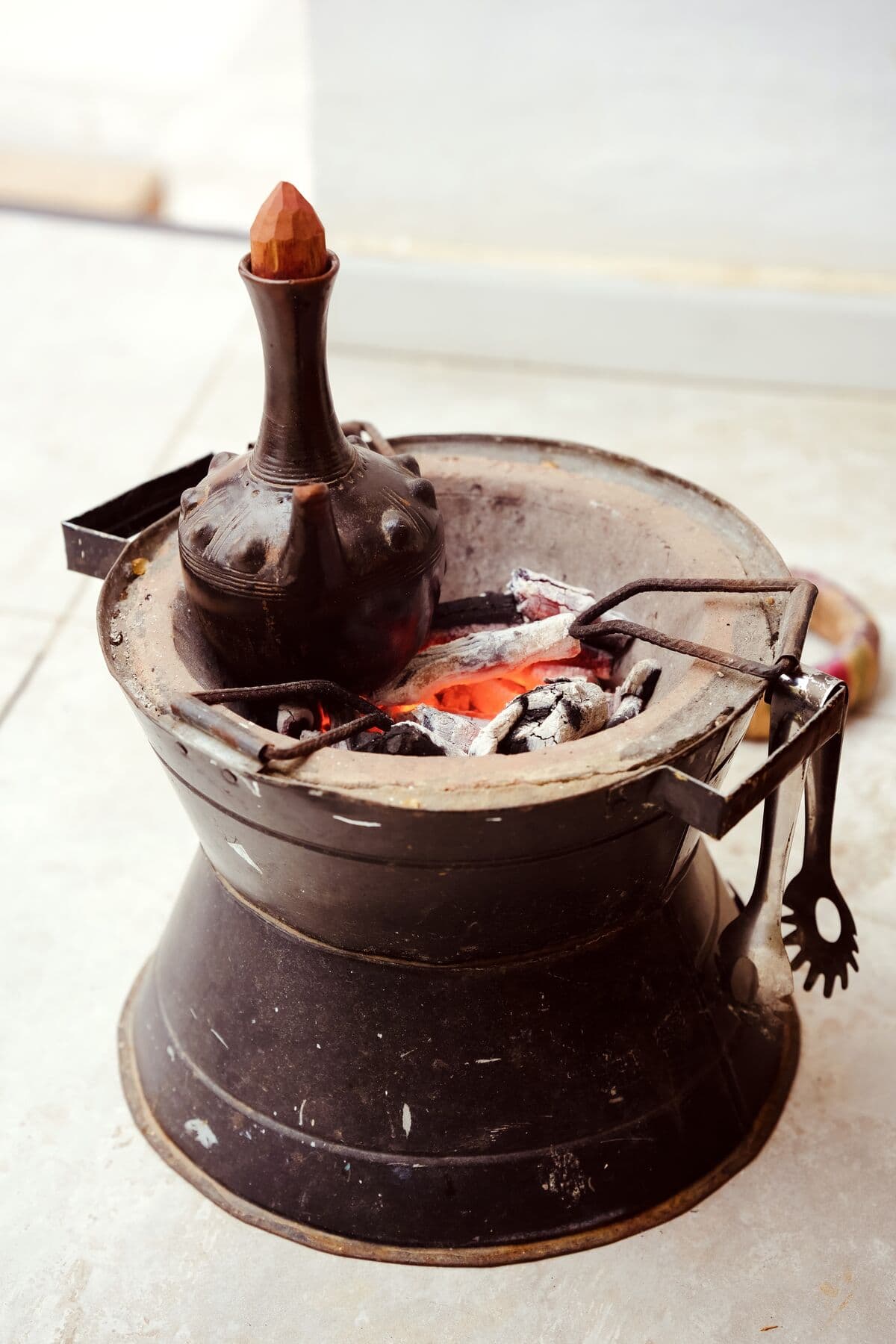
Alongside a working lunch or a coffee ceremony: the full ceremony is 5,000 F per person and lasts about 45 minutes, and a small hot pastry goes well with it.
For vegetarians and vegans
The lentil version is the only one of the two without animal products, according to the menu, which says "no animal fat". It therefore works as a starter for tables where one guest does not eat meat. If you have allergies or a special diet, speak to the team: fried pastry is a preparation the menu does not detail, and it is better to ask than to assume.
Coming for a sambusa
The restaurant is in a villa in Point E, with a gallery lounge, a glass-roofed room and a terrace under the trees. To see the whole menu with prices, visit the restaurant page. For a table in the evening or at the weekend, book online.
Frequently asked questions
How many sambusas in a portion?
Two pieces, for the meat version (2,000 F) as for the lentil version (1,500 F).
Is the lentil sambusa vegan?
Yes, the menu says so: red lentils with turmeric, garlic and spices, no animal fat.
What is the difference with samosa and fataya?
They are pastries of the same family, filled and fried. The Ethiopian sambusa is stuffed with lentils or meat in Ethiopian spices, the Senegalese fataya has its own local filling.
Are the sambusas homemade?
The menu marks the meat version as homemade. For the lentil one, ask the team.