Art · 28 September 2026
Pan-Africanism and Contemporary Art: East and West in Dialogue
How artists from East and West Africa are in dialogue today, what pan-Africanism changes for contemporary art, and how the ge'eza gallery acts as a bridge in Dakar.
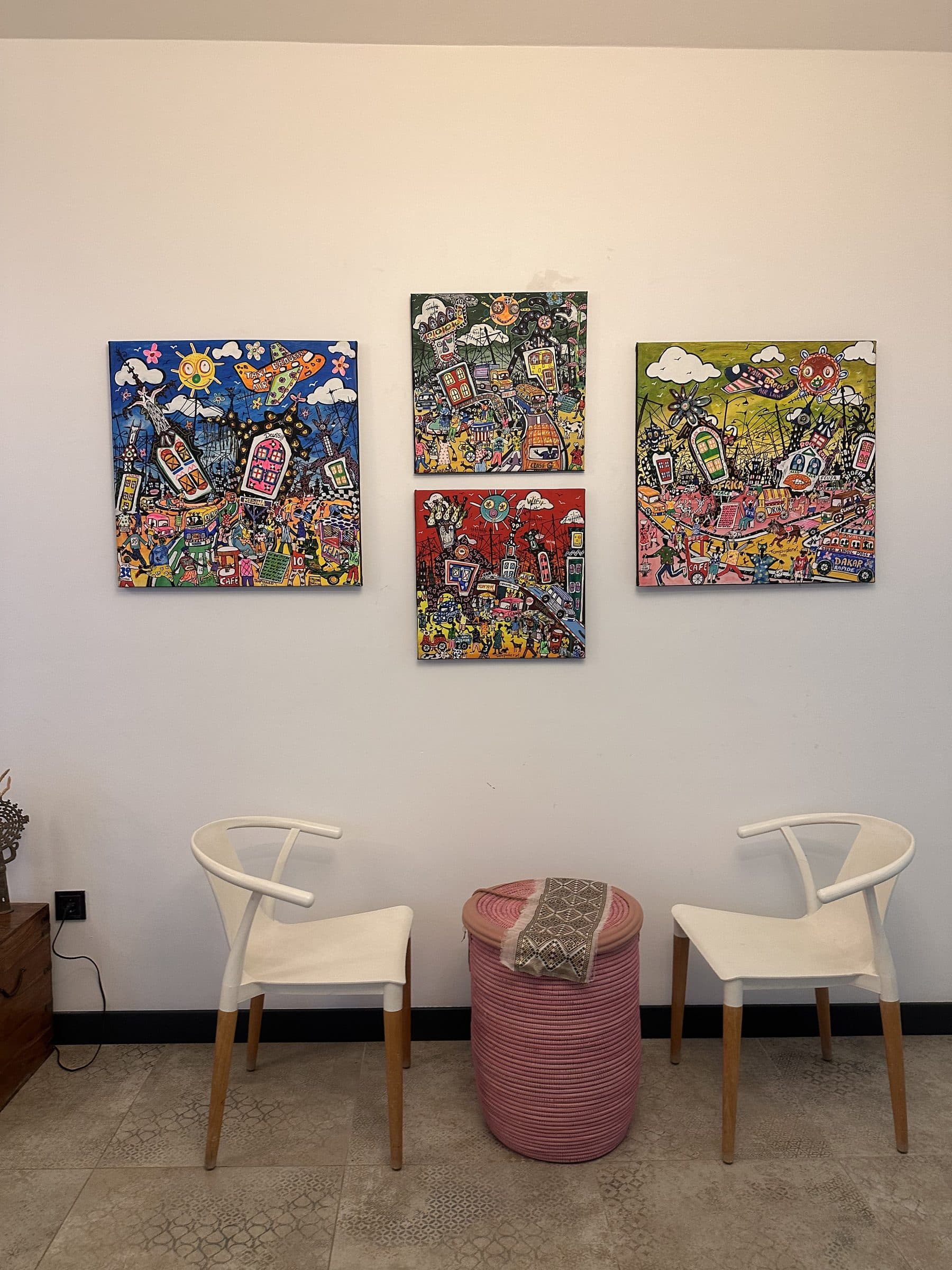
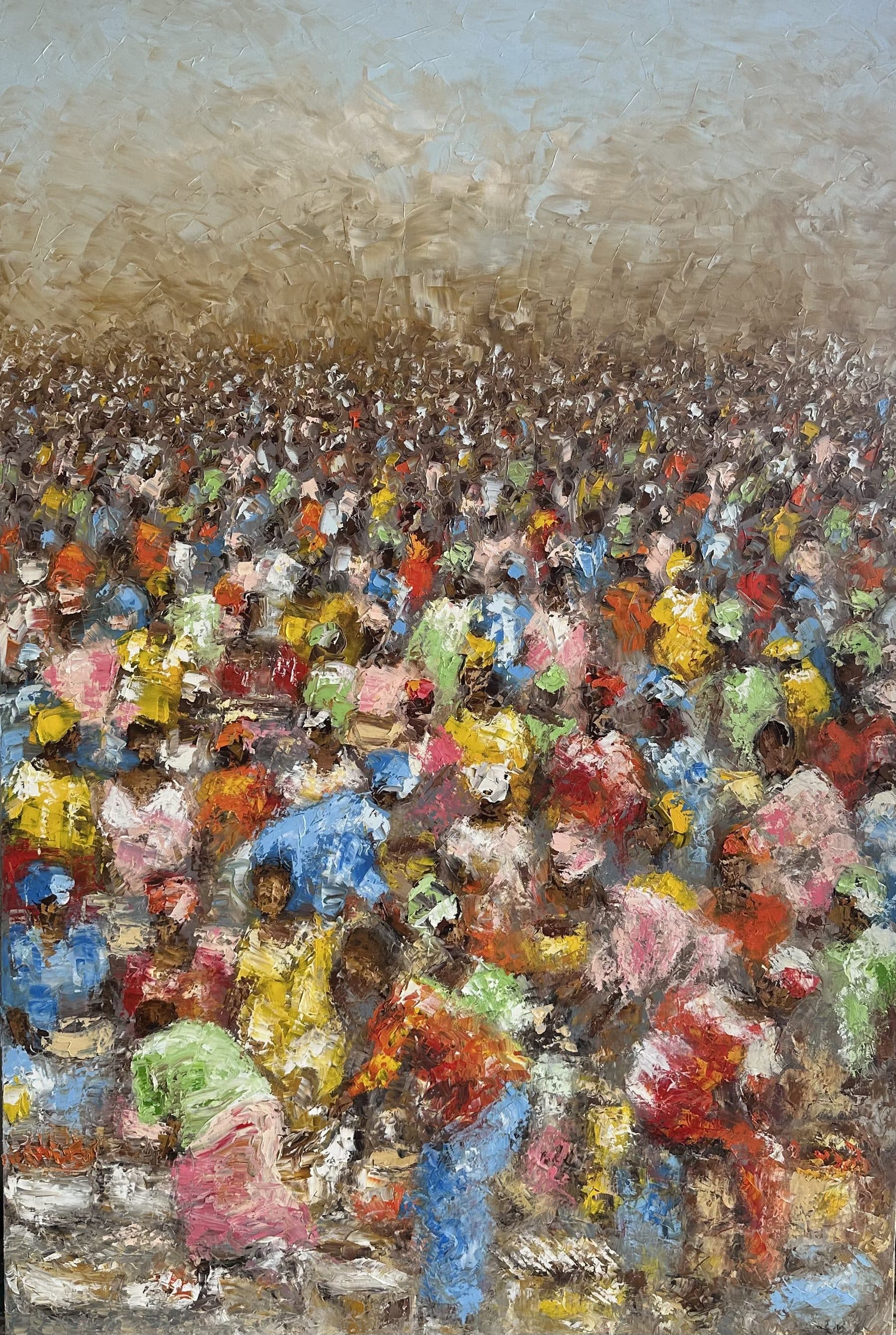
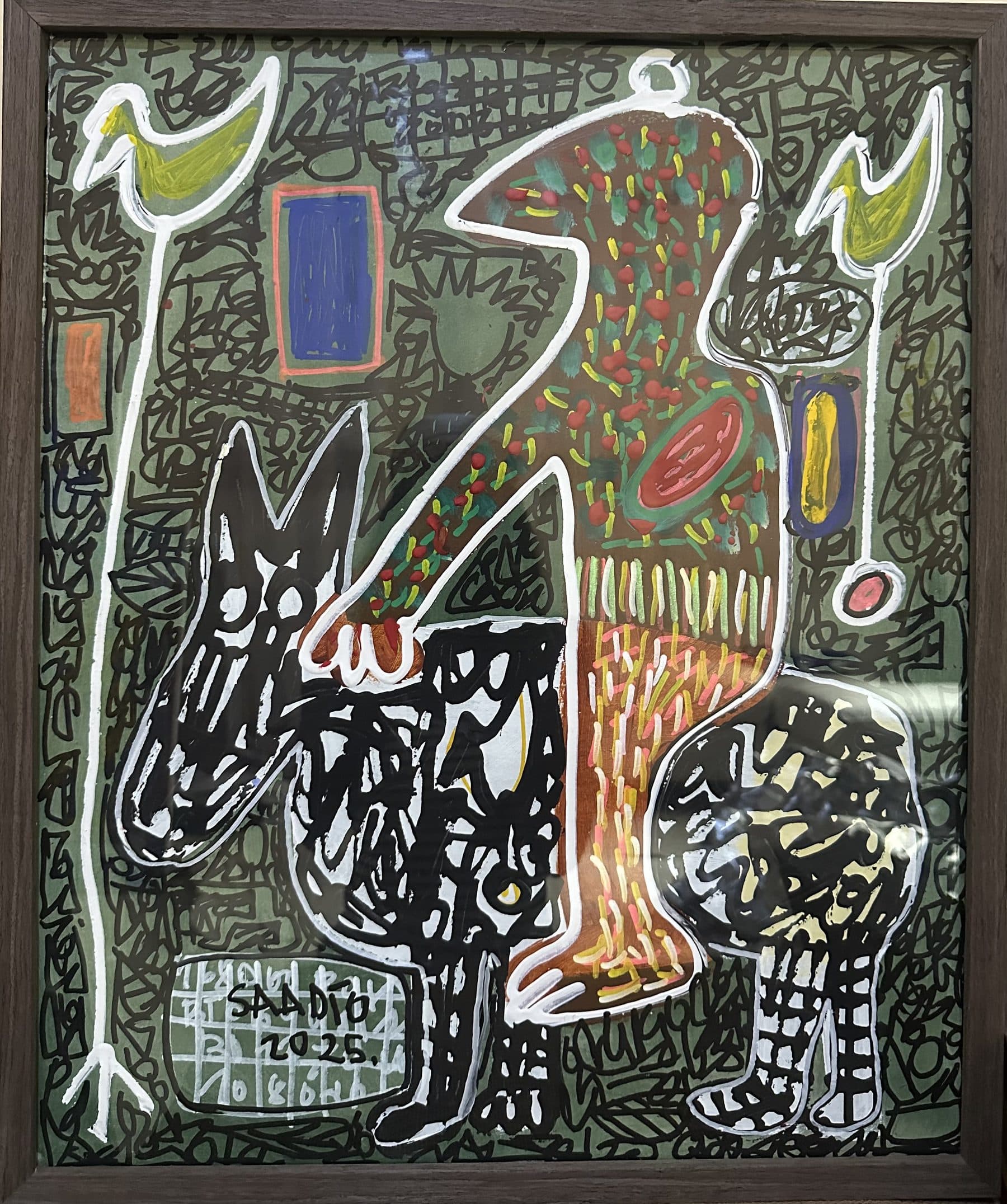
Pan-Africanism is the idea that the peoples of Africa and its diaspora share a history and a future. Applied to contemporary art, it shows up as a growing dialogue between artists from different regions of the continent: East Africa, West Africa and beyond. In Dakar, the ge'eza gallery, which shows artists from both regions, acts as a small bridge.
From political pan-Africanism to artistic dialogue
Pan-Africanism is first a political and intellectual movement, whose landmarks include the founding of the Organisation of African Unity in Addis Ababa in 1963 and, on the cultural side, the 1966 World Festival of Black Arts in Dakar. These moments set out a simple idea: African arts form a space of dialogue, not just a series of national scenes.
Today, the idea is lived mostly through encounters: residencies, biennials, group shows, collaborations, the circulation of works.
Two regions, worlds that answer each other
It would be wrong to speak of a single East African or West African style: each artist follows their own path. Still, historical contexts, materials, visual traditions and the questions asked vary from one region to another, which makes encounters fruitful.
- In East Africa, Ethiopia has a long tradition of image, writing and painting, with its own alphabet, the Geez script, and a history of religious art.
- In West Africa, Dakar has been a place of creation and diffusion for decades, with dedicated institutions and events.
These contexts do not oppose each other: they feed each other when works and artists travel.
What makes dialogue possible today
Several factors ease these meetings: social media, which lets people discover artists remotely, biennials and fairs, residencies, and independent venues that invite artists from other countries. The Dak'Art Biennale is one of the major events where these exchanges happen in Dakar.
But the essentials often unfold in smaller places: a gallery, a lounge, a table, where you can look at a work, talk about it, meet an artist.
The ge'eza gallery as a bridge
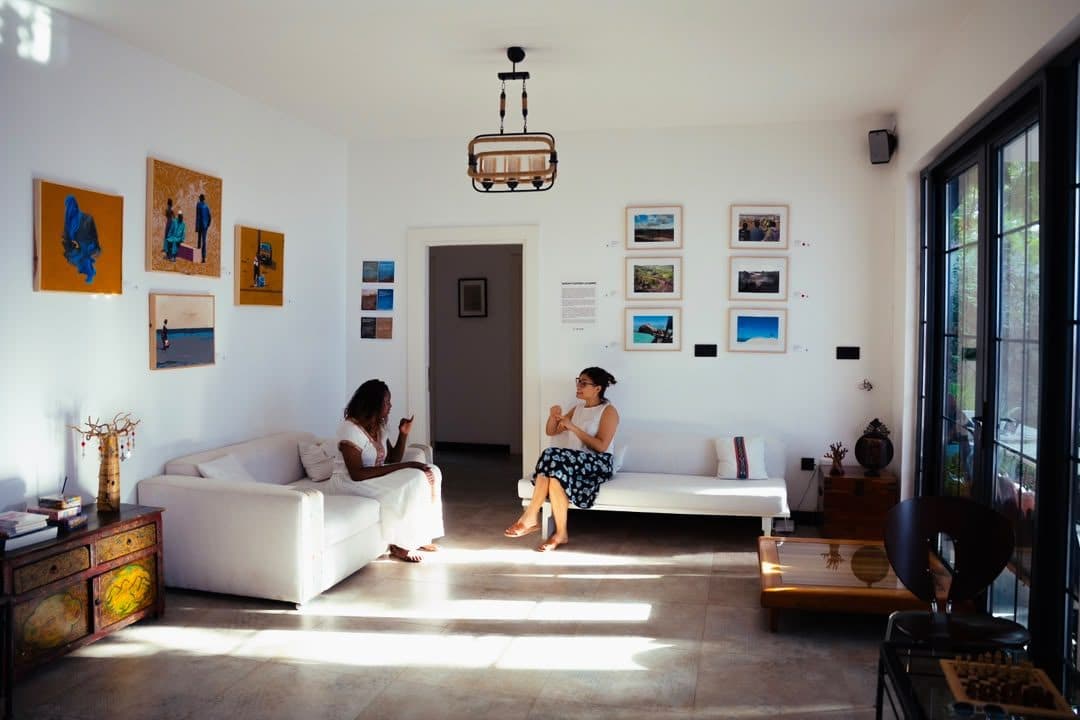
ge'eza was founded by Maraki Germa Bekele, who is Ethiopian. In the Point E villa, at 656 avenue Birago Diop, the gallery shows artists from East and West Africa: paintings, sculptures, textiles. The works are available to buy, with a certificate of authenticity and shipping possible.
The place also brings together an Ethiopian table, a Senegalese dish of the day, a garden and a lounge. The meal extends the visit: you look, you taste, you talk. We do not list artist names here since the hangs change through the year; the best approach is to drop by and see what is on, or check the gallery page.
Buying a work in this spirit
Buying a work by an artist from another region of the continent is a concrete way to support this dialogue. For collectors and institutions alike, it is also a way to broaden one's view. See our guide to the diplomatic gift of African art for the practical questions: choosing, certificate, shipping.
Experiencing the dialogue on site
The villa hosts openings, brunches, workshops, coffee ceremonies and evenings, and can be booked out for receptions: see events. It is a way of meeting people from different backgrounds around a shared subject. Open Tuesday to Sunday, 8am to 10pm, closed on Mondays.
What artists say to each other, concretely
The dialogue between regions is not only a phrase: it takes very concrete forms. Artists answer each other through techniques (painting, textile, sculpture, photography), through subjects (memory, migration, urban life, spirituality, the environment) and through materials. A graphic motif from one tradition can be taken up in a work from another region without either copying the other: it is a conversation, not a borrowing.
Critics and curators also act as go-betweens. By showing works from different regions side by side, they bring out echoes the public would not have seen alone. That is one of the interests of a group show bringing East and West together.
The obstacles, not hidden
It would be too easy to present this dialogue as settled. Several difficulties remain:
- The circulation of works is costly and complex: transport, insurance, customs formalities.
- Visibility remains uneven: some scenes are better known abroad than others are on the continent itself.
- Languages vary (French, English, Amharic, Wolof and many others), which complicates mediation.
- The means available to independent venues are often limited.
This is precisely why venues that take time to welcome visitors and explain the works matter.
How a visitor can enter this dialogue
You do not need to be a specialist. Three simple gestures are enough:
- Look at a work for a long time, without immediately seeking the explanation, then read the label or ask the team a question.
- Compare: if two works come from different regions, what brings them together, what sets them apart?
- Talk about it around a table. A work is better understood when discussed with others.
At ge'eza, a gallery visit can be extended with a meal or a coffee ceremony of about 45 minutes. The Ethiopian fasting dishes are fully vegan, the Senegalese dish of the day is served from Tuesday to Friday, and it all happens in a gallery lounge where the works stay in view.
For collectors and institutions
A collector or institution wishing to build a coherent set can take the East-West dialogue as a guiding thread. The gallery provides a certificate of authenticity with the works for sale, and shipping is possible. For practical questions, the team answers on WhatsApp at +221 78 660 07 07.
Frequently asked questions
What is pan-Africanism?
It is the idea of solidarity and a shared destiny among the peoples of Africa and its diaspora, with political, intellectual and cultural expressions.
Which artists does ge'eza show?
Artists from East and West Africa. The hangs change, so check the gallery or ask the team.
Can I buy the works on display?
Yes, the works are available to buy, with a certificate of authenticity. Shipping is possible.
Are there openings?
Yes, ge'eza holds openings among its events. Follow the events page for up-to-date information.