Guide · 28 September 2026
Origins of Coffee in Ethiopia: Kaffa, Kaldi and the Ceremony
Coffee was born in the forests of south-west Ethiopia. The Kaffa region, the legend of the goatherd Kaldi and coffee's place in Ethiopian life, up to the ceremony you can live in Dakar at ge'eza.
Arabica coffee comes from Ethiopia, where it grows wild in the high-altitude forests of the south-west. The Kaffa region, often named as its cradle, may have given the word coffee its name. In Ethiopia coffee, called bunna, is more than a drink: it is a social ritual that shapes the day and hospitality.
Kaffa, cradle of coffee
Botanists place the origin of the arabica coffee plant in the high-altitude forests of south-west Ethiopia. The Kaffa region is regularly presented as its cradle, and many people link its name to the word coffee. On that last point etymologists disagree, and it is better to call it an attractive hypothesis than a certainty. What is established is that these forests still shelter wild coffee trees and great genetic diversity.
From there coffee travelled across the Red Sea and the Arab world, then Europe and the rest of the planet. This long history, whose exact stages are poorly known, explains why Ethiopia is still regarded today as the source of all arabica varieties.
The legend of Kaldi
The best-known legend tells of a goatherd named Kaldi who noticed that his goats, after eating the red berries of a shrub, became lively and restless, unable to sleep. Intrigued, he supposedly tasted them himself, then told the story to monks, who brewed the berries to stay awake during prayers.
It is a legend: no early source allows it to be dated or verified, and it is told in several ways. It nonetheless says something true about coffee: it came from everyday observation of nature, livestock and attention.
Coffee in Ethiopian life
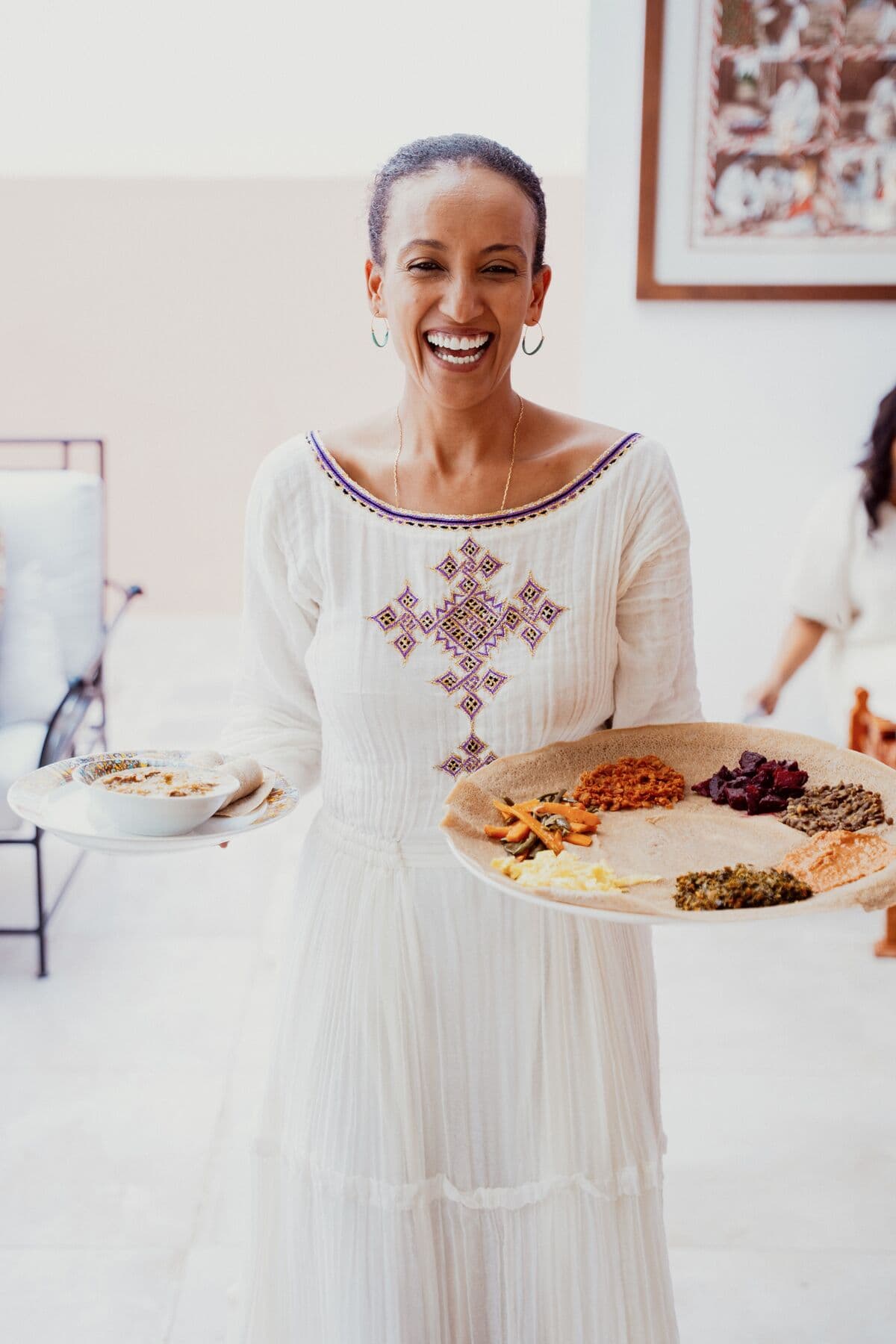
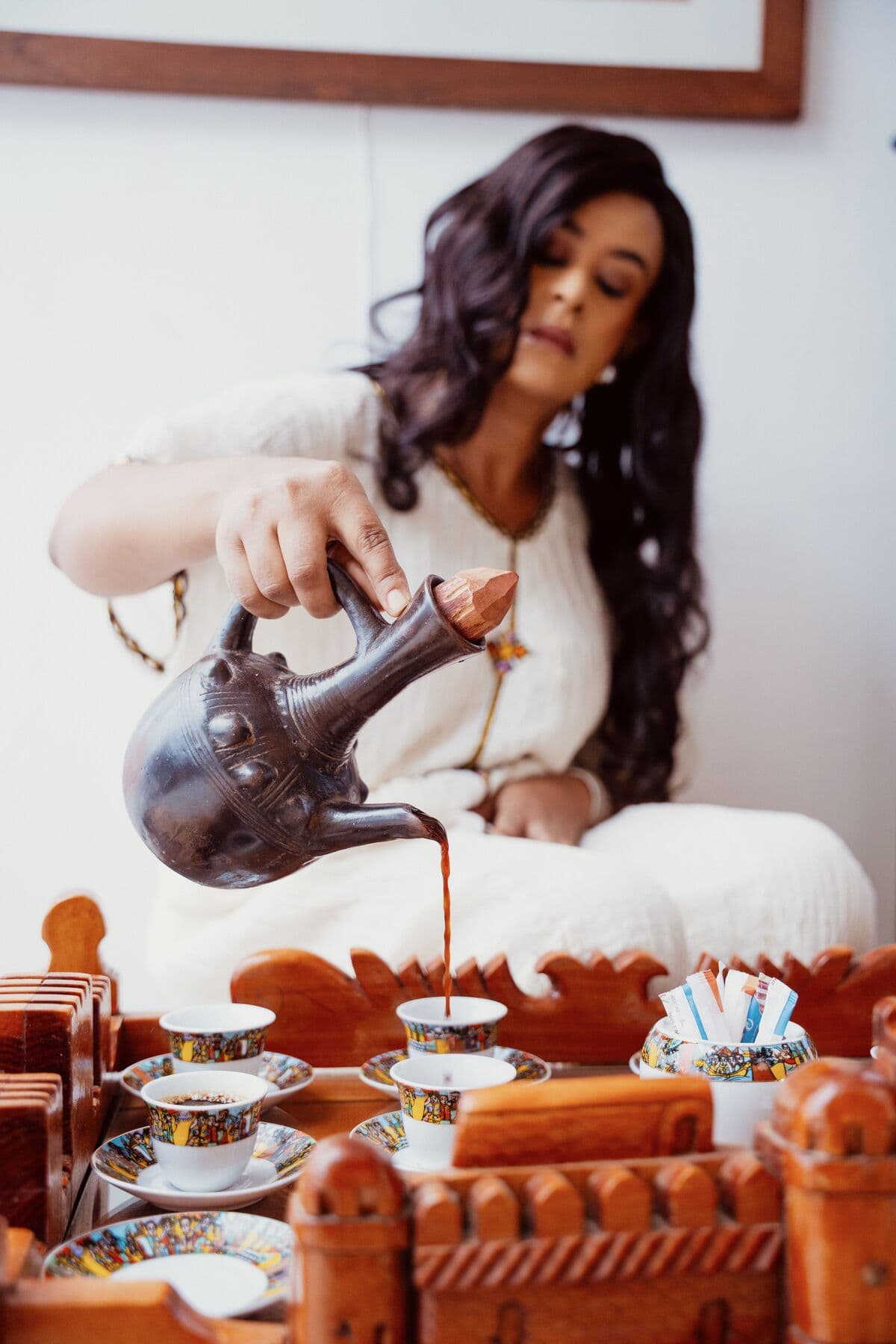
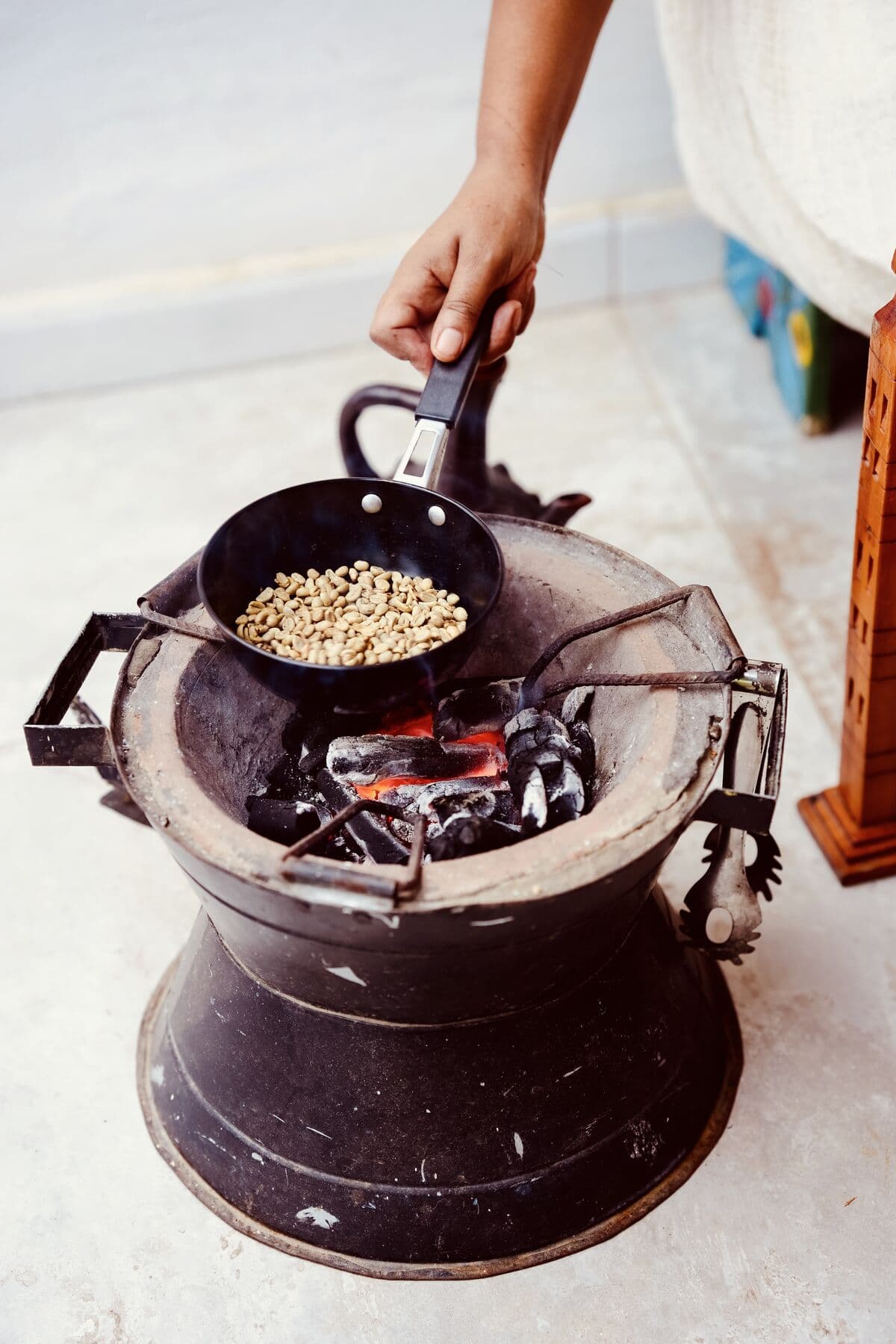
In Ethiopia, coffee accompanies the day. It is drunk in the morning, midday and late afternoon, often in company. People speak of the coffee ceremony: green beans are washed, roasted in front of the guests in a pan, ground by hand, then brewed in a jebena, a clay pot. The coffee is served in three rounds, Abol, Tona and Baraka. Incense burns during the preparation, and the coffee comes with a small bread or roasted grains.
The ceremony lasts longer than a simple coffee. It leaves room for conversation: it is a shared pause, a time for receiving. It is described in detail on our page about the coffee ceremony.
The three rounds
The first round, Abol, is the strongest cup: at ge'eza it is described as drawing out about 65 to 70% of the available aromas. The second, Tona, captures another 20 to 25%, with subtler notes. The third, Baraka, the blessing, is the gentlest and closes the ceremony in gratitude. Declining the third round is frowned upon: it is part of the ritual.
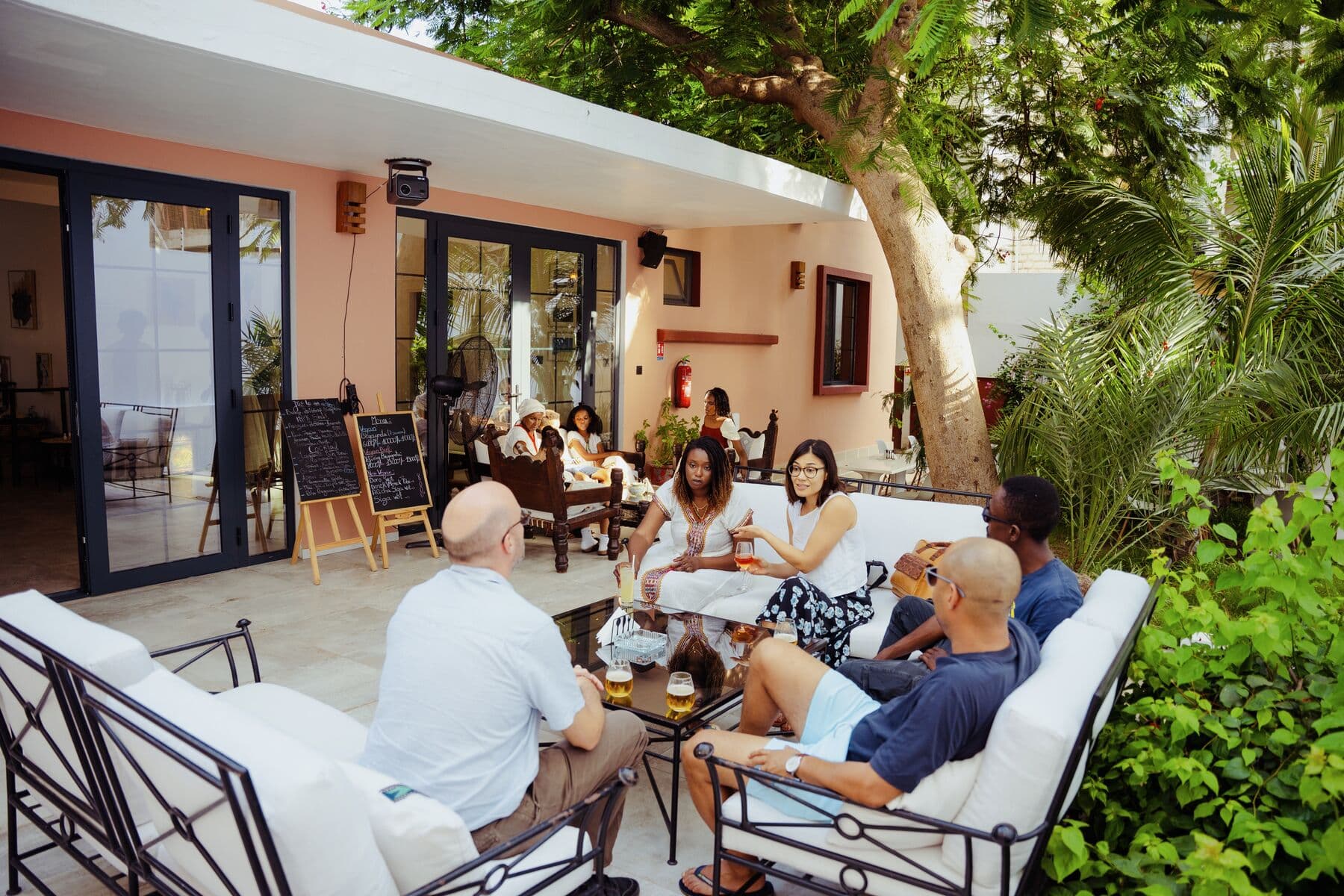
Coffee in Dakar, at ge'eza
At ge'eza the full ceremony includes the three rounds, incense and dabo, homemade Ethiopian bread served with honey. It costs 5,000 F and takes about 45 minutes. Each round can also be taken alone: Abol at 2,500 F, Tona at 2,000 F, Baraka at 1,500 F, and house dabo at 1,000 F. For a quicker coffee, the Ethiopian macchiato is 2,500 F.
The ceremony is booked in advance: book or write to +221 78 660 07 07. To understand the differences in taste by origin, see Ethiopian coffee regions.
What to take away
Ethiopian coffee is not only a botanical origin. It is a particular relationship with time and with the guest: it is prepared in front of them, served by the host, and lets them smell the roast. In a world where coffee is often drunk in a hurry, it is an invitation to slow down.
What the ritual says
Every gesture of the ceremony has meaning. Washing the green beans, roasting them over the fire, letting the smoke circulate so that everyone breathes in the aroma: the host shares the smell of the coffee before its taste. Grinding by hand, in a mortar, gives rhythm to the conversation. Then the jebena is set on the embers, and you wait. That waiting time is part of the coffee.
The eldest or the guests of honour are served first, then the others. Each cup is small, often sweetened, sometimes accompanied by salt or spices depending on the region. To be served coffee is to be received.
Coffee beyond Ethiopia
From the Arabian Peninsula, coffee spread to the Ottoman world, to Europe and then to the Americas, where it became one of the world's great crops. Yet Ethiopia keeps a particular place: it is both the botanical source and a culture where coffee remained a social gesture rather than only a commodity. For many visitors, tasting coffee there, or in an Ethiopian house abroad, is a way of meeting that history at the source.
A drink with many names
The word for coffee changes from one language to another, but the gesture is recognisable everywhere: a small cup, offered with attention. In Ethiopia, saying bunna is calling people to sit. That is why the story of coffee is as much a story of company as of botany.
Frequently asked questions
Does coffee really come from Ethiopia?
Yes, arabica originates in the forests of the south-west, where it still grows wild. The name of the Kaffa region is often linked to the word coffee, with no certainty about the etymology.
Is the story of Kaldi true?
It is a legend, with no verifiable early source. It is told in many variants.
What does bunna mean?
It is the Amharic word for coffee. The ritual is called the coffee ceremony, or bunna in Amharic.
How long does the ceremony last?
At ge'eza, about 45 minutes for the three rounds.