
Dakar · 9 November 2026
Senghor Museum in Dakar: Visiting His Former Home in Fann
The former home of Léopold Sédar Senghor, in the Fann district on Dakar's Corniche Ouest, is now open to the public as a museum. Hours and admission fee change, so check before you go. Point E, home to Ge'eza, is a short way away.
The former home of Léopold Sédar Senghor, Senegal's first president from 1960 to 1980, stands in the Fann district on Dakar's Corniche Ouest, and today it is open to the public as a museum. Hours, admission fee and opening year change and should be confirmed directly before you plan a visit. Point E, where Ge'eza is located, sits a short way from Fann, close enough to extend the visit into lunch or coffee.
Who was Léopold Sédar Senghor
Poet, statesman and intellectual, Léopold Sédar Senghor led Senegal from independence in 1960 until 1980. He was one of the central figures of Negritude, a twentieth century literary and intellectual movement that set out to affirm the value of African cultures and identities in the face of colonial rule, alongside other francophone writers of his generation. His poetry, which blended the French language with Senegalese cultural heritage, earned him recognition that reached far beyond the country he led.
Senghor also left a mark on francophone intellectual life well beyond politics, remembered as one of the leading thinkers of his era on questions of African culture and identity. For a visitor discovering Dakar, understanding who Senghor was gives his former residence a weight that goes beyond a simple stop on a sightseeing list.
From private residence to public museum
The house Senghor lived in at Fann has been opened to the public as a museum dedicated to his life and work. It offers a way to approach the person behind the public figure, away from official speeches and history textbooks. Opening hours, admission fee and precise opening date should be confirmed before planning a visit, whether by phone or through a current tourism source.
Fann, a residential district by the ocean
Fann is a quiet Dakar district, known for its university campus and its closeness to the sea. The residence sits on the Corniche Ouest, the promenade that runs along the ocean for a good stretch of the peninsula and draws walkers and runners, especially late in the day. To learn more about this promenade beyond the museum visit, our article on walking the Corniche Ouest covers the mood of the place and the best times to stroll along it.
Planning your visit
A few pointers for planning the visit:
- Check before you set out. Opening hours and any admission fee can change, and a quick call or a recent search saves a wasted trip.
- Allow for a quiet moment. The residence is visited in a reflective mood, different from a large national museum.
- Pair it with a walk on the Corniche. The Fann setting makes it easy to combine the two.
- Ask about photography rules before entering, as with any site of this kind.
Why this stop matters for understanding Dakar
Visiting Senghor's residence touches on a piece of independent Senegal's history through a man who was both poet and head of state, a rare combination. It is a way of approaching the city beyond its markets or its beaches, pausing instead on the thinking and writing that accompanied the birth of the modern country. For visitors interested in the links between literature and politics in West Africa, it adds real depth to the rest of a trip.
Point E, a short way away
From Fann, Point E is a short way off, a residential district of villas and embassies that is home to the Ge'eza villa, at 656 Avenue Birago Diop. Our article on Birago Diop Avenue in Point E introduces the Senegalese writer behind the street name, another literary figure to discover after Senghor.
Extending the visit at Ge'eza
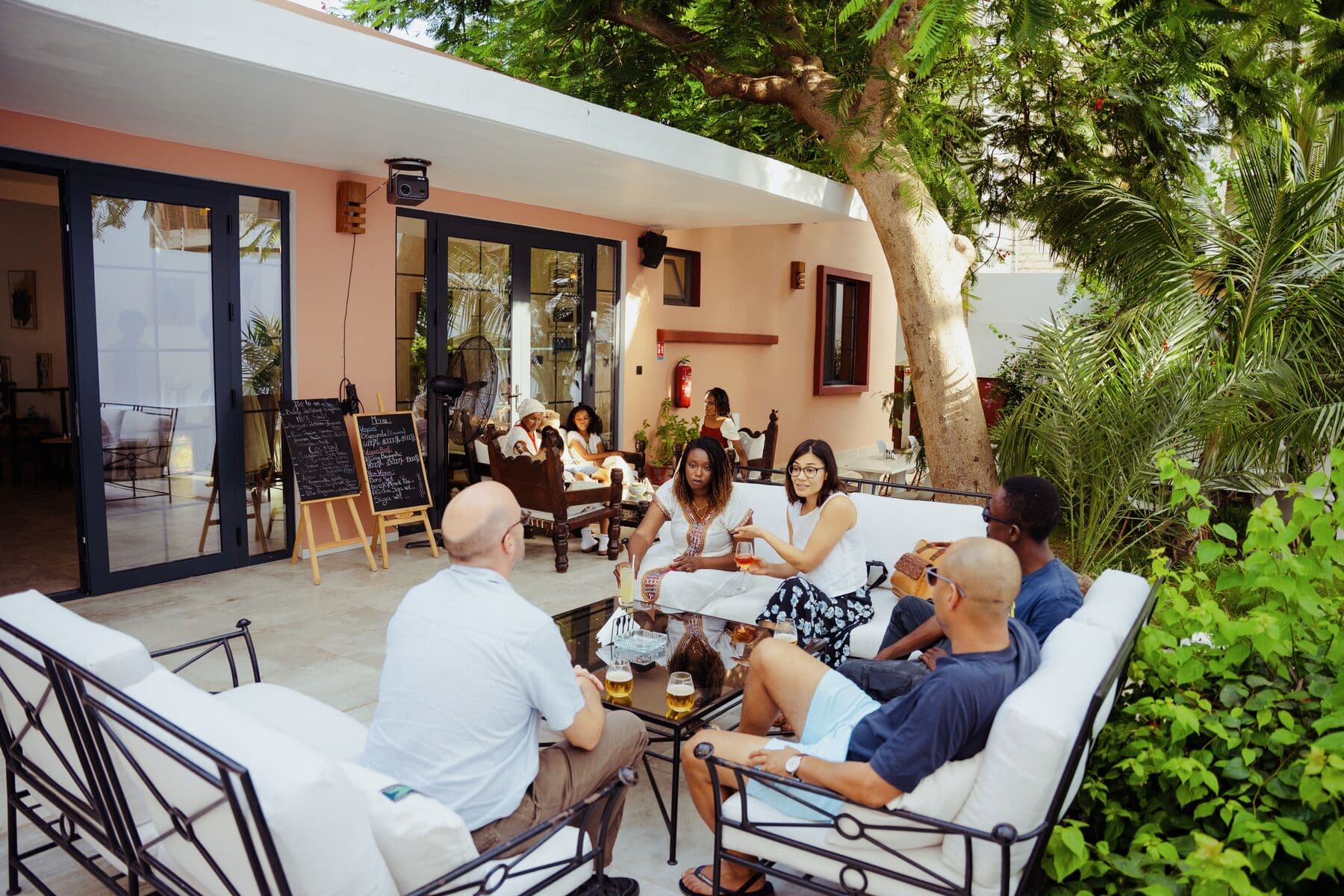
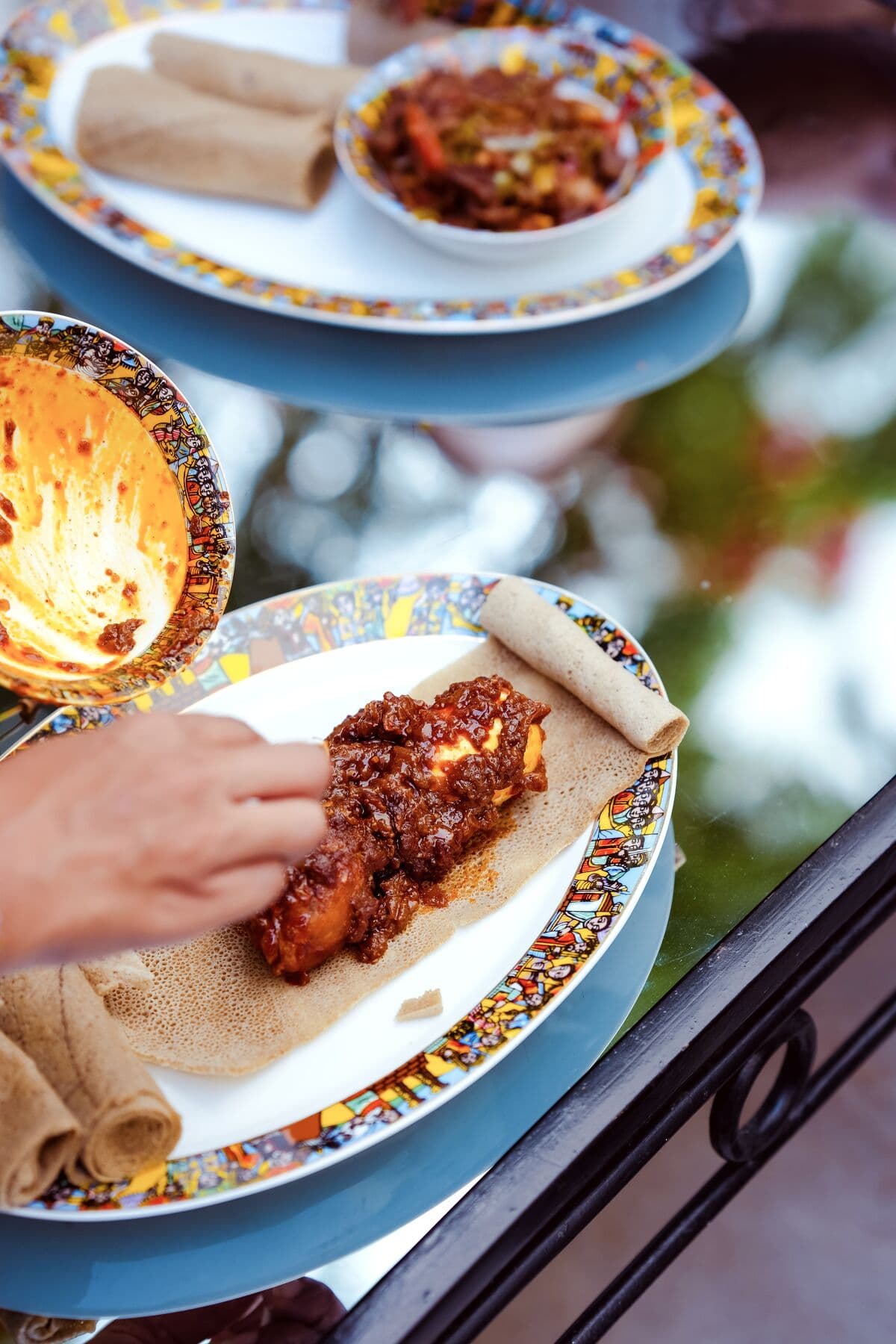
After the residence and a walk along the Corniche, lunch or coffee at Ge'eza rounds out the day well. The house is open Tuesday to Sunday, 8am to 10pm, closed on Monday, with Ethiopian breakfast served from 8am to 11am and a Senegalese dish of the day priced at 5,500 F from Tuesday to Friday at lunch. For something slower, the full coffee ceremony, at 7,000 F per person, lasts around 45 minutes and is best booked ahead. For practical access details, our article on Ge'eza's opening hours and directions answers the most common questions.
A route between memory and contemporary art
Senghor's residence belongs to a Senegal that continues to think about its relationship to art and culture. Moving on to Point E afterwards takes you from historical memory to a contemporary scene, that of Ge'eza's gallery and its living artists. It is a way of linking yesterday's Senegal with today's within a single day, without crossing the whole city.
Before you go
Keep in mind that practical details (hours, admission fee, visiting conditions) change and are worth confirming shortly before the visit. A call the day before, or a check against a recent official source, remains the safest approach before heading out, especially if the visit is part of a fuller day with other stops planned.
Frequently asked questions
Where is Léopold Sédar Senghor's former residence?
In the Fann district on Dakar's Corniche Ouest, a residential area close to the ocean and the university.
Who was Léopold Sédar Senghor?
A poet and Senegal's first president, from 1960 to 1980, and one of the central figures of Negritude, the literary movement that affirmed the value of African cultures.
What are the museum's hours and admission fee?
They change regularly and are best checked directly with the museum before you travel.
Can the visit be combined with a walk on the Corniche Ouest?
Yes, the residence sits right on that promenade, making it easy to pair the two.
Where to have lunch after the visit?
Point E is a short way from Fann. At Ge'eza, a Senegalese dish of the day is served for 5,500 F from Tuesday to Friday at lunch, alongside the Ethiopian menu.