
Guide · 22 October 2026
How to Support African Artists, in Practical Terms
Supporting an African artist starts with buying directly on the primary market, then continues with sharing their work, showing up to exhibitions, and recommending them to a gallery.
Supporting an African artist in practical terms starts with buying a piece directly from them or from a gallery that represents them, what is known as the primary market. From there come other gestures that matter just as much but are often overlooked: sharing their work, showing up to see their pieces in person, and recommending them to a gallery or venue that could exhibit their work.
Buying on the primary market
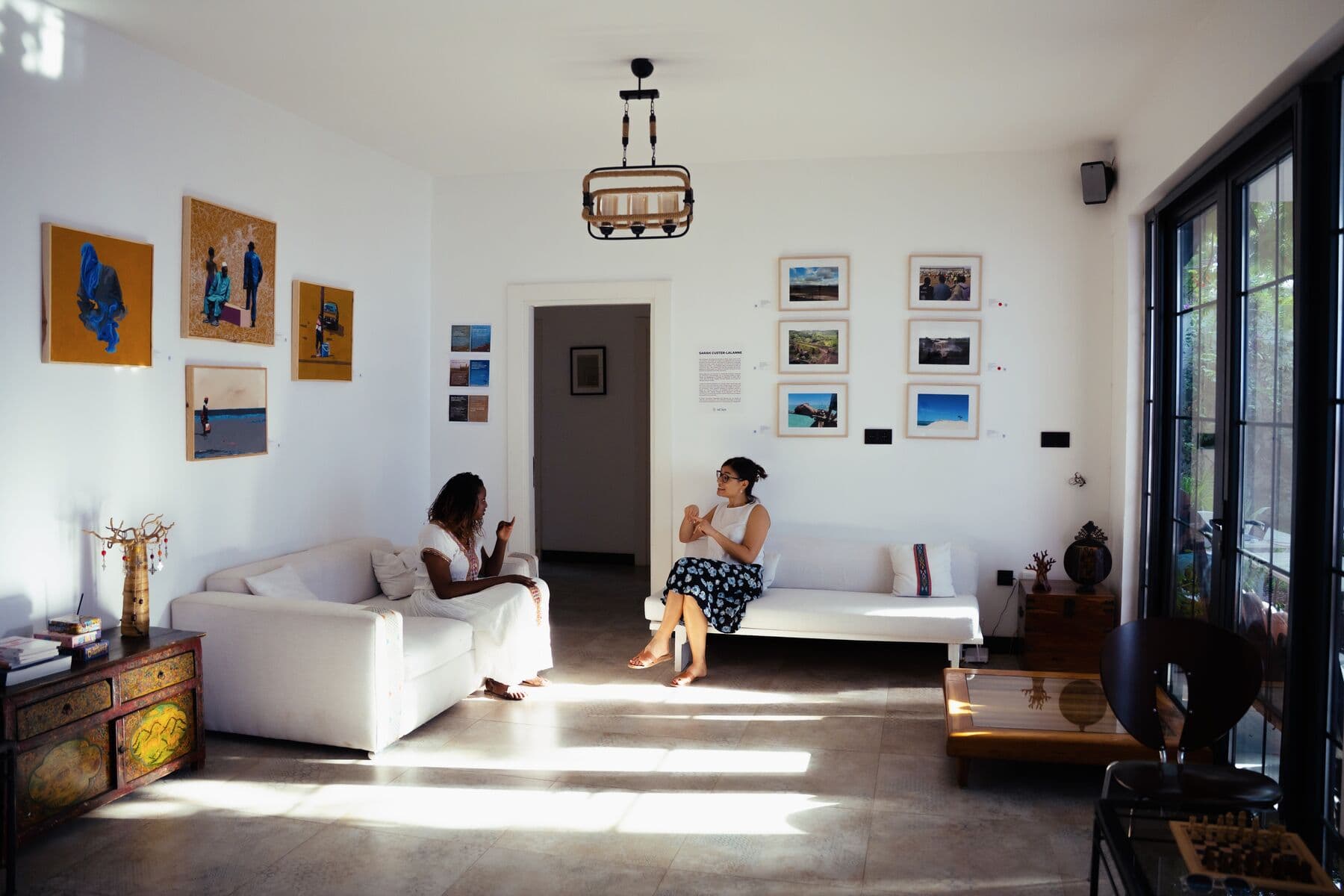
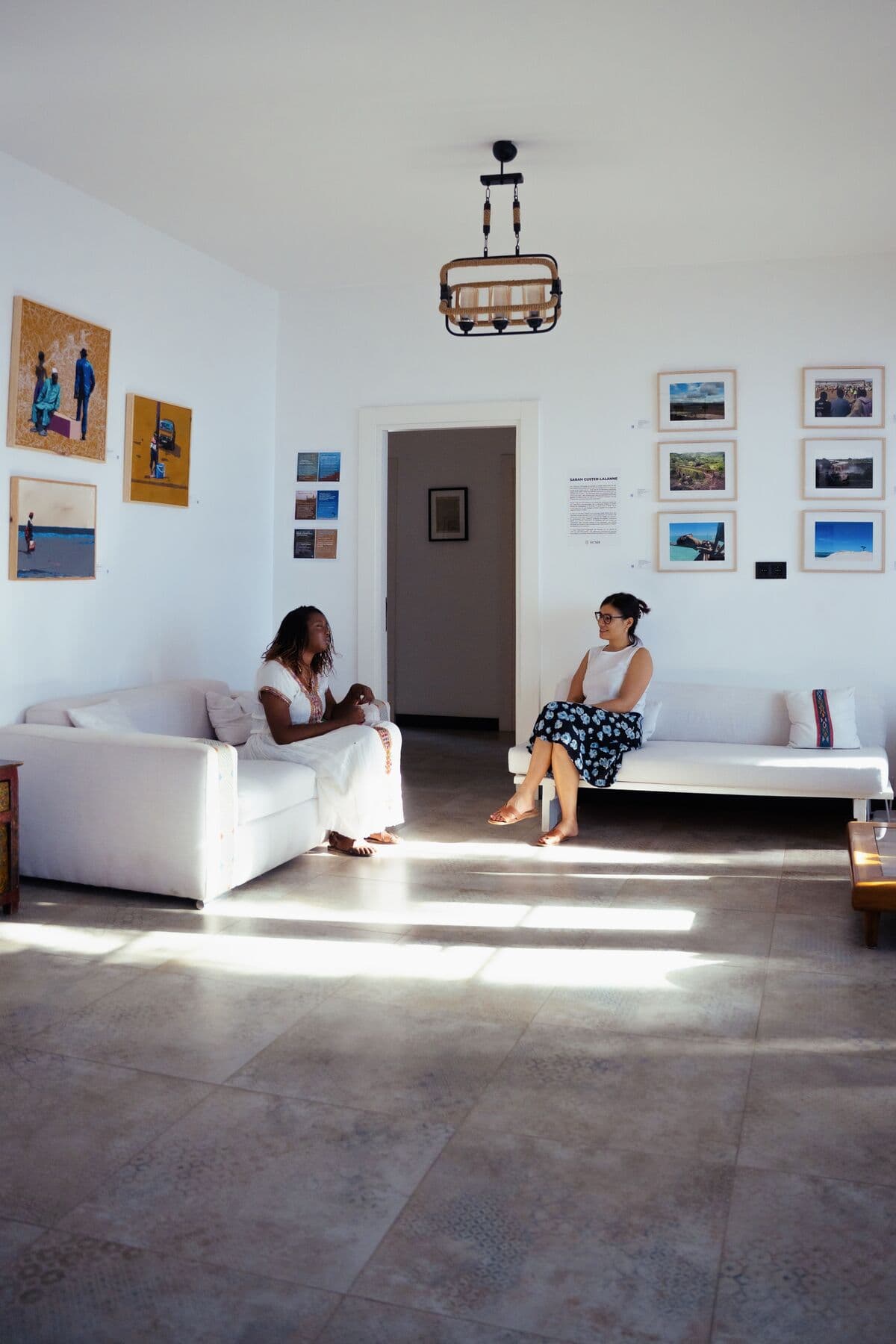
The most direct way to support an artist is to buy one of their pieces from them or from a gallery that represents them, rather than on the secondary market, where the price no longer reaches the artist. This choice, often called the "primary market," ensures support goes straight to the person who made the work. At Ge'eza's gallery, canvases by Ibou Diagne, Saadio and Tampidaro, three artists brought together for the exhibition "Lien commun" at the IFAN Théodore Monod Museum in October 2025, are bought this way: the price is requested from the chosen artwork's page in the gallery, then paid by Wave, Orange Money, card or in person.
Sharing an artist's work
Following newly listed pieces and talking about them is a simple, free way to help. Mentioning an artist's name to someone looking for a piece, sharing a page online, or just remembering a title to recommend it later: these small gestures help a body of work reach beyond a narrow circle, without requiring a purchase every time.
Showing up in person
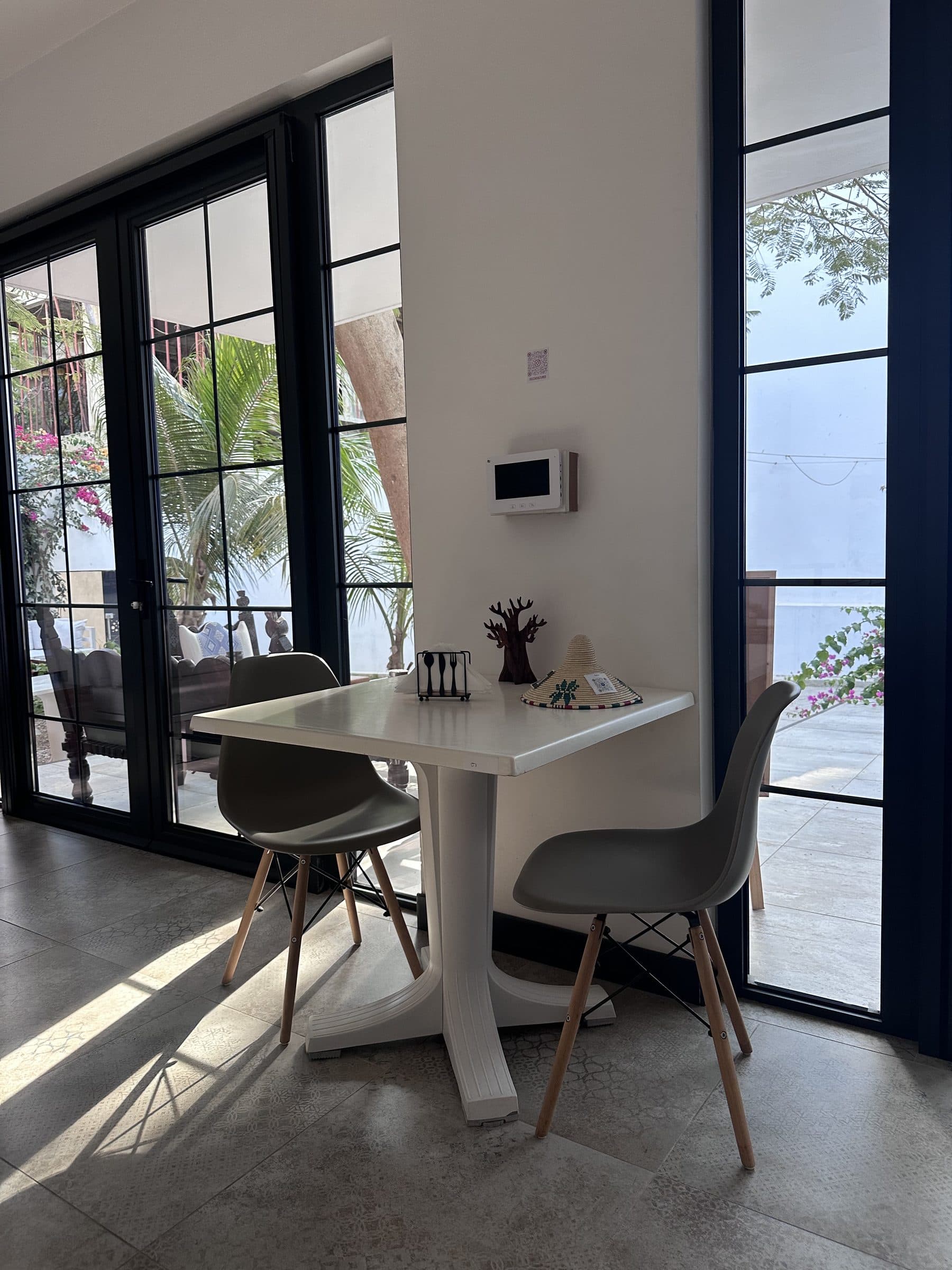
Nothing replaces a gallery visit for judging a piece, and for showing, very concretely, that a body of work matters to people. Ge'eza's gallery can be visited without an appointment, during restaurant hours, Tuesday to Sunday, 8am to 10pm. Coming to see an exhibition, even without buying right away, remains a simple way to support a venue and the artists it shows.
Following artists on their page
Every artist shown at Ge'eza has an online page listing their work: titles, techniques, formats and years. Checking back on these pages from time to time makes it possible to follow an artist over time, spotting newly listed pieces, without needing anything beyond a genuine interest in their work.
Recommending an artist to a gallery
For anyone who knows an African artist looking to show their work, recommending them to a gallery or exhibition venue is a useful and concrete gesture. Ge'eza receives exhibition proposals throughout the year. The guide on exhibiting your work at a Dakar gallery covers how to prepare such a proposal, whether for yourself or to recommend someone else.
What this support changes, in practice
An artist who sells regularly on the primary market can keep producing work under better conditions, and a body of work shared more widely eventually reaches people who would not have found that artist otherwise. These effects, modest one by one, add up over time, especially when several people pick up the same simple habits around the same artist.
Giving honest feedback, not just praise
Supporting an artist does not mean repeating nothing but unqualified compliments. Honest feedback on a piece, even if it is critical on one specific point, is often worth more to an artist than a string of vague praise that does not help them grow. If the chance comes up to talk directly with an artist, at an opening for instance, asking a real question about their work, a technique, or a compositional choice shows more genuine interest than a polite remark with nothing behind it.
Supporting without comparing to other markets
It is tempting to compare an African artist's situation to that of an artist established in another, older or better-documented market, to judge what counts as a "normal" price or level of recognition. That comparison rarely helps: every market works to its own reference points, and the fact that a scene is younger or less documented says nothing about the quality of the work being made there. Judging a piece for what it is, rather than for where it sits in some implied ranking, remains the most honest way to support it.
Support that can stretch across several artists
There is nothing wrong with spreading attention across several artists rather than focusing on one name. Following two or three artists at once, even without buying a piece from each one right away, builds a broader sense of the current scene and helps identify, over time, whose work best matches what you are actually looking for, whether that is a style, a technique, or a subject that keeps coming back from one piece to the next.
Asking the first question
For anyone still unsure how to start, the first step is often the simplest one: asking for the price of a piece you like, or writing to learn more about an artist. Ge'eza's team answers over WhatsApp at +221 78 660 07 07 or by email at geezacultures@gmail.com, for any question about a piece, an artist, or an exhibition proposal.
Frequently asked questions
What is the most direct way to support an African artist?
Buying a piece from them or from a gallery that represents them, on the primary market, rather than on the secondary market.
Do I need to buy a piece to support an artist?
No, sharing their work, visiting their pieces in a gallery, or recommending them to an exhibition venue are also useful forms of support.
How can I follow an artist's work over time?
By checking back regularly on their page online, which lists their work with its title, technique, format and year.
How do I recommend an artist to a gallery like Ge'eza?
By writing in by email or checking the guide on exhibition proposals, which covers the steps to follow.