
Event · 6 October 2026
Dakar Cultural Calendar: The Year's Main Cultural Moments
The main cultural moments of the Dakar year (the Biennale, festivals, seasons) and how to follow Ge'eza's own dates with its online calendar and .ics file. No unconfirmed future dates.
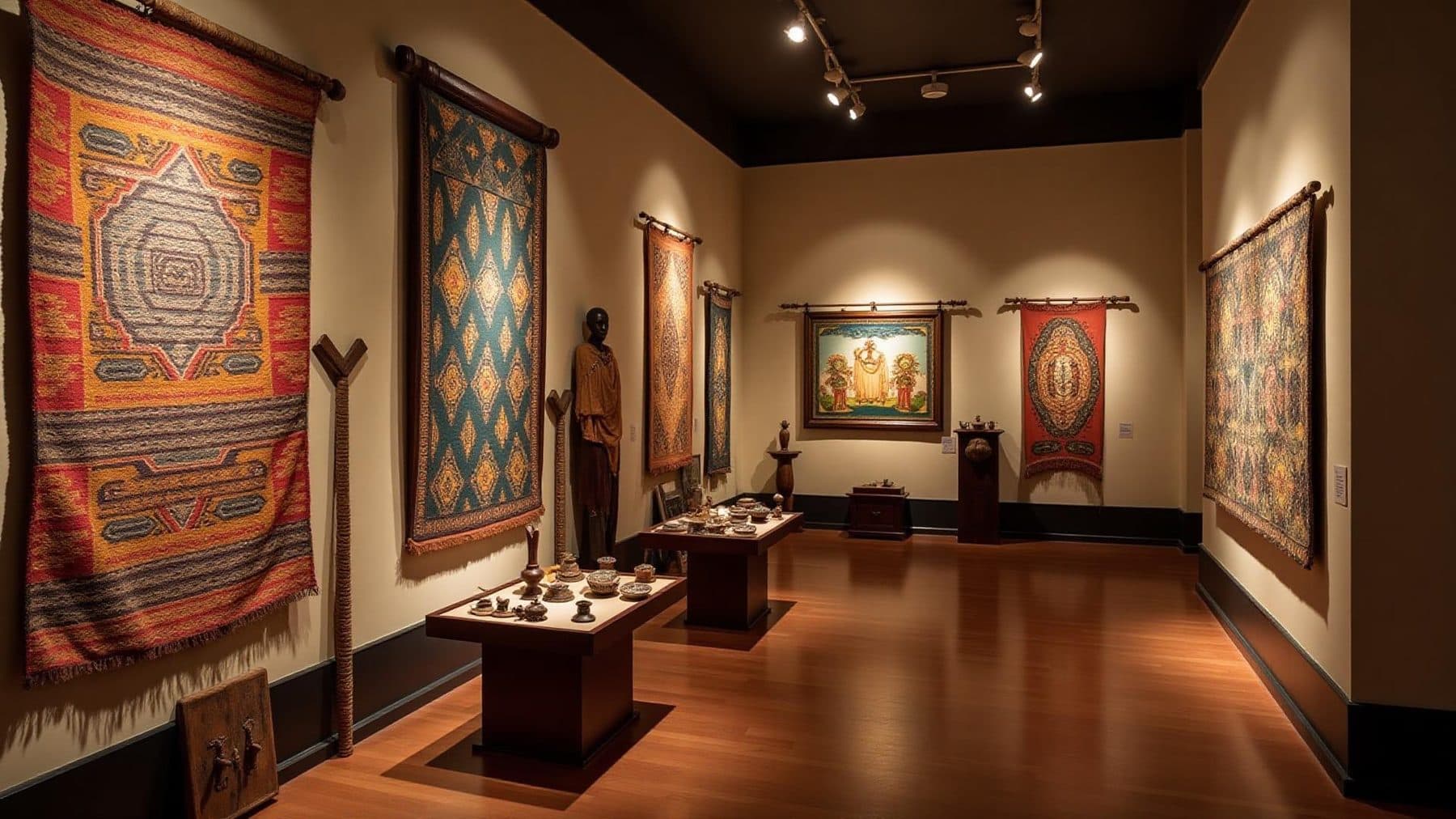
Dakar's cultural year is organised around a few big landmarks: the Dak'Art contemporary art Biennale, the religious and family festivals that shape social life, the seasons that decide when people go out, and the regular programme of galleries, cultural centres and private venues. To follow Ge'eza's own dates, the calendar page offers a subscribable calendar and an .ics file. This article gives the general landmarks, without announcing any date that is not confirmed.
Seasons, the first landmark
Climate decides a lot. The cooler dry season, roughly November to February, is the most pleasant for going out, walking and dining outdoors. A hot period follows, then the hivernage, the rainy season, which usually runs from summer into autumn. Terraces stay open, but downpours can disrupt plans. Our article on Dakar in the rainy season offers ideas for those months.
For open-air events, checking the season before choosing a date avoids disappointment.
The Dak'Art Biennale
The Biennale of Contemporary African Art, Dak'Art, is the city's major contemporary art event. As the name says, it is in principle held every two years. Around the official exhibition, many venues in the city stage parallel shows, which makes the Biennale period especially dense for art lovers.
Dates change from one edition to the next and can be postponed, so always check them on official channels. Our guide to the Biennale gives pointers for preparing a visit.
The festivals that set the rhythm
In Senegal several religious festivals follow the lunar calendar, so their dates shift from year to year. Korité, Tabaski, the Grand Magal of Touba, the Gamou and Tamkharit are among the most widely observed. They affect shop opening, traffic, travel to the holy cities and the availability of craftspeople and suppliers. If you are organising something, look at these dates before fixing your own.
On the Ethiopian side, the country's own calendar has thirteen months and runs several years behind the Gregorian one. A few festivals follow from it: Enkutatash, the New Year, on 11 September, Meskel, the Feast of the Cross, in late September, and Genna and Timkat in January. Our article on the Ethiopian calendar explains the principle.
International and continental days: Africa Day, on 25 May, marks the founding of the Organisation of African Unity in Addis Ababa in 1963, and the Fête de la Musique, on 21 June, is celebrated in many countries.
The steady rhythm of venues
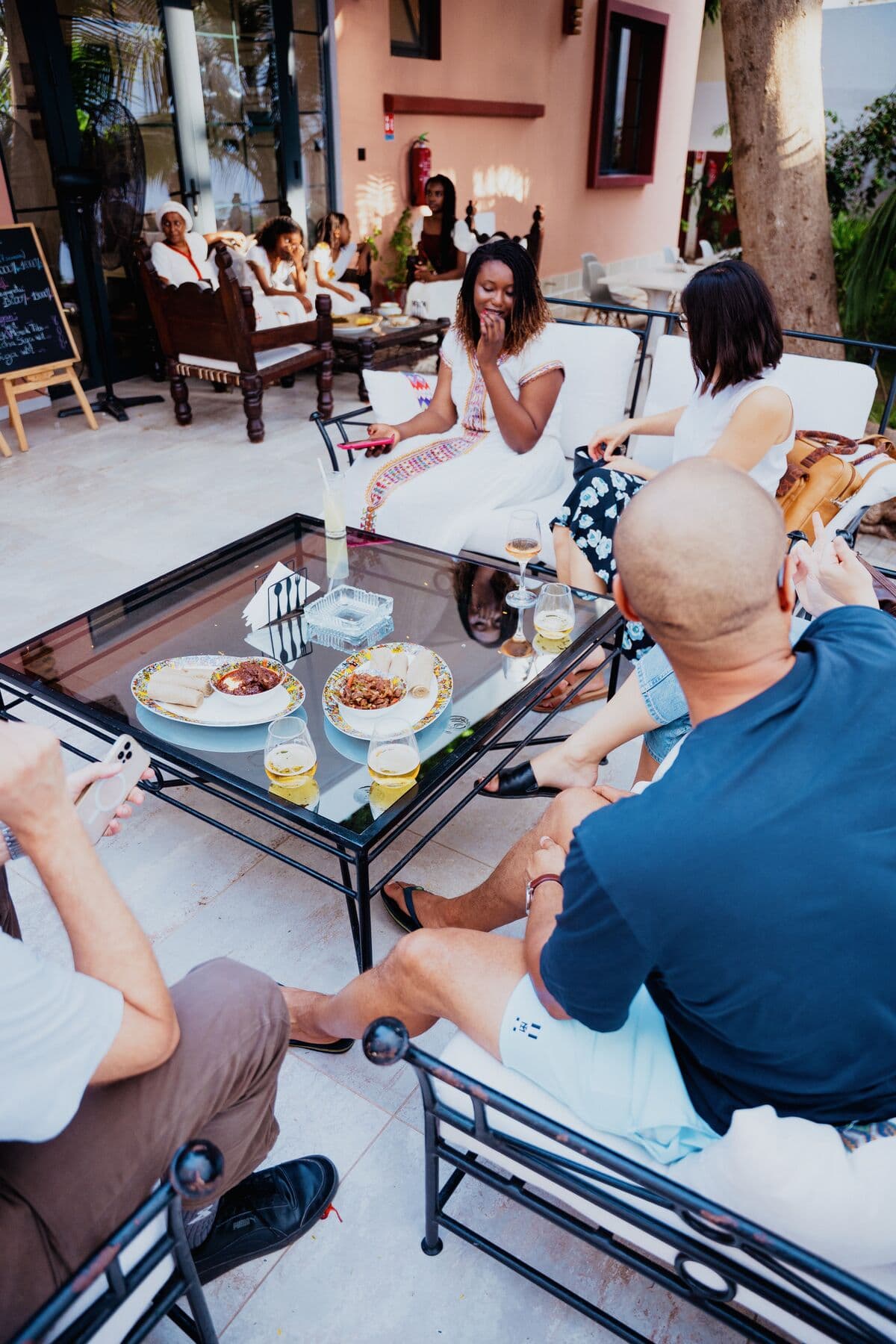
Between the major moments, venues stage exhibitions, openings, concerts, screenings, workshops and themed meals. This steady rhythm is what makes up the city's cultural life. Galleries change their hangings at varying intervals, cultural centres announce their seasons, and private venues offer freer formats.
Ge'eza's dates so far
The house has already hosted several events, which give a sense of its rhythm:
- "Lien commun", a group exhibition presented at the IFAN Théodore Monod Museum from 16 to 31 October 2025.
- Wine Tasting, an Italian wine tasting, on Friday 8 May 2026.
- "Dia Nifanena", a Malagasy day, on Sunday 7 June 2026.
- "A Country in the Spotlight: Cape Verde", from 21 to 30 August 2026, then the edition devoted to Sudan, with a final highlight on Saturday 3 October 2026.
No future event is confirmed as of this article. Upcoming dates appear, once confirmed, on the calendar page.
Following the house calendar
The easiest way is to subscribe to the calendar. The calendar page offers a subscribable calendar and an .ics file: once added to your phone or mail app, new dates appear there. The events page gives the detail of each date. The house's monthly letter completes the picture.
For groups, companies and delegations who want to plan ahead, a direct exchange works better: write on WhatsApp at +221 78 660 07 07 or to geezacultures@gmail.com.
Building your own calendar
A few tips for missing nothing without wearing yourself out:
- Pick two or three reference venues and follow them closely.
- Note the major religious festivals at the start of the year, as they weigh on everything else.
- Book early for group meals in busy periods.
- Leave a free slot: some of the best evenings are the ones you had not planned.
Visiting Ge'eza
The house is open Tuesday to Sunday, 8am to 10pm, at 656 avenue Birago Diop, Point E, and closed on Monday.
Why a shared calendar helps
A calendar you can subscribe to spares you from relying on memory or on a message sent weeks ago. Once added, confirmed dates appear where you already look at your days. For companies organising team meals or visits, it is a simple way to spot busier periods and suggest another date.
It also gives a more honest picture of the year. Cultural life in Dakar is made of long stretches of steady activity punctuated by a few intense weeks, and seeing both at once helps you choose when to invite visitors, when to book a table early and when to enjoy a quieter city.
Frequently asked questions
Where can I find Ge'eza's cultural calendar?
On the calendar page of the site, which offers a subscribable calendar and an .ics file. Only confirmed dates are listed.
When is the Dak'Art Biennale?
In principle every two years, but dates can change, so check official channels.
Do religious festivals have fixed dates?
Many follow the lunar calendar and shift from one year to the next.
Is there a newsletter?
Yes, the house sends a monthly letter with its highlights.