
Guide · 22 October 2026
Corporate Arts Sponsorship in Senegal: The Main Forms
Corporate cultural sponsorship in Senegal: backing an exhibition, buying art for the office, or hosting a cultural event. What a company actually gets from it, and how to approach a Dakar venue.
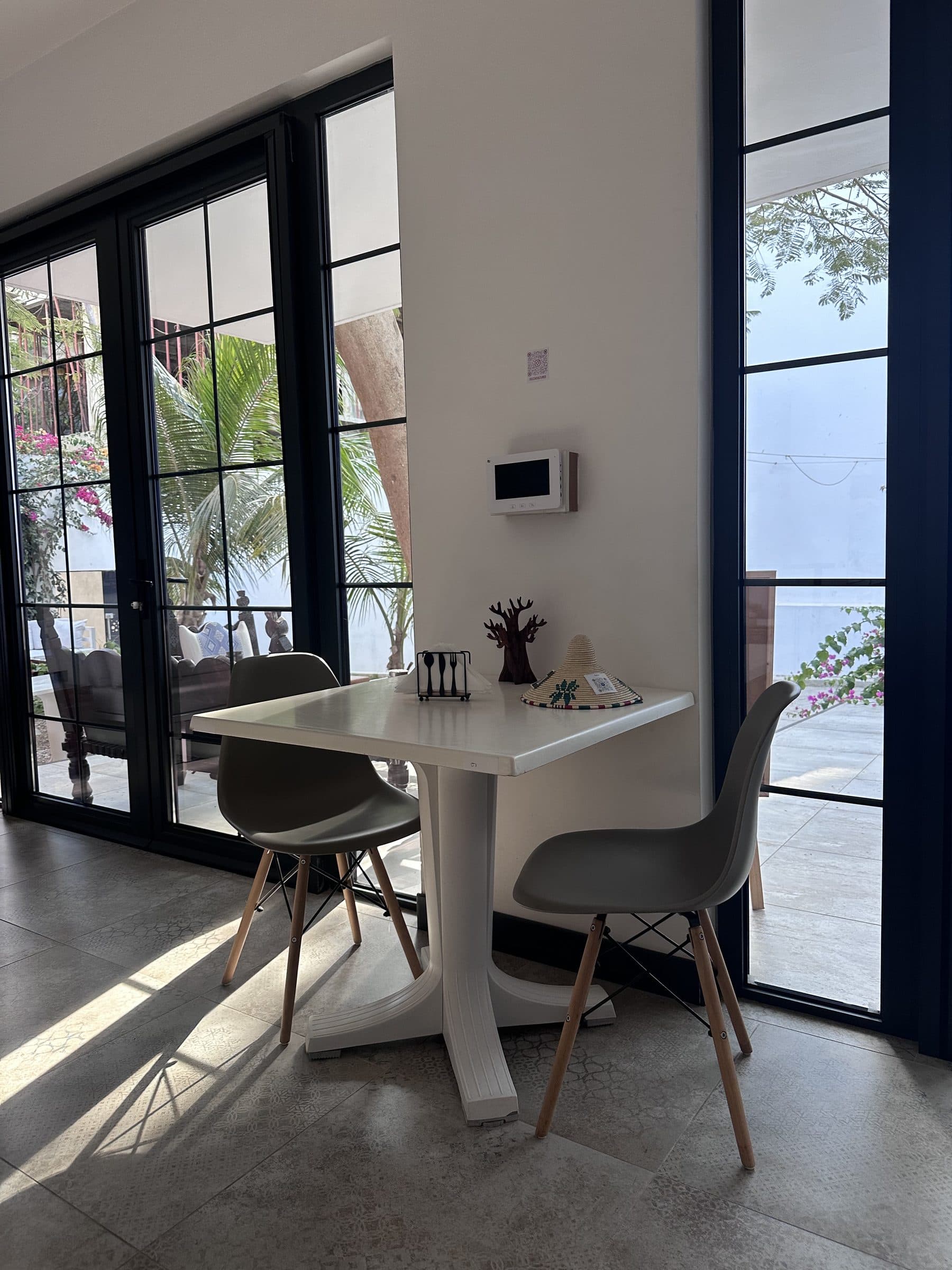
Corporate arts sponsorship in Senegal generally takes one of three forms: backing an exhibition or a cultural event, buying artworks for the company's own spaces, or hosting a corporate event at a cultural venue. The tax treatment of each of these varies and depends on current regulation: check the exact rules with your tax adviser or the relevant authority, rather than assuming a specific benefit in advance.
Backing an exhibition or a cultural event
A company can choose to attach its name to a cultural event, an exhibition or an artistic highlight, by covering part of the organising costs. This form of sponsorship builds the company's image with a culturally minded audience, and can come with a presence at the opening or some visibility during the event. The exact financial and tax terms are negotiated case by case with the event's organiser.
Buying art for the company's spaces
Acquiring contemporary artworks for an office, a reception area or a meeting room is a more direct way of supporting creative work: the company owns the piece outright, keeps it on site, and lets it shape its image. Our article on art for the office in Dakar sets out how to choose a painting suited to a work space, the criteria around format and light, and how buying from a gallery actually works.
Hosting a corporate cultural event
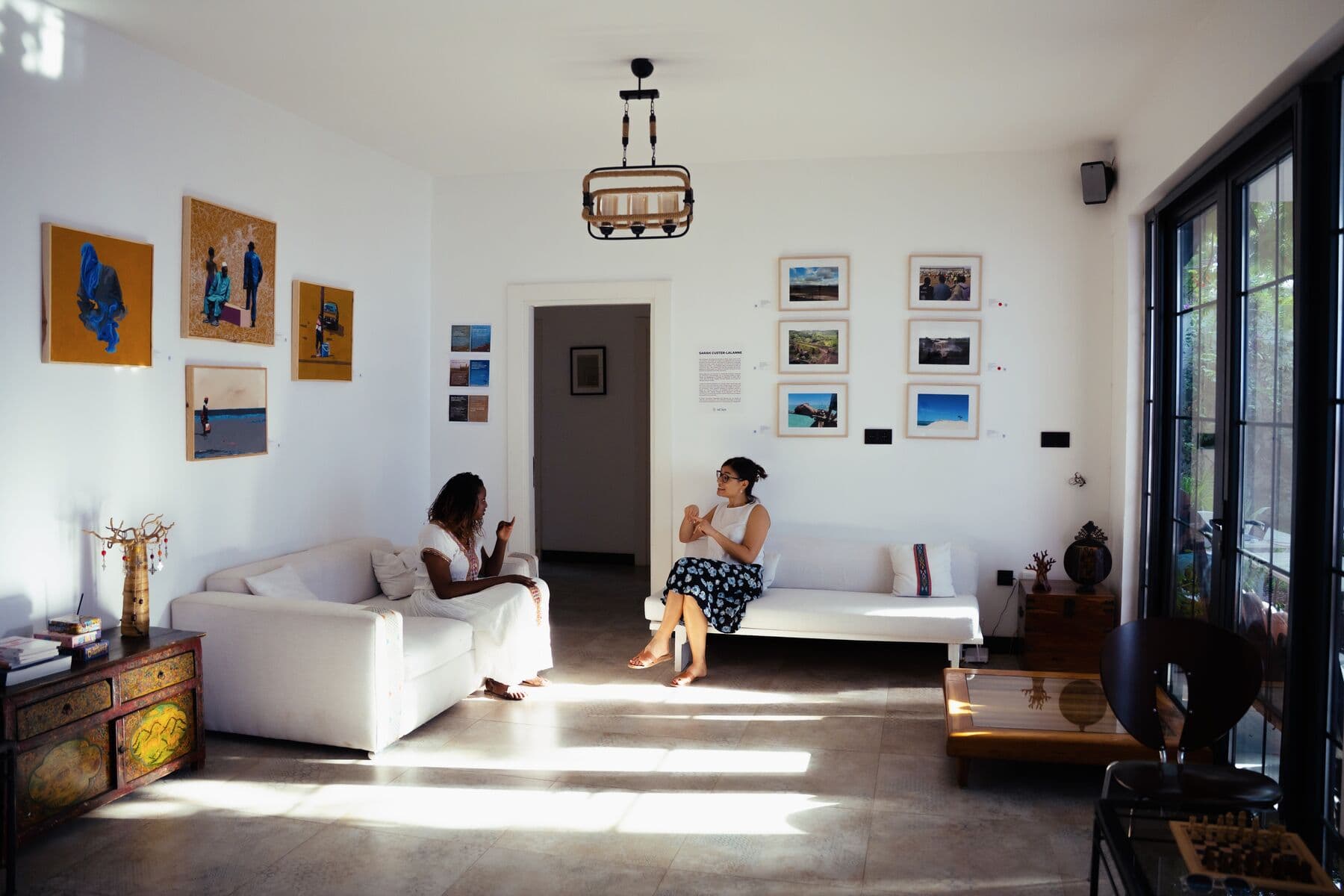
A company can also choose to host its own event at a cultural venue, a product launch, a team lunch or a reception, making the most of the setting and programming rather than a neutral conference room. Our article on launching a product in Dakar describes that kind of format, its steps, and how to get a quote.
Involving teams, not only leadership
Successful cultural sponsorship often goes beyond a decision made at leadership level: bringing teams into the project, through a gallery visit, a creative workshop or an outing built around the supported event, gives the company's commitment a more concrete meaning. Staff tend to remember a shared moment more easily than a line in an annual report, and this kind of outing works well alongside a shared lunch or coffee ceremony.
Choosing one project over another
Faced with the range of possible sponsorship forms, a company does better starting from what genuinely fits it: a creative sector close to its own line of work, a leader's personal connection to art, or a wish to mark a milestone (a company anniversary, a new office, a local launch). Sponsorship chosen for solid reasons is easier to tell a story about, internally and externally, than generic support with no link to the company's identity.
What a company actually gets from it
Beyond image, cultural sponsorship gives a company content to share with its teams and clients: photos from an event, a piece to show visitors, a story to tell about its cultural commitment. It is also a way of building relationships with local artists, galleries and cultural institutions, useful for a company putting down roots in Senegal.
Approaching a venue like Ge'eza
To explore any of these routes in Dakar, the simplest approach is to describe the project directly to the venue: the kind of support envisaged (exhibition, purchase, event), an approximate budget, and a timeline. Ge'eza's spaces page sets out the house's exclusive hire formats, with a reply by quote within 24 business hours.
What no sponsor should expect
Cultural sponsorship guarantees neither specific press coverage, nor a financial return, nor an automatic tax benefit: each tax scheme has its own conditions, to be checked with the relevant authorities before any commitment.
Keeping a record of ongoing support
A company that sponsors culture regularly, rather than around a single event, benefits from keeping a simple record of its past commitments: dates, projects supported, photos, feedback from teams. That record makes it easier to decide on a new project, and gives the company's approach visible consistency with its cultural partners from one year to the next.
Starting with a modest first step
A company new to cultural sponsorship does not need to commit to a large programme from the outset. Supporting a single evening, acquiring one piece, or hosting one small gathering is often enough to test how the approach fits the company's culture, before deciding whether to make it a recurring part of its activity.
Taking it further
A company planning a cultural sponsorship project or an event at Ge'eza can write through the spaces page, on WhatsApp at +221 78 660 07 07, or at geezacultures@gmail.com.
Frequently asked questions
What forms does corporate arts sponsorship take in Senegal?
Three main forms: backing an exhibition or cultural event, buying artworks for company spaces, or hosting a corporate event at a cultural venue.
Does cultural sponsorship come with a tax benefit?
Rules vary depending on current regulation. Check the exact scheme with your tax adviser or the relevant authority before any commitment.
How can a company buy artworks for its offices?
By approaching a gallery directly, which advises on the format and subject suited to a work space, with a certificate of authenticity for each piece acquired.
How do I host a corporate event at a cultural venue in Dakar?
By describing the project to the venue: event type, an approximate number of guests, a timeline. The venue replies with a quote, with no capacity or pricing published in advance.