
Question · 6 October 2026
Certificate of Authenticity for an Artwork: What It Is For
A certificate of authenticity states that a work is by the named artist. What it should contain, why it matters for resale, insurance and transport, and the one Ge'eza provides, signed by the artist.
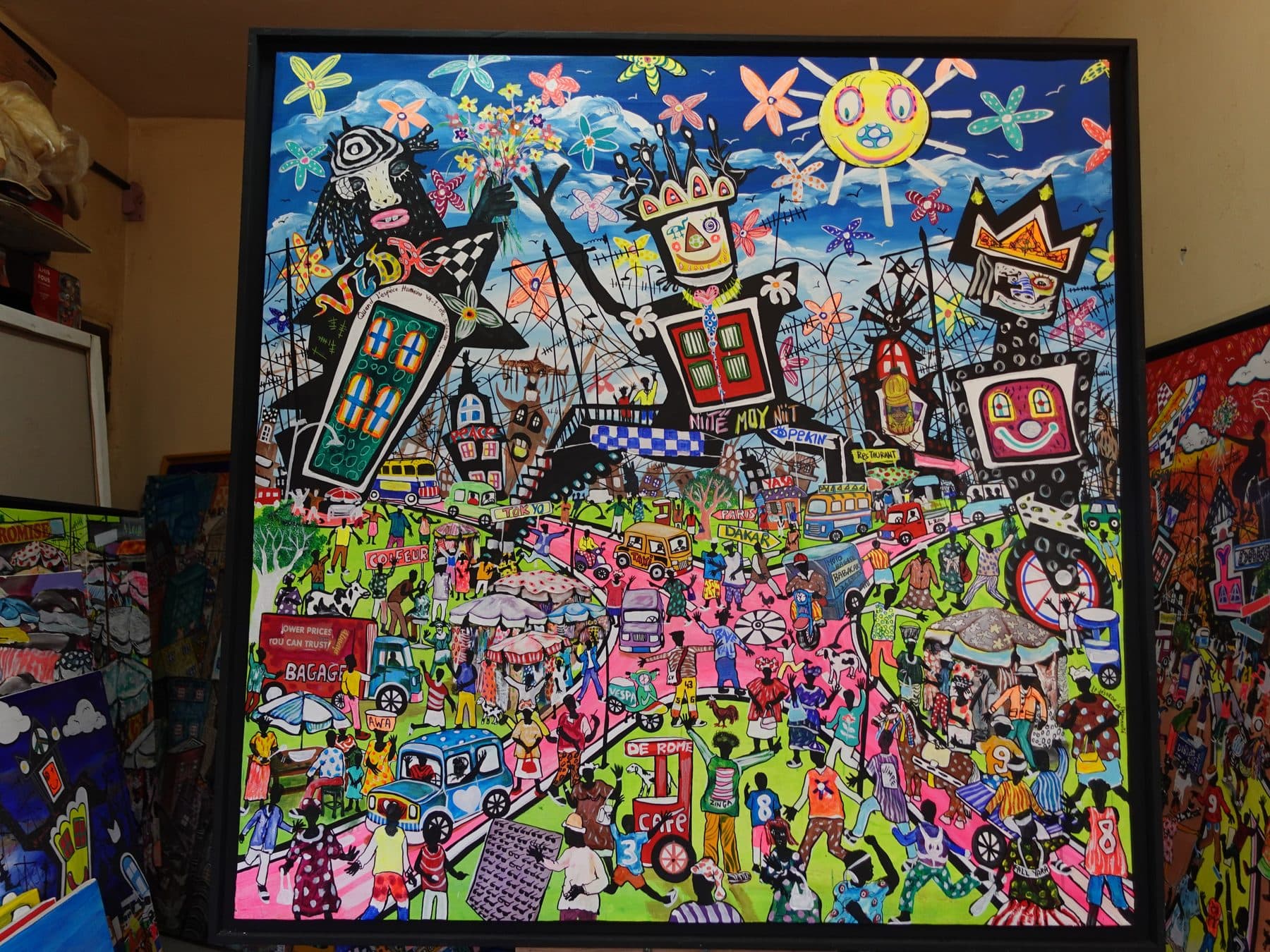
A certificate of authenticity is a document stating that an artwork is by the named artist. It identifies the work, ties it to its maker and follows the buyer through the life of the piece, for resale, insurance or transport. At Ge'eza, every work sold leaves with a certificate of authenticity signed by the artist.
What a certificate should contain
There is no single template, but a good certificate generally includes:
- the artist's name, written unambiguously;
- the title of the work and its year of creation;
- the technique and support, for example oil on canvas or mixed media on canvas;
- the dimensions;
- an image of the work, so it can be recognised without doubt;
- the signature of the artist (or of their rights holder), and the date of issue;
- the name of the seller or gallery, which allows the origin of the sale to be traced.
If the piece belongs to a series or an edition, the number should appear too. The more precise the document, the more useful it is.
Why it matters
For resale. A collector or gallery taking back a work will want to know where it comes from and who made it. The certificate answers those questions and eases trust between seller and buyer.
For insurance. An insurer asks for elements to value and identify an item. The certificate, with the invoice and photographs, forms a solid file in case of damage or loss.
For transport and customs. When a work travels from one country to another, it is common to have to justify its nature and provenance. Rules differ between countries and change over time, so check with the relevant authorities before departure. Keeping the certificate and invoice with the work often smooths the process.
What a certificate does not replace
A certificate is not proof in itself, it is one link in a chain. Its value depends largely on who issues it. A document signed by the artist, handed over by a gallery that knows their work, is a good marker. Also keep the invoice, your exchanges with the seller and, if possible, a few photographs of the work on delivery.
Be wary of documents without a name, a date or a precise description: they protect very little.
The certificate at Ge'eza
The gallery provides a certificate of authenticity signed by the artist with every work sold. Payment is by Wave, Orange Money, bank card or on site, and the work is collected in Point E or shipped outside Dakar on a quote. Prices are given on request. To see the pieces on show, go to the gallery page. If you are planning a first purchase, the guide to buying contemporary art in Dakar will help you frame your questions.
Frequently asked questions
Is a certificate of authenticity compulsory?
It is not always required, but it is strongly recommended. It protects the buyer and eases resale, insurance and transport.
Who should sign the certificate?
Ideally the artist, or their rights holder. That is what Ge'eza does, with a certificate signed by the artist.
What if I lose the certificate?
Contact the gallery that sold you the work to find out what is possible. Always keep a digital copy of the document.